
Introduction — a shop floor scene, some numbers, and one question
I remember standing by a lathe as chips flew and a foreman laughed — the kind of small scene that tells you a lot. CNC lathe manufacturers line the industrial zones here, and I’ve watched their shops change from noisy manual mills to tidy automated cells. Recent trade data shows a steady 6–8% yearly growth in exported machine tools (that’s not small, right?), yet many shops still miss delivery targets and scrap rates stay higher than they should. So why does a facility with modern gear still struggle to hit repeatable quality and uptime?
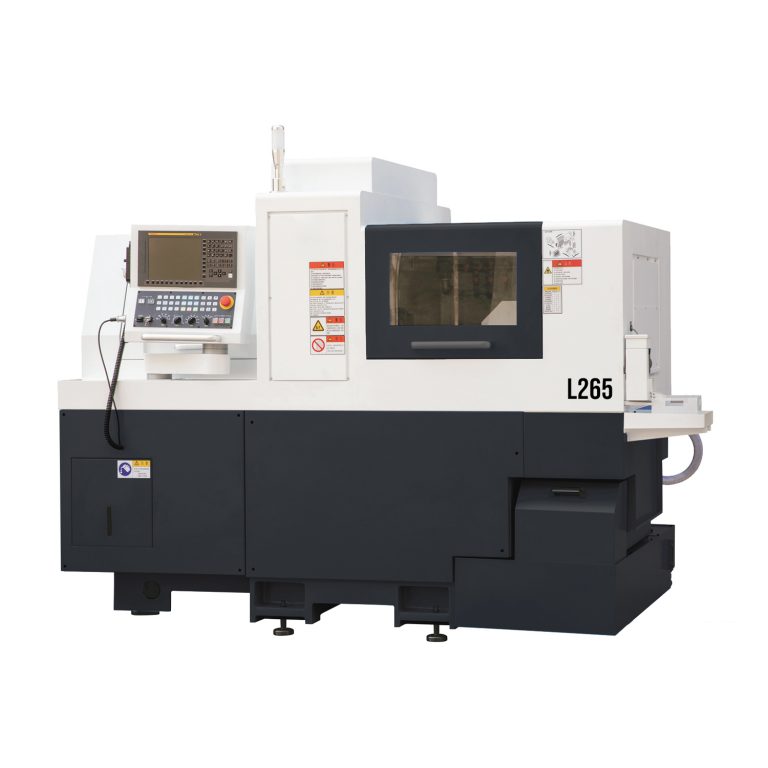
I ask this because I’ve been on shift with operators, and I’ve sat in meetings where managers blamed software or operators. We need to peel this back — step by step — to see what really trips teams up. Let’s move into the nuts and bolts next and look under the hood.
Deeper layer: where traditional fixes break down
When we talk about a lathe cnc machine, people first think of sturdy cast beds, spindles, and tool turrets. But old-school fixes — more coolant, faster feed, repeat clamp tricks — hide bigger problems. From my view, the most common failure is treating symptoms, not causes. Backlash and spindle runout show up as part rejects. Teams tune offsets to mask the issue. That works for a while. Then throughput drops again. Look, it’s simpler than you think: masking a fault buys time but increases variability.
Why do tried-and-true band-aids fail?
Technically, the root causes often span mechanical wear, poor tool life management, and control tuning. A worn spindle shows up as vibration; an old servo motor may drift under thermal load; G-code subroutines can be brittle across part variants. Operators learn clever workarounds. I’ve seen shops program slower cycles to avoid chatter — yes, it reduces scrap, but it also kills productivity. What’s worse, those tweaks rarely get documented properly. So the next shift repeats the same adjustments without understanding why. The result: more downtime, hidden costs, and frustrated people — and that’s the real pain point.
Forward-looking: principles for the next wave of CNC lathe machines
OK — let’s talk principles, because I want to be practical. Modern fixes should combine better sensing, smarter control, and clearer work practice. A next-gen cnc lathe machine isn’t just faster. It uses condition monitoring, integrates a smarter CNC controller, and supports predictable tool change routines. That means adding few sensors (vibration, spindle temp), improving the PLC/CNC link, and enforcing tool life records. I’ve seen shops cut scrap by a third by doing just that — simple investments, big returns. — funny how that works, right?
What’s next for shop floors?
Think of it like a checklist: measure more, react faster, document always. We should test for spindle health during warm-up cycles, log tool wear automatically, and version-control G-code for every part. Case studies show that shops adopting these principles improve first-pass yield and reduce cycle time variability. If you want to evaluate systems, here are three practical metrics I use when advising teams: 1) Mean time between unplanned stops, 2) First-pass yield percentage, 3) Tool cost per finished part. Use them together — not alone — to see real change. I’m convinced these metrics tell a true story about capability and readiness.

To wrap, I’ll say this plainly: you can keep paper tricks and hope for the best, or you can modernize the fault-finding process and rescue margins. We’ve helped people choose the latter, and the payoff shows up on the floor and on the invoices. For reliable machines and real support, check Leichman.