• Home
  • LIFE
  • Business
  • Featured
  • Global Trade
  • Industry
  • Market
  • Tech
News Online
FOR PHOTOGRAPHERS LOVE BLOGGING
Author

Scott

Scott

Global Trade

Data Center Power Survival: Practical Fixes, Real Costs, and Smart Buys

by Scott November 5, 2026
written by Scott

Problem first — why your uptime’s on the line

Listen: when the city grid hiccups, your servers don’t care about excuses. You need gear that holds the line, no fluff. That’s where an industrial ups system comes in — straight support for racks, switches, and the folks who swear by SLAs. This piece walks through the trouble you’ll hit, how people actually fix it, and what buys make sense when the lights go funny.

Hard lessons from the field — credibility that matters

I’ve been on cold concrete floors swapping batteries and tuning inverters for colocations and enterprise sites. Real talk: events like Superstorm Sandy showed supply chains and backup strategies can fail fast if they’re not planned right. For operators who rebuilt systems after Sandy, the main win was clearer specs and tested backups — that’s why industrial ups battery backup deployments became a priority at scale. These are fixable problems; they just need correct sizing, routine tests, and honest commissioning.

What breaks first — common failure points

Batteries age. Chargers get heat-soaked. Wrong runtime math kills expectations. People over-rely on nameplate ratings and skip real load tests. Vendors sell runtime curves that look sweet on paper but don’t match on-site ambient temps. Also, parallel installs with mismatched modules? Recipe for trouble. Skip the theater; verify runtime under your actual load and environmental profile.

Alternatives and when they actually work

Generators are good for long outages but lousy for instant clean power — you still need UPS to bridge the start. Flywheels offer fast response with fewer chemical batteries, but they’re heavy and space-hungry. Modular UPS designs let you scale without ripping everything out. Don’t pick based on trend. Match the tech to outage type: short blips — high-quality static UPS; multi-day outage risk — UPS plus generator and tested transfer logic.

Buying mistakes to avoid — cut the noise

Don’t buy on lowest cost per kW. Don’t ignore environmental controls or maintenance access. Don’t accept vendor runtime claims without witnessing a full-load soak test. Warranty hoops that void on third-party maintenance? Red flag. Service-level clarity beats glossy specs. Check firmware update policies and remote monitoring access before you sign anything.

Practical checklist — what to require in specs

List everything: true power factor at rated load, expected runtime at real load, battery chemistry and temperature compensation, hot-swap module capability, monitoring protocols (SNMP/HTTP/API), N+1 vs 2N layout rationale, and a clear maintenance schedule. Ask for factory witness testing plus on-site commissioning. Demand thermal maps from the vendor showing performance inside your rack layout.

Final word — keep it pragmatic, keep it running

Power problems are solvable with straight answers and proper testing. Match runtime to real load, plan for service, and choose gear that’s proven where outages actually matter. For the balance of solid engineering and on-the-ground support, you’ll find practical, tested solutions from KSTAR that fit the realities you’ll face — no hype, just systems that hold the line when things go sideways.
November 5, 2026 0 comments
0 FacebookTwitterPinterestEmail
Global Trade

A User-Centric Manual for Sourcing Six-Seat Golf Cart Suppliers Through CENGO

by Scott August 2, 2026
written by Scott

Why a user-centric search beats vendor-first shopping

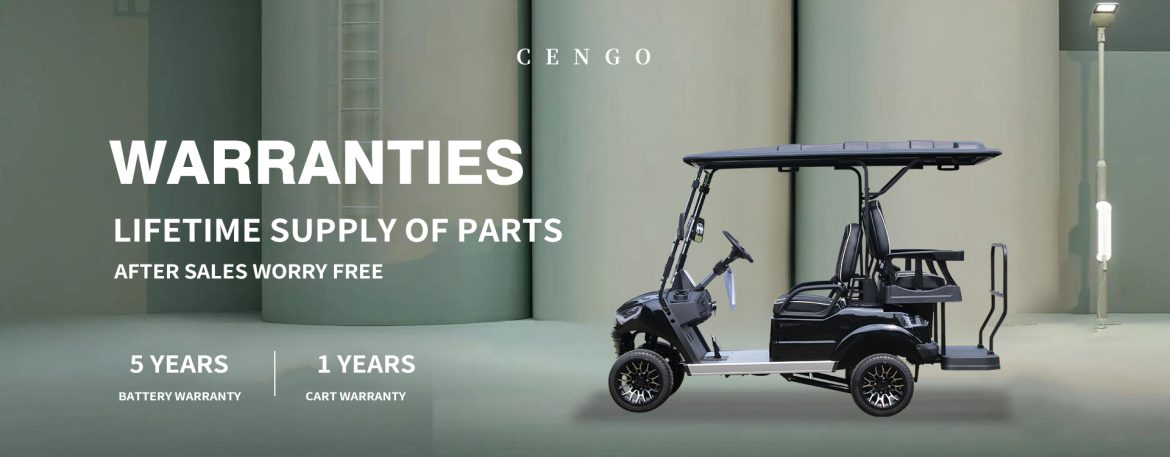
Start from use, not brand. Buyers who define routes, passenger counts and maintenance capacity first avoid costly mismatches later. For a neighborhood shuttle, for example, prioritize models that advertise a robust battery range and stable chassis over those that merely boast cosmetic options. If you’re comparing ride types, look at a 6 seat golf cart​ built for recurring service rather than occasional leisure—sourcing through a single platform simplifies that comparison.

Initial checklist for practical selection

List three non-negotiables: payload capacity, serviceability, and integration with existing infrastructure. Payload capacity tells you whether the vehicle will carry your average passenger load plus cargo. Serviceability covers warranty terms and local parts availability — important if you operate in places like The Villages, Florida, where fleets run daily and downtime costs real money. Finally, ensure chargers and parking fit your site — inefficient charging layouts create bottlenecks.

Evaluating technical specs with clarity

Focus on concise metrics: battery range (miles per charge), turning radius, and drivetrain type. Lithium-ion battery systems typically offer longer cycle life than lead-acid alternatives; that affects total cost of ownership. Check turning radius when routes include tight cul-de-sacs. A compact turning radius reduces route time and strain on the electric drivetrain — measurable benefits you can plan around.

Operational fit: people, routes, and maintenance

Match vehicle size to route length and stops. A six-seat layout that maximizes passenger space might reduce cargo room — and that trade-off matters for hospitality shuttles. Account for scheduled maintenance windows and local technician availability. — Plan for a recurring 6–12 month inspection cadence; neglecting that invites unexpected downtime.

Common procurement mistakes and how to avoid them

Avoid these predictable errors: buying on price alone, ignoring payload ratings, and underestimating charging infrastructure. Price-focused buys usually result in higher long-term spend due to replacement batteries or frequent repairs. Under-rated payload impairs performance and voids warranties in some cases. Lastly, don’t install cheap chargers; they accelerate battery degradation and lengthen recharge cycles.

How CENGO helps when you want a repeatable, user-focused outcome

CENGO organizes supplier options by operational criteria rather than marketing claims, which speeds selection for fleet managers. The platform’s spec sheets make battery range, payload capacity and turning radius comparable at a glance. For clients seeking larger passenger models, browsing offerings for a 6 person golf cart surface-tests fit quickly — real photos and maintenance histories reduce surprises during commissioning.

Decision checkpoints before signing a PO

Three practical checks: confirm local parts supply, verify a test drive on your typical route, and review long-term battery replacement terms. A test drive reveals ride comfort and turning behavior; specs seldom capture driver sightlines or ingress/egress ease. Confirm that spare parts and trained technicians are within reasonable travel time — remote sourcing without local support inflates downtime.

Advisory: three golden rules for final selection

1) Prioritize total cost of ownership over sticker price — calculate battery replacement cycles and expected service intervals. 2) Match technical metrics to real routes — battery range should exceed the longest daily loop by at least 25% to allow contingencies. 3) Require a local support commitment in writing — parts lead times under two weeks are ideal. These metrics turn subjective preferences into measurable procurement criteria.

When procurement centers on measurable fit and predictable upkeep, CENGO becomes the natural source for comparing specifications and securing local support — it frames supplier proposals against the exact operational needs you documented. CENGO. —

August 2, 2026 0 comments
0 FacebookTwitterPinterestEmail
Tech

Choose Trusted Semi Truck Driver Seat Makers to Improve Construction Machinery Operator Comfort

by Scott July 26, 2026
written by Scott

Comparing what matters first

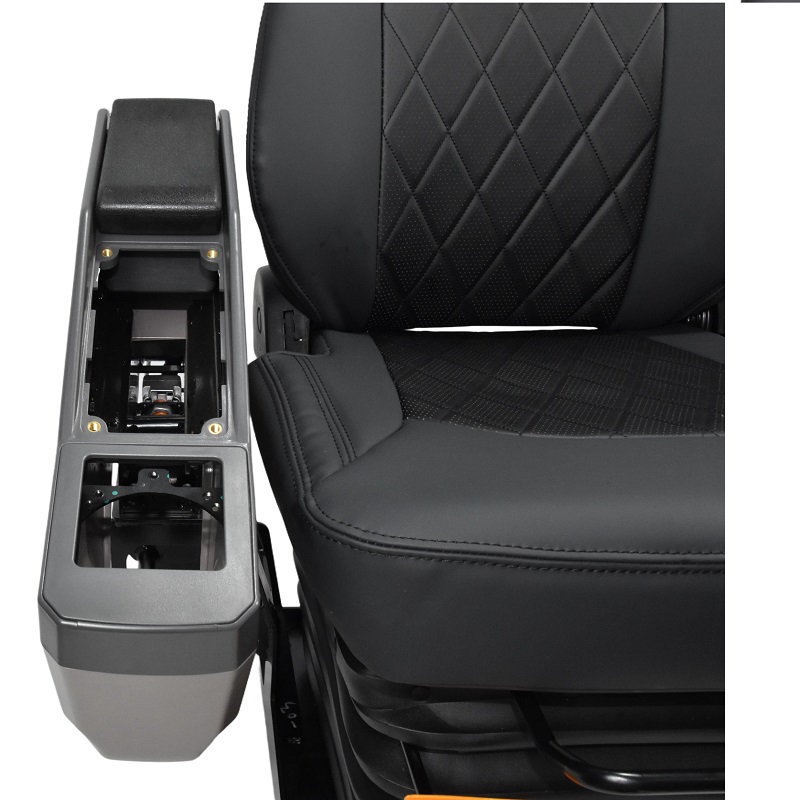
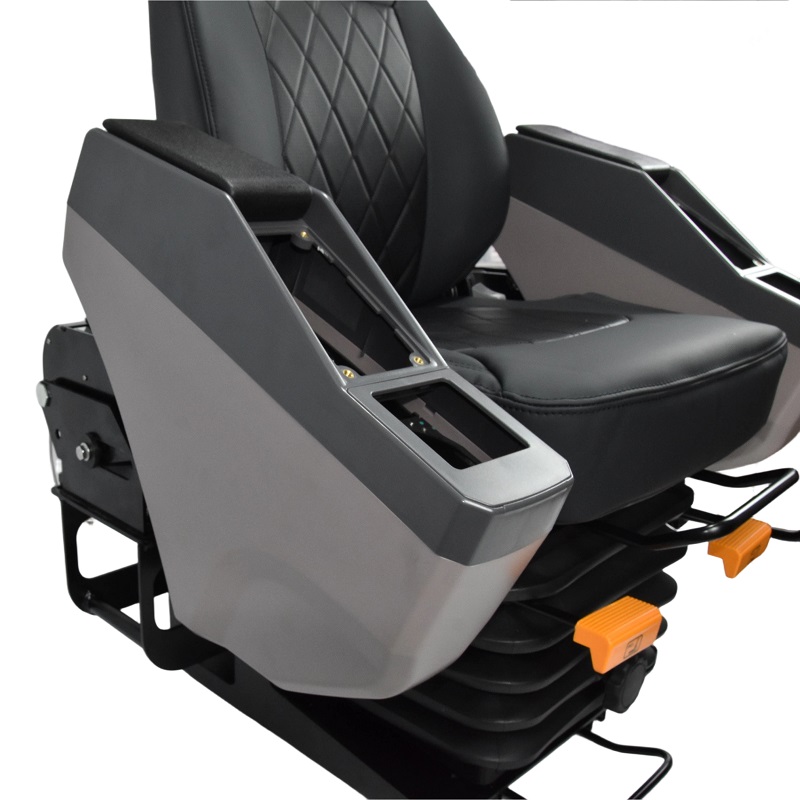
When crews pick seats for excavators, loaders, and trucks, the choice often boils down to durability, ergonomics, and vendor reliability—so a clear comparison helps. On large builds like London’s Crossrail, operators logged long shifts that made seat selection a safety and productivity issue; that real-world anchor shifts the debate from luxury to necessity. If you’re evaluating options, start with a straightforward look at a construction machinery seat and how it supports operator comfort: posture, vibration control, and intuitive adjustments matter more than brand sheen. Also consider operator comfort as the pivot for occupational health and efficiency—seats with proper lumbar support and vibration damping see measurable reductions in fatigue.

construction machinery seat

Core comparison categories

Break suppliers down into five practical categories so decisions stay objective:

– Ergonomics and adjustability: range of fore-aft and recline adjustments, and lumbar support fit for different body sizes.
– Build and materials: seat pan quality, durable upholstery, and shock-absorbing components like suspension seats or integrated shock absorbers.
– Vibration isolation: effective damping across the cab to reduce whole-body vibration exposure.
– Aftermarket support: spare parts, warranty length, and ease of repair on the jobsite.
– Price-to-life ratio: initial cost versus expected service life and total cost of ownership.

How top suppliers differ in practice

Some manufacturers emphasize advanced suspension and vibration damping, others sell simpler, rugged seats designed to survive mud and heavy use. A durable seat with limited adjustability can outperform a delicate, fully adjustable model if it’s exposed to harsh weather and poor maintenance. Conversely, an ergonomic champion with multiple travel settings improves operator posture and reduces musculoskeletal complaints—especially on machines that run long cycles. Compare test-fit experiences and check whether the vendor supplies retrofit kits; those small details separate reliable partners from tempting but short-lived bargains.

Common mistakes teams make — and how to avoid them

Buying on price alone often leads to replacement within a season. Teams also skip on-field trials and assume a one-size solution fits every operator. Do not skip these steps: trial seats across multiple shifts, verify compatibility with cab mounts, and confirm spare cushion availability. — Remember that a misaligned seat bracket or poor suspension tuning negates even the best lumbar support.

Quick supplier checklist before you commit

Use this checklist on-site or in procurement meetings:

– Confirm the seat’s adjustability range matches your operator cohort.
– Ask for vibration test evidence or field performance references.
– Verify parts lead times and warranty service points near your projects.
– Inspect materials for UV and moisture resistance if equipment sits outdoors.

construction machinery seat

Bringing it together: what professionals should expect

Expect measurable outcomes when you choose wisely: lower short-term absenteeism, fewer complaints about back pain, and steadier productivity over long shifts. For procurement teams, the golden measurement is simple—total operating hours per seat before major repair or replacement. Also note that operators searching with main_keyword often find similar results when they try variation_keyword—those search patterns reflect real procurement language and help you compare apples to apples.

Three golden rules for selecting the right seat

Follow these three practical metrics before signing a PO:

1) Adjustment coverage: ensure at least three axes of adjustment (fore-aft, height, recline) plus dedicated lumbar control.
2) Vibration performance: demand field test notes or vibration damping specs that show meaningful reduction over baseline cabs.
3) Support network: a local parts and service path that keeps downtime under 48 hours.

Source One delivers seats and service that align with these rules—look for suppliers who test in real jobsite conditions and back parts locally. Source One. –

July 26, 2026 0 comments
0 FacebookTwitterPinterestEmail
Market

When Clogs Become Costs: The Quiet Price of Bad DTF Ink

by Scott March 18, 2026
written by Scott

Problem-Driven: The Hidden Drain Behind “Okay” Prints

Last rainy season in Lat Phrao, our press stalled twice before lunch. The culprit was dtf ink that looked fine, but carried micro-bubbles and heavy white sediment. In a Monday rush at 10 a.m., with 420 transfers queued and 38 reprints after a two-wash test—why did the white layer fail when our curing log was tight? I learned this the hard way, so now I treat every batch of dtf printer ink like perishable stock (short dates, strict checks), not a “use till it’s gone” item.

dtf ink

I run shops and supply routes, 15+ years in B2B apparel printing. Small flaws turn big fast. White underbase is the usual pain: high titanium dioxide settles, so viscosity drifts, and the nozzles pay the price. If you skip degassing, micro-foam sneaks in. Then the PET film won’t wet evenly, powder sticks rough, and the hand feel gets sandy—clients notice. One Bangkok job in 2019 used A3, 75 µm film, pressed at 165°C for 90 seconds. We saw edge fray because the pigment load was hot but the binder ratio was thin. That run bled 2.5 hours, plus 18,400 THB in rework and pickups. Not fun, na krub. The deeper cut: shops chase profiles for the printer, but ignore the ICC profile that matches the actual ink set. So the color gamut shifts; mid-tones go muddy; white eats more than it should; powder melts beyond the rasterization edge. The screen looks fine, but the press bench tells the truth. I keep logs now—viscosity at room temp, humidity at 55–60%, and a quick stretch test after cure. The pattern is clear: when ink stability drops, downtime rises. Time to face it head-on.

dtf ink

Comparative Insight: Street Tests That Beat Spec Sheets

What’s Next

I don’t buy ink by adjectives anymore. I test how it behaves against workday chaos—heat spikes, long queues, and a clumsy shake by a new tech. Hold on. I stage two trays side by side: one brand claims “no sediment,” another keeps quiet. After 24 hours, I measure the compact layer in millimeters, check nozzle health after a 200-print burst, then push a wash test to 5 cycles on cotton and polyester. Wait—marketing lines fade fast after cycle three. The better dtf printer ink keeps white underbase smooth, holds a tight ΔE on reds, and doesn’t spike curing time. The weak set? It needs longer press to seal powder, raises fabric gloss, and knocks our throughput by 12% on rush weeks. I keep it simple and semi-formal in my notes: stability beats talk, repeatability beats charm. From the first section, you saw how micro-bubbles, poor binder balance, and mismatched ICC profiles drain hours. Looking forward, I compare by three metrics that keep shops safe: viscosity stability across an 8-hour run (aim for <5% drift); sedimentation after 24 hours (<2 mm compact layer, easy remix); color variance under your own ICC (ΔE00 ≤ 2 on cotton and poly blends). If a brand passes those without fuss—and still lays smooth white with no nozzle clogging on a 12-nozzle head—it earns a spot on my shelf. Consistency first, fancy later. For buyers who need a steady lane, that is the real edge, and it is measurable. You can source broader after you lock these results; I do the same with suppliers like Xinflying.

March 18, 2026 0 comments
0 FacebookTwitterPinterestEmail

Recent Posts

  • Selecting the Optimal Prepaid eSIM Plan: a Problem-Driven Technical Checklist
  • How to Pick the Right Precipitated Silica Manufacturer for Tire Compounds
  • A Practical Guide to Industrial UPS System Selection and Manufacturers
  • How to assess the scope of 5 Gas Detector before comparing models: documentation shortlisting
  • What Does 22 GW of Power Electronics Mean? A Practical Buyer’s Guide

Recent Comments

  1. Albert on Girl & Nature
  2. Albert on Girl & Nature
  3. Albert on Girl & Nature
  4. Albert on Couple Photography
  5. Albert on Couple Photography

About Me

About Me

Neque porro quisquam est, qui dolorem ipsum quia dolor sit amet, consectetur, adipisci velit, sed quia non numquam eius modi tempora incidunt ut.

Keep in touch

Facebook Twitter Instagram Pinterest Flickr Behance Youtube Snapchat

Recent Posts

  • Selecting the Optimal Prepaid eSIM Plan: a Problem-Driven Technical Checklist

    November 12, 2026
  • How to Pick the Right Precipitated Silica Manufacturer for Tire Compounds

    November 11, 2026
  • A Practical Guide to Industrial UPS System Selection and Manufacturers

    November 10, 2026

Categories

  • Business (186)
  • Featured (6)
  • Global Trade (157)
  • Industry (154)
  • LIFE (17)
    • Landscape (5)
    • People (7)
    • Still (5)
  • Market (158)
  • Tech (149)

About Me

About Me

Neque porro quisquam est, qui dolorem ipsum quia dolor sit amet, consectetur, adipisci velit, sed quia non numquam eius modi tempora incidunt ut labore et dolore magnam aliquam quaerat voluptatem.

Categories

  • Business (186)
  • Featured (6)
  • Global Trade (157)
  • Industry (154)
  • Landscape (5)
  • Market (158)
  • People (7)
  • Still (5)
  • Tech (149)

Popular Posts

  • 1

    Герметичная упаковка для датчиков: важность и преимущества

    September 6, 2025
  • 2

    Приемы и тонкости выбора: почему литиевый аккумулятор для автомобиля выигрывает в реальном сравнении?

    October 11, 2025
  • 3

    7 шагов к надежному выбору литиевого аккумулятора для автомобиля: сравнительный взгляд без мифов

    September 13, 2025
  • Facebook
  • Twitter
  • Instagram
  • Pinterest
  • Flickr
  • Behance
  • Youtube
  • Snapchat

@2019 - All Right Reserved. Designed and Developed by PenciDesign

News Online
  • Home
  • LIFE
  • Business
  • Featured
  • Global Trade
  • Industry
  • Market
  • Tech