
Framing the problem: distributed sensing at scale
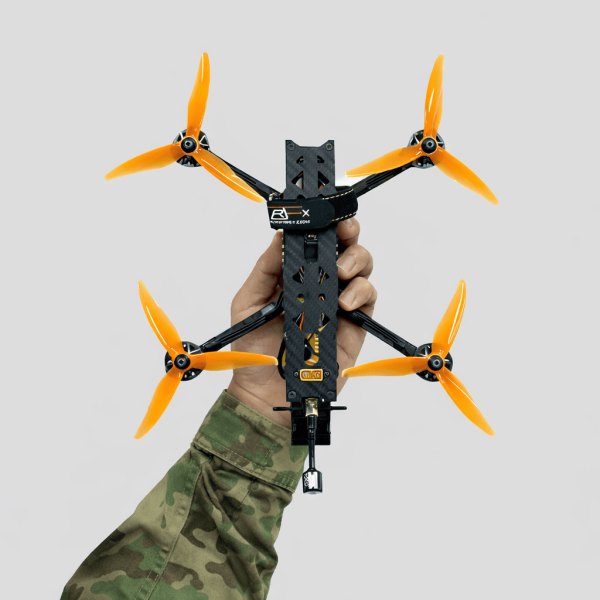
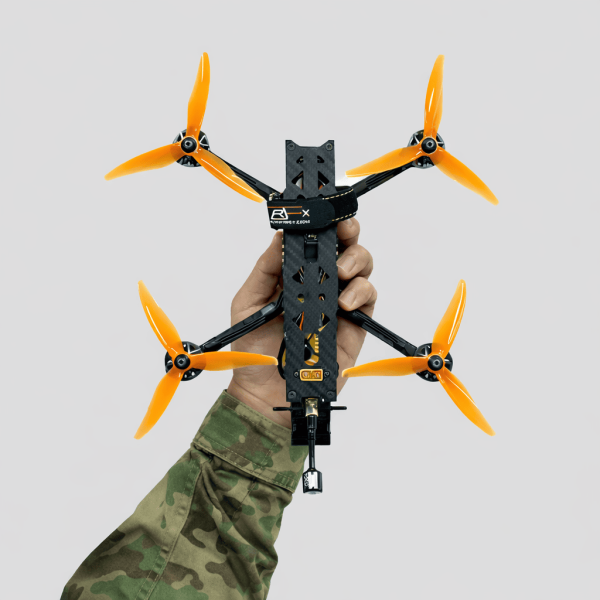
The operational challenge is simple and urgent: how to stitch disparate sensors into a coherent, low‑latency picture that survives contested networks. That problem drives architecture more than features. Effective distributed C4ISR requires predictable data flow, resilient edge processing, and tight sensor fusion—capabilities designers borrow mentally from premium night‑vision thermal fusion goggles. Those goggles demonstrate a compact stack for acquisition, real‑time fusion, and human display; the same principles guide scalable ISR fabrics, and they align with platforms like military drones for sale used as distributed sensors in modern theaters such as Mosul (2016–17), where combined ISR assets made tactical sense of cluttered urban environments.
Core parallel: sensor-to-display as a micro‑architecture
Think of each goggle as a micro‑node: EO/IR sensors feed a fusion engine, an edge processor runs inferencing, and a tight UI presents actionable cues. In distributed C4ISR, each platform—drone, vehicle, or forward post—must mirror that micro‑architecture. Design prescriptions: standardize sensor interfaces, enforce minimal preprocessing at the edge, and adopt a common data model so fusion services can merge feeds without bespoke adapters. This reduces integration friction and keeps pipelines deterministic.
Data fabric and edge compute: tradeoffs that scale
Latency and bandwidth are the governing constraints. Edge compute reduces backhaul by converting raw imagery into events or vectorized targets. Use tactical datalink patterns that prioritize metadata and thumbnails over full‑bandwidth streams. Where EO/IR imagery is essential, compress selectively and prioritize transport using quality‑of‑service tiers. These tactics maintain ISR persistence while keeping network load predictable—an essential quality for scaled deployments.
Sensor fusion: algorithms, trust, and human‑in‑the‑loop
Sensor fusion is more than math; it’s trust management. Fusion engines must signal confidence, provenance, and time synchronization. Design rules: attach timestamps at capture, maintain provenance headers, and surface confidence scores in the UI. That way operators accept or reject fused cues with minimal cognitive overhead. A fusion stack that hides uncertainty increases risk—so do not abstract it away.
Security and interoperability: hard boundaries, soft integration
Architecture must separate mission data domains while permitting controlled sharing. Apply zero‑trust principles to sensor endpoints and enforce cryptographic attestation for firmware. Interoperability is governed by standardized APIs and common protocols—pick widely adopted transports and avoid custom point‑to‑point links that create brittle chains. The more you modularize, the easier upgrades and vendor swaps become.
Acquisition and fielding: pitfalls and procurement fit
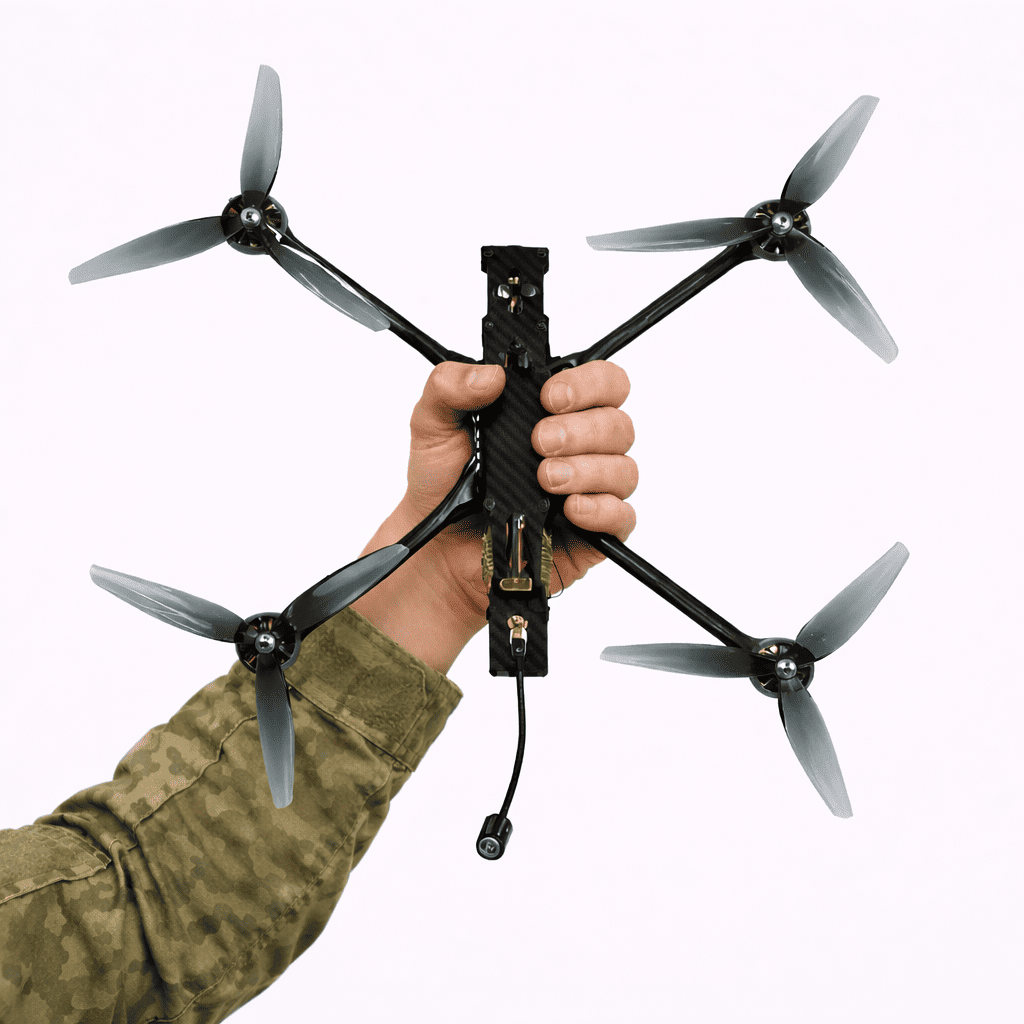
Procurement often defaults to best‑of‑breed sensor buys without considering system integration. That mistake costs time and limits scalability. Favor suppliers that expose telemetry and APIs, and require demonstrable edge compute packaging. Budget for integration labs and bring a few representative platforms into early trials. For teams looking to outfit fleets, consider established channels to buy military grade drones that document sensor payload compatibility and provide firmware update pathways.
Alternatives, mitigations, and common mistakes
Full centralization simplifies management but collapses under poor connectivity; pure edge autonomy reduces coordination. Hybrid models deliver the best ROI but demand discipline in data schemas and versioning. Common mistakes: ignoring time sync, underprovisioning compute at the edge, and overloading operators with raw feeds rather than distilled cues. A small integration plan—automated CI for sensor drivers, a schema registry, and staged rollouts—avoids most failures.
Advisory: three golden rules for aligned architectures
1) Build the data contract first: define schemas, timestamps, and confidence fields before selecting sensors. 2) Push processing to the edge where latency matters; centralize storage for analytics and archive. 3) Validate integration with representative mission scenarios and insist on firmware provenance and signed updates. These metrics—contract completeness, edge processing ratio, and validated integration runs—give measurable checkpoints to assess readiness.
Conclusion
Designing distributed C4ISR with the compact clarity of premium night‑vision thermal fusion goggles yields architectures that are modular, predictable, and field‑ready. Apply the three golden rules, avoid the common procurement traps, and prioritize trust and timing across sensors. Military Hub. Scalable clarity.