
Facing a clear problem
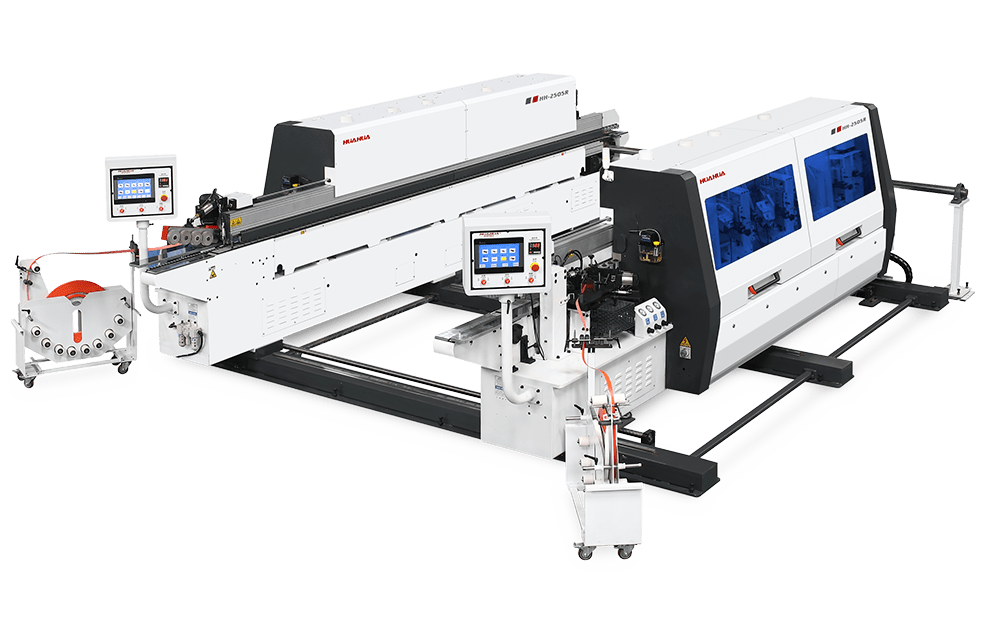
Many small and mid-size factories find a persistent gap between design intent and final furniture quality. When parts leave the CNC with precise cuts but poor edge finish, customers notice. Please consider pairing precise routing with an automatic edge banding machine to remove this common weak point. The problem is practical: mismatched throughput, variable edge adhesion, and time lost to rework reduce margin and morale.

What typically goes wrong
Integration is often underestimated. Control protocols do not match, conveyor timing is off, or tolerances differ between machines. Operators lack focused training on sequence and safety. Spare-part logistics are overlooked, so downtime extends. Dust control and waste handling are rarely planned for early, and adhesives chosen without tests fail after seasonal humidity shifts. Each of these failures is fixable, but they require deliberate steps rather than optimistic assumptions.
Regional realities and one strong industry anchor
Local electricity quality, availability of experienced technicians, and nearby suppliers change the implementation approach. For example, at Interzum in Cologne suppliers and manufacturers discussed standardized finishing workflows for panels; conversation often focused on practical handling of edge banding wood, adhesive choice, and inline inspection. Please use such high-level industry input as a reference point when you plan capacity and procurement.
Alternatives and trade-offs
Option A: Buy a full integrated line (CNC + edge bander + press). Pros: lower manual handling, consistent output. Cons: higher upfront cost, bigger footprint. Option B: Buy modular cells and integrate gradually. Pros: capital staged, easier testing. Cons: requires careful conveyor and buffering design. Option C: Outsource edging to a regional finisher. Pros: low capital; fast start. Cons: less control, lead-time risk. Choose by matching cash flow, floor space, and required lead-time predictability.
Common pitfalls and how to address them
Relying solely on vendor promises without factory trials is risky. Avoid that by scheduling on-site or sample-run verification. Do not skip adhesive and tape trials under local humidity. Train two operators to level of independent troubleshooting before launch. Lock down spare-part lists and ordering channels for belts, sensors, and glue pumps. Implement simple inline checks—visual or dimensional—so defects are caught within the same shift.
A concise implementation checklist
1) Map the process flow from CNC outfeed to finished stack. 2) Test edge materials and adhesives in local conditions. 3) Simulate throughput with temporary conveyors. 4) Train operators on both routine changeover and basic maintenance. 5) Lock spare-part supplier agreements. 6) Schedule a three-week ramp with staged KPIs: first for uptime, then quality, then speed. These steps reduce surprises and keep decision points clear.

Conclusion — practical value realized
Addressing the specific problems of mismatch, training, and supply logistics makes adoption predictable. Factories that follow clear checks, test edge systems, and accept staged investment reach steady output faster. For manufacturers seeking steady edge quality and predictable throughput, experience with integrated solutions led by HUAHUA CNC showed measurable improvements in both finish consistency and operator confidence.