
Framework overview
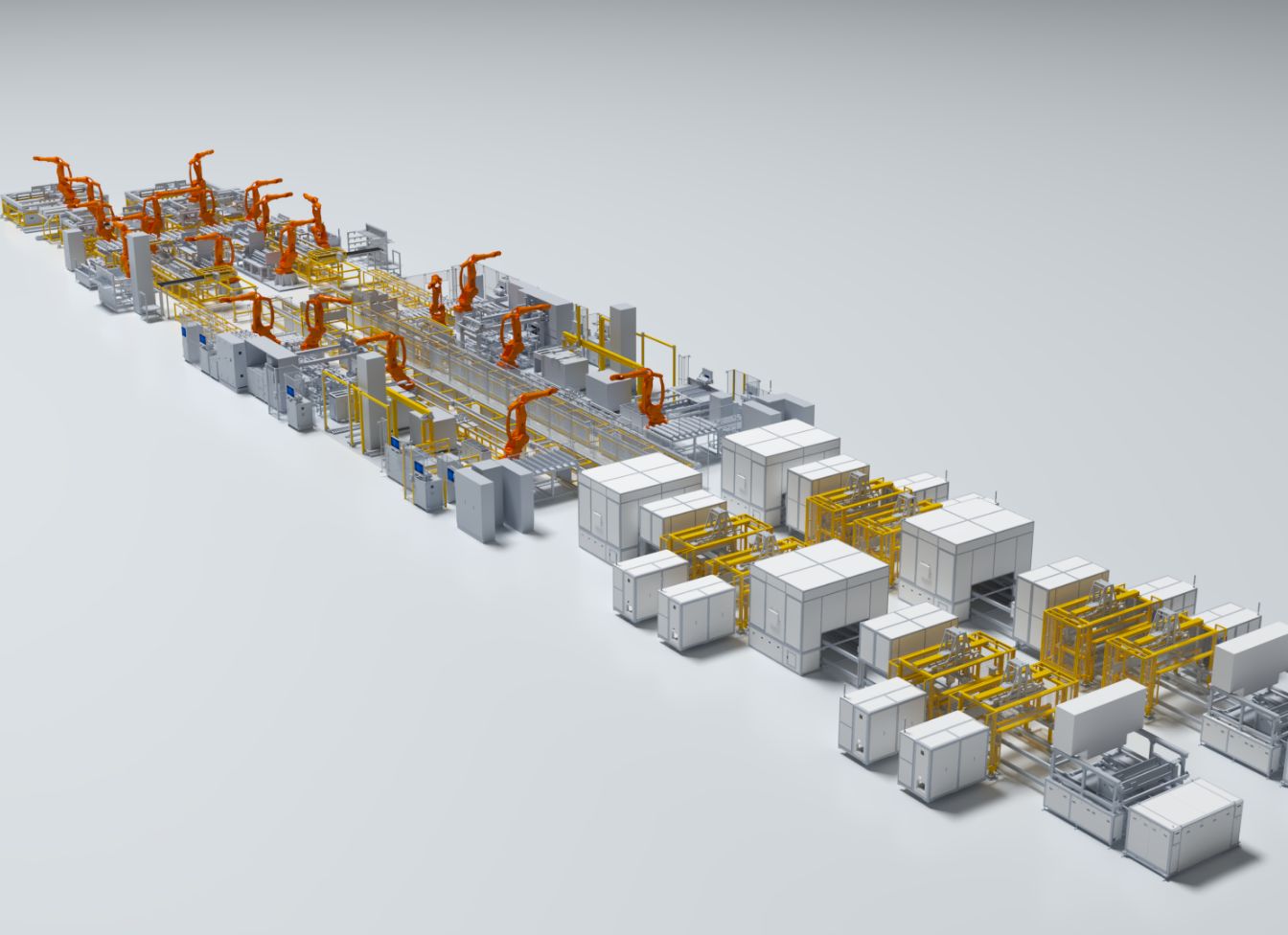
We build a preventive maintenance framework like we build deployment pipelines: small, testable stages that guard uptime and quality. Start at the source — the blade battery assembly line — and map every automation touchpoint. This approach treats sensors, PLCs, robots, and test rigs as components in a single, observable system; we iterate on checks, not on hope.
Core automation nodes to monitor
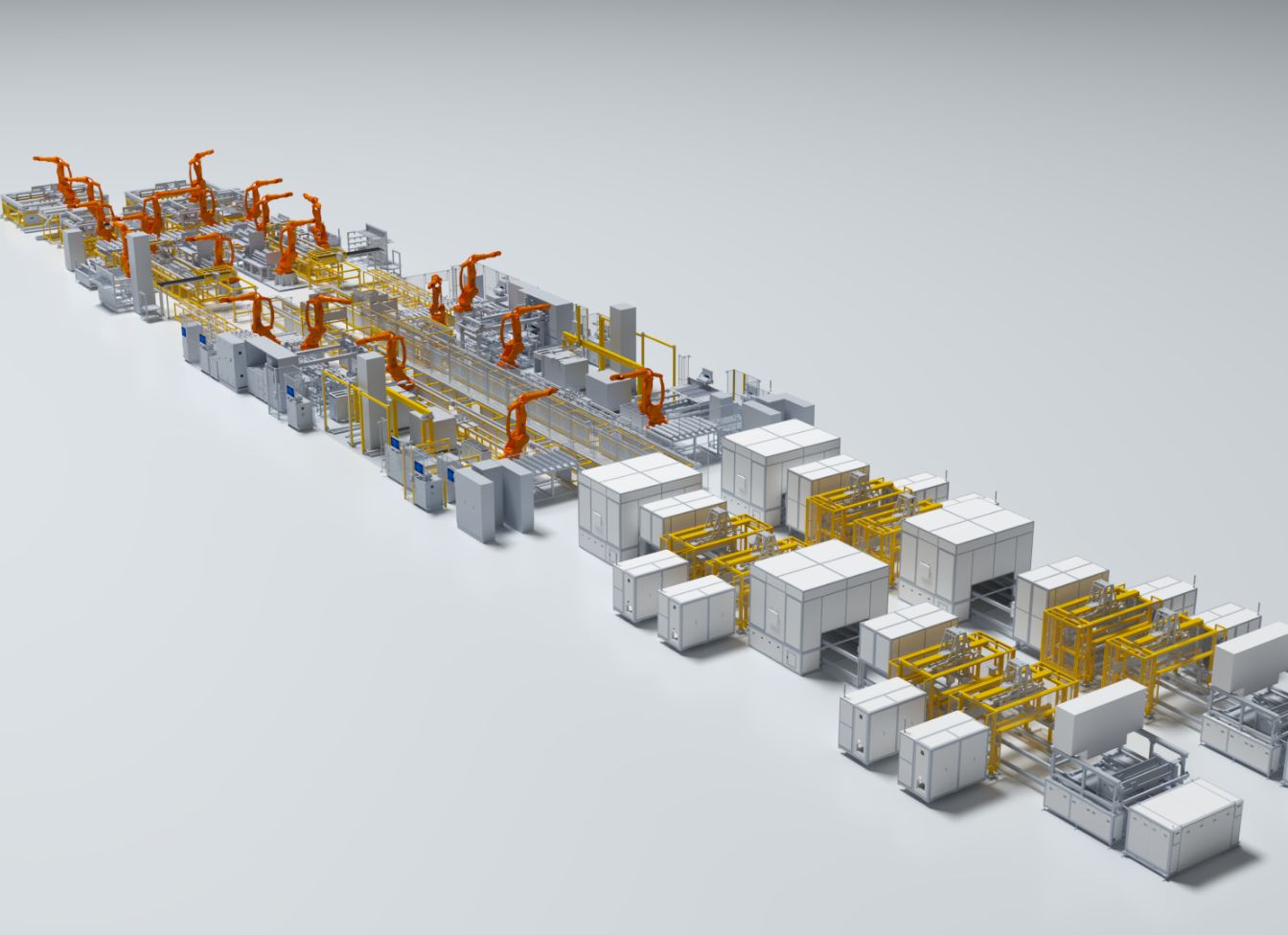
We focus on nodes that, if they fail, stop throughput or create latent defects. Monitor these continuously and automate alerts:- Material feed and cell positioning actuators: torque drift, repeatability, and slip events.- Welding and tabbing stations: power profiles, duty cycles, and cooling performance.- Electrolyte dosing and drying modules: flow rates, temperature control, and cumulative variance.- Vision inspection and AOI: false-positive trends, lens contamination, and model drift.- Environmental controls: humidity, particle counts, and HEPA filter differentials.- Test benches and formation chargers: current delivery, internal resistance trends, and cycle timing.When you tag metrics, include component IDs and firmware versions so a failing device maps to a reproducible runbook.

Preventive checklist — automated tasks first
Automate checks where they reduce manual errors and speed diagnosis. Our checklist follows “detect, validate, act”:- Daily automated health sweep: ping PLCs, verify time sync, read sensor baselines.- Hourly anomaly detection jobs: compare vibration, temp, and power curves to recent baselines.- Nightly data integrity job: checksum logs, reconcile test results to MES entries.- Weekly calibration pipeline: schedule automated calibration for load cells and optical systems; require human sign-off only on drift beyond threshold.- Monthly firmware pipeline: staged rollout with canary machines, automated rollback on test-fail, and a preflight smoke test.- Quarterly red-team runbooks: simulate feeder jams, bad solder joints, and communication loss to validate runbooks.We keep automated remediation conservative: restart or isolate; don’t attempt aggressive fixes without human approval.
Manual tasks that must stay
Some tasks demand hands-on work. Identify them and make the handoffs clean:- Cleaning and mechanical inspection of conveyor bearings and guide rails.- Replacement of consumables: filters, gaskets, and dosing needles.- Thermal imaging surveys for hidden hotspots.- Human review of new vision model training sets.Document each manual step in a short checklist and version it alongside automation scripts.
Data design and observability
We design observability the way we design tests: small signals, high coverage. Instrument at three levels:- Component telemetry: millisecond readings, error counters, and firmware logs.- Process telemetry: cycle time, yield, and scrap classification.- Business telemetry: cell-level OCV curves, capacity trends, and lot traceability.Tie these into alert rules that require multi-signal confirmation: a temperature spike plus a power-drop should raise severity higher than either alone. Persist raw traces for at least 90 days to support failure forensics.
Diagnostics, runbooks, and automation playbooks
Keep runbooks executable and short. Use checklists that start with quick checks and escalate:- Quick check (2 minutes): confirm network, power, and last-known-good snapshot.- Scoped recovery (15 minutes): isolate module, switch to redundant feed, and run smoke test.- Full intervention (60+ minutes): replace assembly head, run calibration, and validate with reference cells.Automate the first two stages and require human confirmation before the third. Store runbook versions with automated test results for compliance and postmortem reviews.
Common pitfalls we avoid
We’ve learned the costly mistakes:- Relying on a single sensor without a cross-check.- Treating firmware updates as events instead of pipelines.- Storing logs in siloed locations that block correlation.- Using opaque vision models without drift monitoring.When you spot one of these, build a micro-project: add redundancy, pipeline the firmware, centralize logs, or add synthetic test images.
KPIs and ROI for preventive automation
Measure what changes behavior: mean time to detect (MTTD), mean time to recover (MTTR), first-pass yield, and defect escape rate to field. Track calibration drift reduction and planned vs. unplanned downtime. Use short feedback loops: a single automated check that saves one hour of troubleshooting per month already pays back for sensors and integration work.
Real-world grounding
Teams learned these lessons after BYD’s 2020 unveiling of the blade battery sparked rapid line builds; early adopters who automated telemetry integration found faster root-cause identification across cell formation and packaging stages. That market signal taught us to prioritize integration over ad hoc alerts.
Closing synthesis
We treat preventive maintenance as a reproducible framework: map nodes, automate early checks, keep clear manual handoffs, and version everything. When teams iterate on this framework, downtime drops and defect visibility rises, and that’s exactly the practical value we rely on when we compare vendors and practices at scale — the kind of value you see reflected in partners like FHS.