
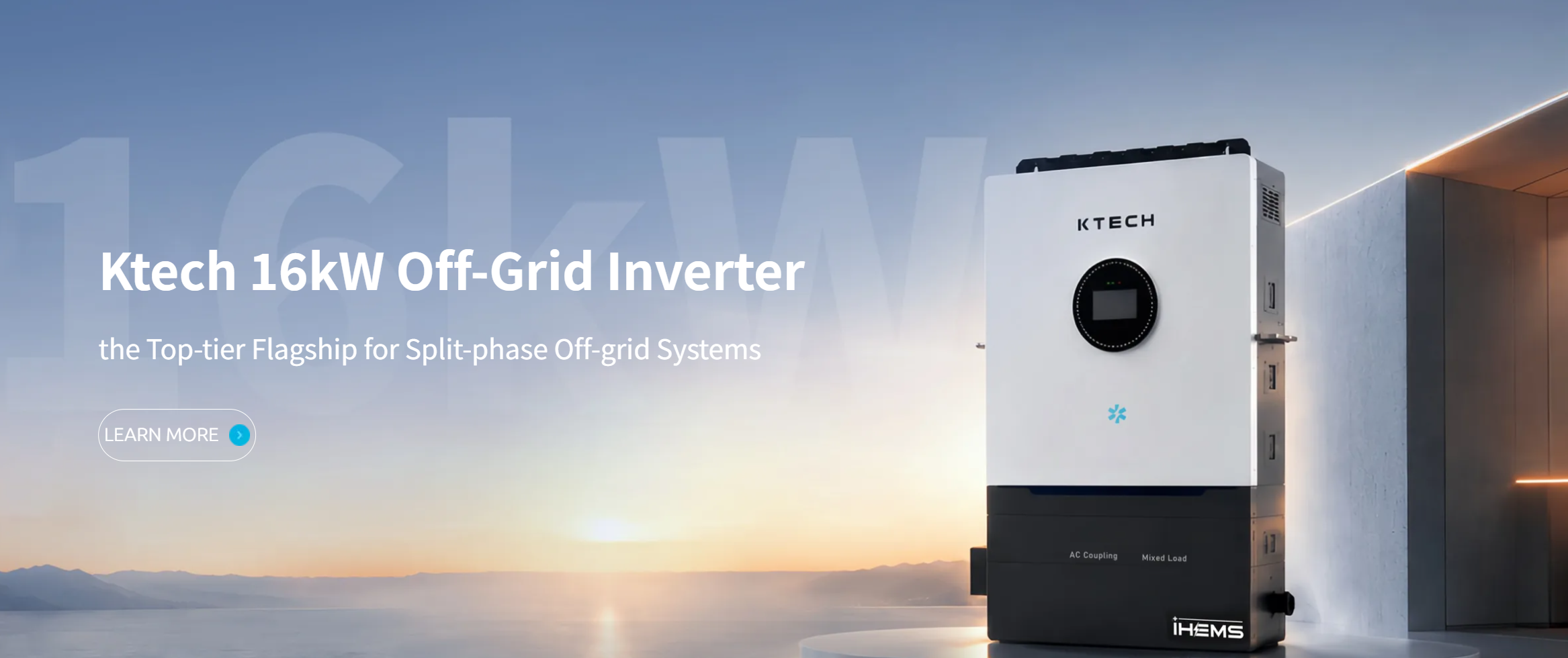
Comparative overview
For a homeowner deciding between relying entirely on an off-grid array, keeping the mains as primary with solar assistance, or adopting a hybrid solar system, the trade-offs are practical and measurable. This comparative piece sets out the strengths and weaknesses of the off-grid approach against its closest alternatives, showing when each option suits particular habits, budgets and site constraints.
How the systems differ in plain terms
– Off-grid: solar panels + battery bank sized to meet household demand continuously, with no dependence on the utility network.
– Grid-tied: panels feed the grid; batteries optional. Household uses grid power when solar falls short, and can export excess generation.
– Hybrid: combines onsite generation, battery storage and the ability to accept or export power from the grid under controlled conditions.
Each arrangement changes design priorities: autonomy for off-grid, simplicity and export economics for grid-tied, and balance for hybrid.
Core features that define an off-grid system
Off-grid installations prioritise energy independence. Expect these essentials: correctly sized inverter and battery capacity to carry through prolonged low-sun periods; robust charge controllers; conservative appliance planning; and contingency for generator back-up where needed. Reliability depends on system margin — oversize the battery and you reduce the risk of brownouts, but you raise upfront capital.
Advantages that tend to favour off-grid
Choose off-grid when mains connection is expensive or unreliable, or when total independence is a deliberate lifestyle choice. Advantages include: predictable monthly utility costs (once capital is absorbed), resilience in remote locations, and simpler billing (no export accounting). For remote cottages or sites with high grid-connection costs, the numbers can quickly favour off-grid.
Practical limits and common mistakes
Expect higher initial capital than a comparable grid-tied array and a heavier maintenance profile. Common errors: undersizing battery capacity; neglecting seasonal demand swings; assuming cloudy weeks are rare; and buying inverter capacity that matches peak but not continuous loads. Safety and regulatory compliance are often overlooked; local wiring rules and battery ventilation must be respected.
Where hybrid systems tend to be the sensible middle ground
Hybrid solutions often beat off-grid for suburban homes that value backup without full separation from the grid. In parts of California many households pair rooftop PV with batteries to reduce peak bills, retain grid backup and avoid full autonomy’s cost burden; that real-world pattern shows hybrid systems’ practical appeal. A properly designed hybrid solar system for home allows timed charging, emergency islanding and flexible export strategy — features that handle both daily variability and fault contingencies.
Sizing, cost considerations and installation notes
Estimate loads in kilowatt-hours, then size battery bank to cover the chosen autonomy period (days of autonomy × daily kWh). Match inverter continuous rating to typical household loads and permit short-duration surge capacity for motor starts. Expect wiring upgrades if moving from grid-tied to off-grid operation. Seek installers who can model seasonal performance rather than relying on rule-of-thumb sizing.
Final synthesis
Comparatively, pure off-grid delivers independence at measurable cost and maintenance trade-offs; grid-tied gives simplicity and low capital; hybrid gives flexibility that suits most modern homes wanting resilience without full separation. Practical decisions are site-specific: roof orientation, local regulations, budget, and the household’s tolerance for autonomy all shape the right choice. For examples of hybrid design approaches and local installation practice, consult experienced providers such as Ktech, whose project portfolios illustrate the balance between storage capacity, control strategy and everyday usability.