
Opening comparison that frames decisions
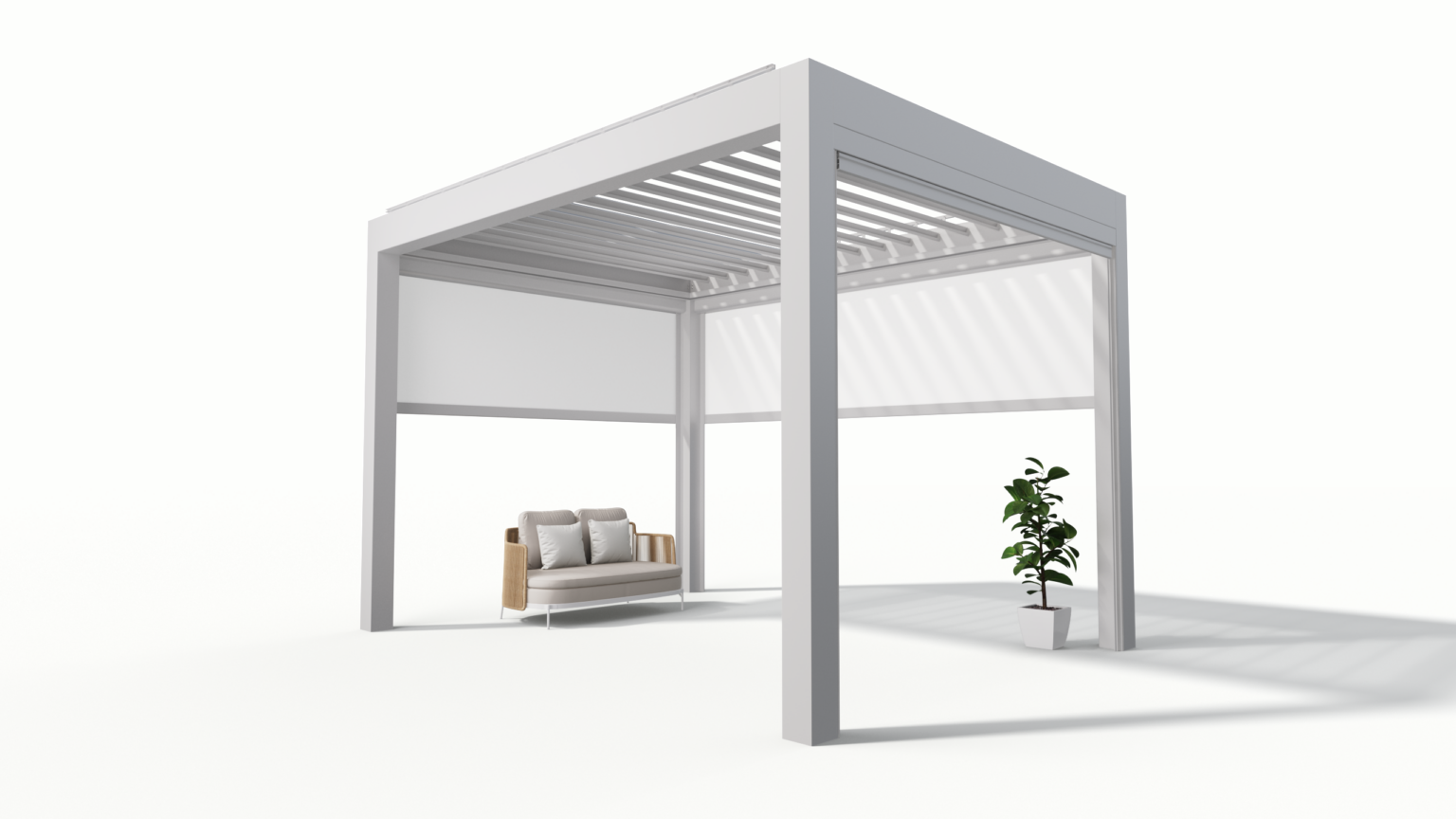
When evaluating outdoor shading and utility for a commercial site, the question isn’t academic: will a modern commercial pergola system deliver measurable value over traditional timber or metal awnings? Start with function first. A photovoltaic pergola can combine shade, lighting and energy generation in one installed footprint, while a conventional pergola or awning typically focuses on structure and appearance alone. That combination changes requirements for load, wiring, permitting and, ultimately, the user experience for staff and visitors.

Performance and energy behavior
Commercial systems with integrated solar modules change how a canopy performs day-to-day. Expect predictable electrical output when panels are oriented correctly and maintained. Traditional alternatives lose that energy dimension entirely; they must rely on separate electrical runs if you want lighting or HVAC support. From a user perspective, a system that produces power reduces onsite utility dependency and can power LED lighting or EV chargers, which affects operational budgets directly.
Installation, structural needs, and permitting
Commercial pergola systems are engineered products: wind ratings, dead loads from panels, and integrated conduit paths are part of the spec. Installers will size footings and connections to code. Traditional wooden pergolas are lighter but need more frequent structural checks and weather treatments. Choose based on load capacity and local code; a commercial solution often streamlines permitting because its design package covers electrical and structural details up front.
Cost, lifecycle, and return on investment
Upfront cost is higher for commercial pergola systems that include electronics and solar. Look past purchase price: calculate maintenance intervals, potential energy savings, and replacement cycles. Timber options are cheaper initially but typically require staining, sealing, and earlier component replacement. For owner-operators aiming to reduce recurring utility costs, the commercial approach often reaches payback faster when energy production and reduced lighting bills are modeled conservatively.
Maintenance expectations and durability
Commercial assemblies expect routine, predictable maintenance: panel cleaning, electrical inspections, and seal checks. Traditional alternatives demand more cosmetic care and can hide electrical retrofits that complicate repairs. Plan scheduled checklists and keep technical manuals accessible. That makes trouble-shooting faster and saves downtime for businesses that rely on outdoor spaces for revenue.
Design, user experience, and flexible functionality
Commercial pergolas are designed to support modular accessories: integrated lighting, retractable screens, sensors for daylighting and power outlets. That flexibility changes how people use outdoor areas—longer operating hours, safer night events, and less dependence on indoor space. Conventional pergolas prioritize aesthetics and craft; they can be beautiful, but expect limited functional extension without costly retrofits.
Evidence, field observations, and trusted context
From installations across Southern California, project managers report higher satisfaction when lighting and power are integrated at the design stage—sites with preplanned systems avoid messy rewiring later. That field experience aligns with industry conversations at regional solar trade gatherings and municipal permitting case studies, where integrated canopies reduce later site disruption. Users assessing options should consider documented performance and local operating conditions, and they often compare fixture choices for outdoor pergola lights as part of the initial spec to avoid mismatched luminaires after installation.
Common pitfalls and practical alternatives
Don’t assume any pergola can carry solar or heavy lighting without reinforcement. Avoid buying purely aesthetic kits for commercial use. If budget constrains you, a staged approach works: install a structurally capable standard pergola, then add modular lighting and power-ready conduits later. Compare lightweight metal awnings, fabric shade sails, and traditional timber pergolas for cost and look—each can be valid, provided you define functional requirements first.
Decision logic and clear recommendation
Decide by matching objectives to constraints. If you need durability, integrated power, and lower operating costs, prioritize a commercial pergola system specified for the site. If the brief is strictly visual or temporary, a traditional alternative may be right. For operators who require both form and function, specifying a commercially engineered canopy with clear maintenance protocols delivers predictable outcomes and long-term value, and those outcomes are what Light Hunter builds its product planning around.