
Introduction — a question that matters
What happens when a small spark meets the wrong vapor? I ask that because I’ve stood near work benches where a dropped tool could have changed a shift — and a life. non sparking wrenches are not a novelty; they are a safety necessity in many places where flammable vapors or dust hang in the air. Industry audits routinely flag tool-generated sparks among top ignition risks (ATEX zones, confined spaces — you know the drill). So here’s the argument I’ll make: adopting the right tools cuts risk in clear, measurable ways. But which trades get the real benefit? And how do we pick the right wrench for the task at hand? Let’s turn that question into a search for practical answers and clear standards.
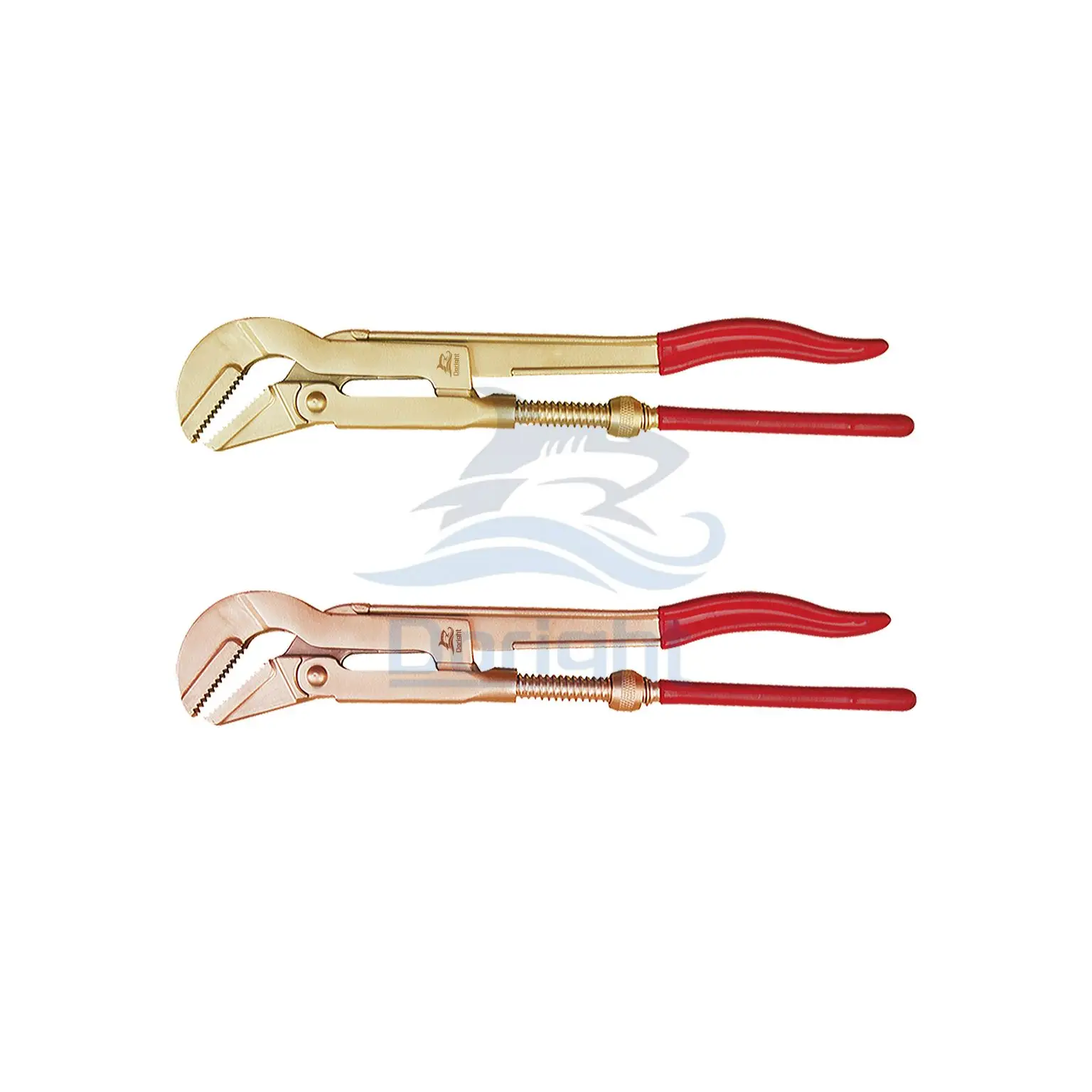
Where standard tools come up short
I want to be blunt: most jobsites treat handheld tools like throwaway items. They are cheap, and people assume they are safe until something goes wrong. That’s where a non spark spanner becomes central to the conversation. Unlike steel wrenches, non spark spanners are made from softer, non-ferrous alloys (bronze-aluminum alloy, beryllium-copper variants) that lower spark energy below the ignition threshold. But design alone is not the whole answer. Torque calibration, surface hardness, and corrosion resistance matter too — because a worn tool can still create hot friction or shavings that behave like sparks. Look, it’s simpler than you think: material choice reduces spark risk, but maintenance and user training close the loop.
Why do users still pick regular wrenches?
Cost and familiarity drive bad habits. Crews choose familiar steel wrenches because they last and feel strong — until they don’t. A non spark spanner requires a small behavior change: you inspect more often, you store tools in clean racks, you avoid impact use. Those steps reduce ignition paths. And yes, there’s a trade-off — some non-ferrous tools have different grip feel and slightly altered torque. I’ve seen supervisors balk at upfront cost. Yet when you line up incident reports, the savings from avoided shutdowns, fines, and injuries outweigh that initial spend. — funny how that works, right?
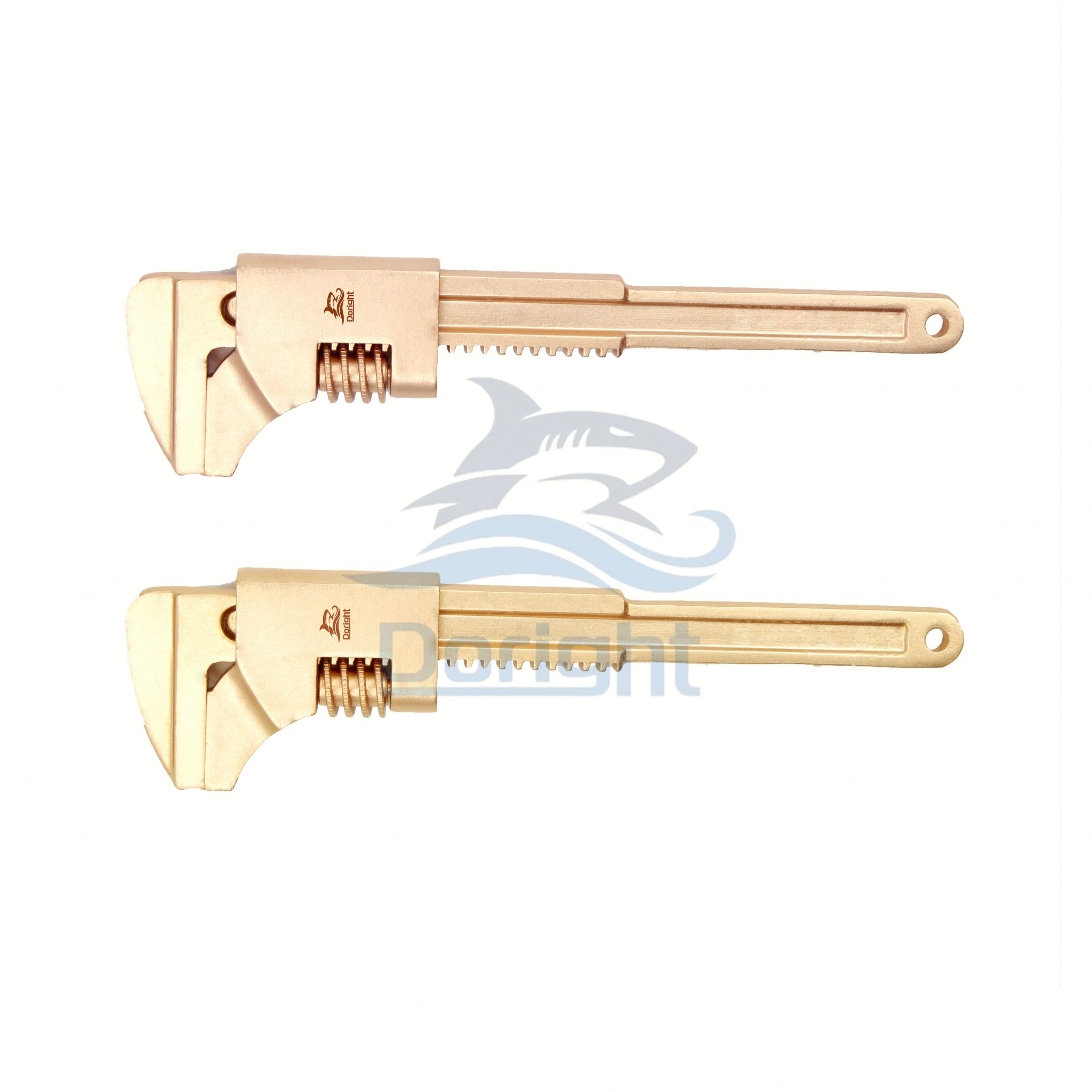
Looking forward: case examples and practical metrics
When I briefly consult with a refinery or grain handling facility, I look for three simple signs: atmosphere classification, tool-management policy, and training records. Then I recommend trials with a few non-sparking models. In one case, a mid-size plant substituted a fleet of standard wrenches for certified non-sparking sets and tightened their torque calibration program. Within six months, reported near-miss spark events dropped and teams became more disciplined about tool checks. That’s not a miracle — it’s process and better tools (intrinsically safe thinking applied to hardware). The key is matching the non-sparking wrench to the task and the hazard zone. Small pilots work best; scale slowly and measure often.
What’s Next for tool safety?
I predict a clearer split between general-purpose shops and hazard-rated workplaces. As sensors and edge computing nodes get cheaper, we’ll see tool-tracking and usage logs tied to maintenance systems. That means a wrench that’s used improperly gets flagged before it causes trouble. For now, though, you can act with plain metrics. When choosing a non-sparking wrench, weigh material certification (ATEX or equivalent), torque accuracy, and lifecycle cost. Also check if the tool vendor offers traceability or calibration records. — that small documentation step saves headaches later.
Three practical evaluation metrics (and a final thought)
Here are three clear metrics I use and recommend: 1) Certification and material spec: confirm alloy type and relevant ATEX/IECEx notes. 2) Torque performance: ensure the wrench holds calibration within task tolerance; a miscalibrated tool can harm safety and work quality. 3) Lifecycle and maintenance: look at replacement intervals, corrosion resistance, and vendor support for calibration. Use these to compare options side-by-side. They give you data, not opinions.
I’ll close with a human note. I’ve met technicians who treat tools like companions; they take pride in them. Choosing safer wrenches honors that care. We can be pragmatic and protective at once. If you want to explore reliable options and specs, check suppliers that focus on safety-grade tools — I often point teams toward trusted sources like Doright for documented, certified equipment.