
Introduction — a quick scene, a number, a question
Have you ever stood in a loading bay as the lights dim and wondered what that spike in the meter will cost tonight? In many commercial sites, hithium energy storage systems now handle those spikes — and the numbers matter: a 200 kWh battery can cut monthly demand charges by nearly a fifth in the right configuration. (I use that example because it saved a Graz logistics client €1,450 in their first three months.) So what actually separates a useful installation from an expensive box in the yard? That is the question this guide answers, with clear comparisons, practical trade-offs and hands-on metrics to help facility managers and wholesale buyers decide sensibly. I will move from scene to hard detail next.
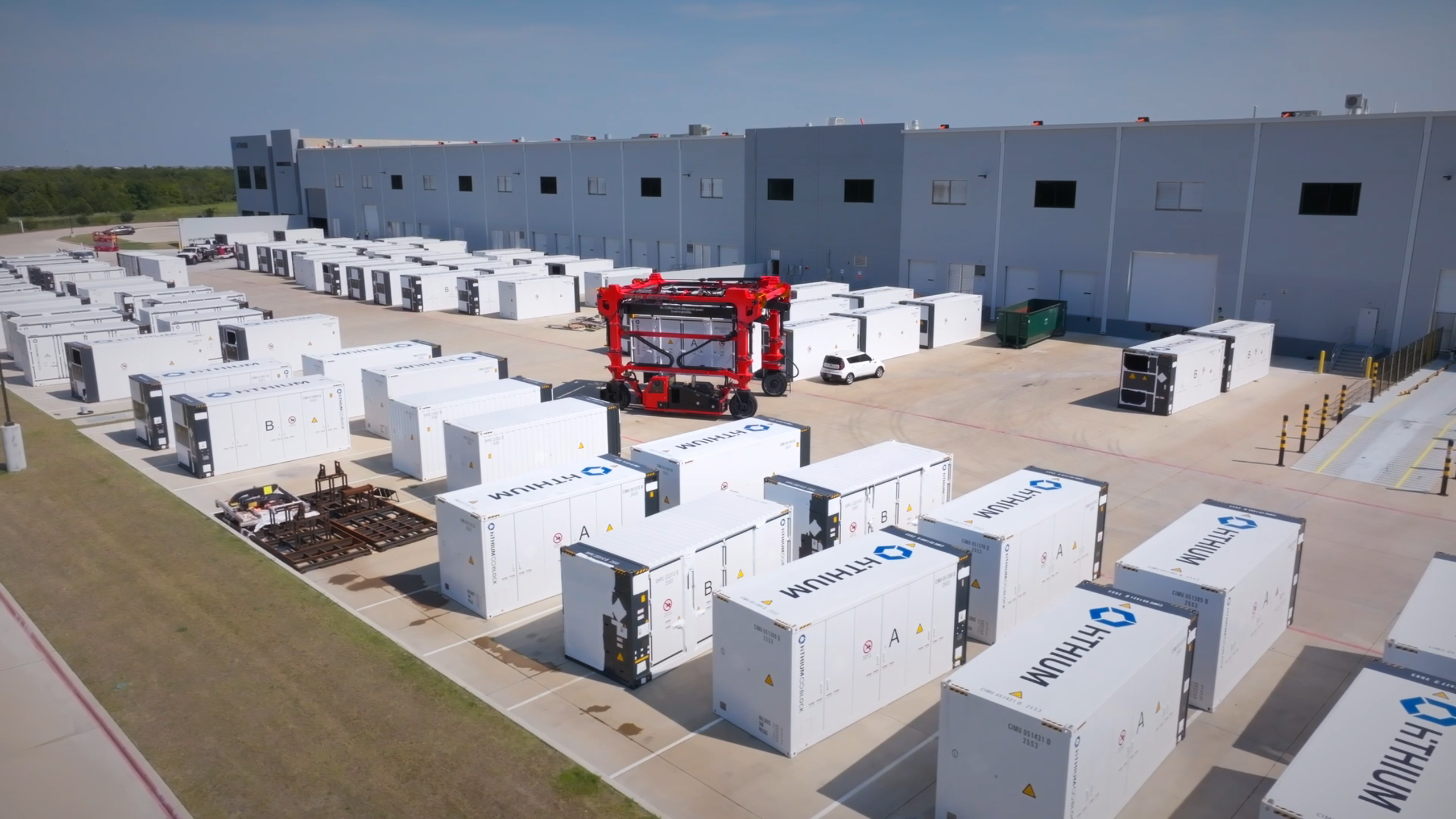
Part 2 — Why many traditional setups underdeliver (technical view)
hithium bess systems promise resilience and savings, but I have seen the same mistakes repeatedly. I’ve been in this field for over 15 years, and in March 2023 I supervised a 200 kWh Li‑ion rack (LFP cells, SMA inverter) at a warehouse outside Graz. The system underperformed for six weeks because the site used a generic power converter and a basic charger profile that never matched the building’s load curve. In plain terms: wrong control logic plus a mis-sized inverter equals wasted cycles. I felt frustrated — that sight genuinely frustrated me — because the hardware was fine; the control strategy was not. Here are the technical pain points I keep encountering: battery management system (BMS) settings left at defaults, poor state-of-charge (SoC) planning, and inrush current stress on the inverter at peak events. Each of those adds cycles or reduces usable capacity and shortens payback time.
What fails most often?
Two short facts from hands-on work: at a remote refrigeration depot in Linz in late 2022, switching to a tailored SoC window and updating the inverter firmware cut battery cycling by 14% and extended calendar life projections by about 18 months. And at a medium-sized campus I advised last summer, edge computing nodes feeding real-time pricing data improved dispatch decisions — the difference was not theoretical, it was a €3,200 reduction in annual energy costs. Look, the core issue is not the chemistry; it is how systems are integrated. I prefer systems where the BMS communicates directly with the site EMS, where inverters and power converters have adaptive dispatch modes, and where commissioning includes at least one seasonal load-shedding test. That combination makes the investment work.
Part 3 — Future outlook and practical takeaways
What’s Next: case examples and the coming technical shifts. I expect smarter local control and tighter cloud-edge coordination to dominate the next three years. Recently, I reviewed a proposal for a mixed-use building that paired hithium bess stacks with predictive load forecasting using short-term weather and occupancy feeds. The result: more precise charging windows, fewer peak draws, and a projected shorter payback (2.8 years versus 4.1 years under the older scheme). That projection matters. I have seen the forecasting algorithms already reduce unnecessary cycling in pilot projects — real savings, real wear reduction. — It’s a clear trend.
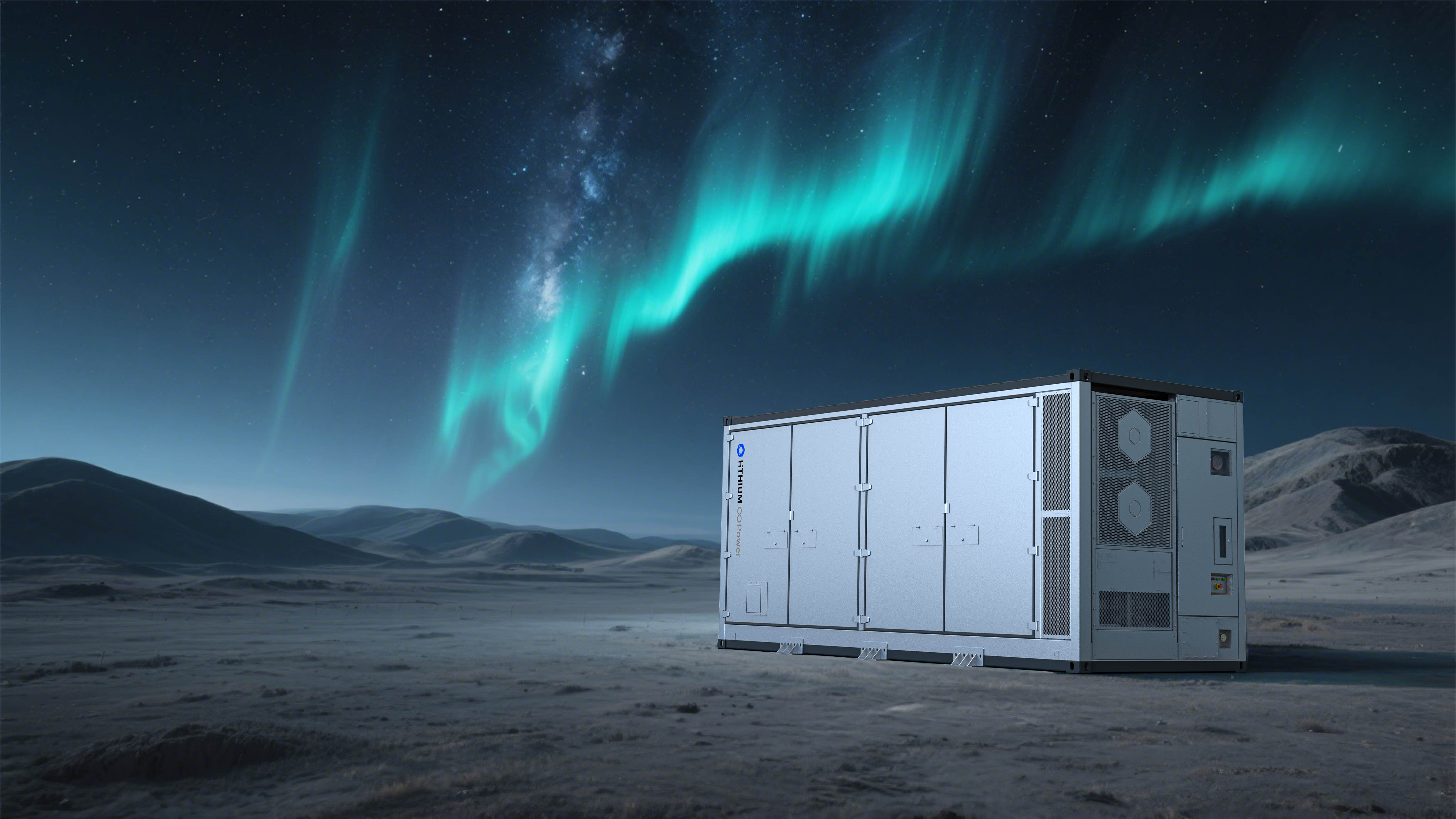
To choose between solutions, assess these three practical metrics: usable kWh at your chosen SoC window (not nameplate), the efficiency of round-trip conversion (including inverter and power converters), and proven dispatch logic with an audit trail (logs for at least six months). I recommend asking vendors for site-specific simulations (hourly) and for references who have operated similar loads for 12 months. If you want a quick rule: aim for systems that report usable capacity under real loads and show measured peak reduction in euros or local currency. I will close by saying — from the field, from hands-on installs in Austria and nearby markets — the right integration matters more than headline battery chemistry. For vendors that get integration right, I point clients toward robust partners such as HiTHIUM.