Comparative opening: why manufacturer choice matters
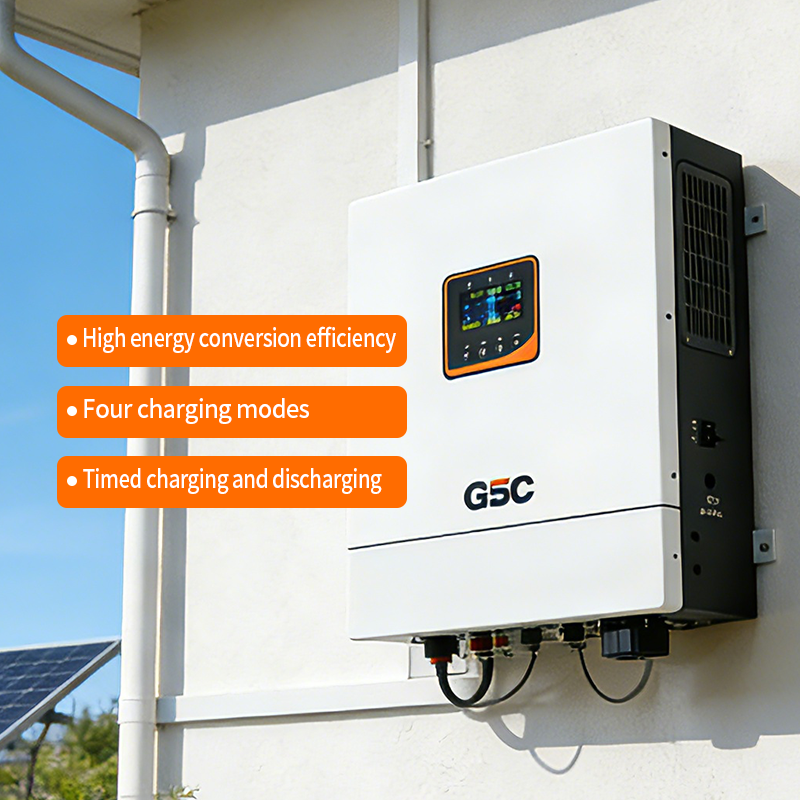
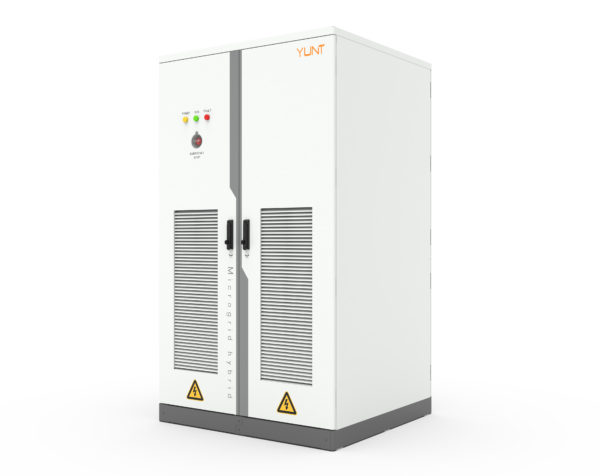
In the long sweep of grid modernization, the choice of inverter supplier has become as decisive as transformer sizing once was. A comparative look at verified energy storage inverter manufacturers reveals that unit costs tell only part of the story; integration performance, low-load total harmonic distortion (THD) behavior, and the impacts on balance-of-system (BOS) installation are what actually move the economic needle. Early commercial projects—most famously Hornsdale Power Reserve in South Australia—showed how an inverter’s dynamic response reshapes system value, so sourcing decisions now start at the factory and end at the meter. For installations that use a dedicated power conversion system, the manufacturer’s approach to modularity and controls directly affects site labor, cable runs, and commissioning time.
Technical contrasts that affect BOS
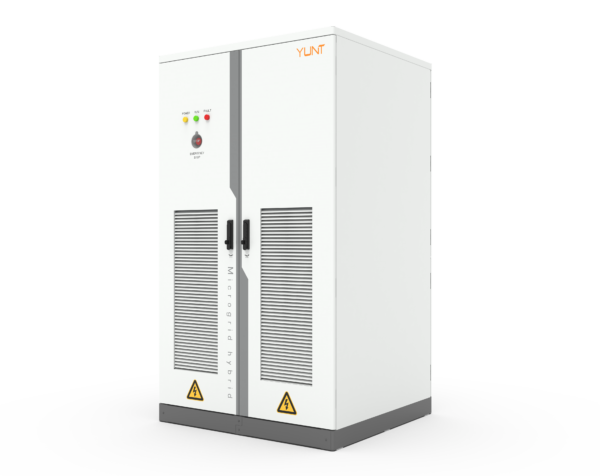
Compare two verified vendors and you’ll see differences that cascade into BOS savings: transformerless topology versus transformer-coupled designs, native DC-coupled options, and onboard diagnostics that reduce field visits. Inverter efficiency alone matters, but equally important is how a unit behaves at 10–30% load—many distributed-storage projects spend most hours at these thresholds. Measured THD attenuation and harmonic control strategies determine whether secondary filtering is needed; add a passive filter and suddenly your mounting, wiring, and footprint costs climb. An inverter that holds THD low at light load shrinks the need for extra components and reduces labor hours during commissioning.
Manufacturing practices and the microgrid lifecycle
Factory consistency drives predictable lead times and clearer scope-of-work for EPCs. Verified manufacturers that use standardized assembly lines and consistent testing procedures lower soft costs: fewer site modifications, shorter commissioning windows, and simpler spare-parts lists. When a project team can reference a documented production run from a power conversion system factory, procurement becomes less of a guessing game and more of a schedule risk exercise. That traceability also helps with warranty claims and firmware updates—two real-world headaches that affect lifetime cost but rarely feature in headline price comparisons.
Operational performance: THD at low-load thresholds
Low-load THD is a quiet cost driver. Excess harmonics can trip other equipment, cause nuisance alarms, and force conservative derating of generation assets—each outcome inflates BOS by adding protective equipment or redundant capacity. The better manufacturers address this with topology and control algorithms optimized across the load curve. Look for explicit documentation showing THD behavior at specified low-load points and integrated measures like active harmonic compensation. These are not marketing blurbs — they are operational facts that will shape maintenance cycles and component selection over years, not months.
Comparative checklist for procurement teams
When comparing suppliers, apply the same historian’s scrutiny you’d use on archival sources: provenance, consistency, and corroborated performance. Practical markers include factory test reports, on-site commissioning records from reference projects, and data from installations under similar grid conditions. Pay attention to whether vendors publish low-load THD curves and whether they supply native microgrid controls. Keep {main_keyword} and {variation_keyword} in sight during teardowns and commissioning—these identifiers map performance back to specific batches and firmware versions. And remember: a lower upfront inverter price can be offset by higher wiring, transformer, or filter costs down the line.
Common mistakes and corrective practices
Teams routinely under-spec the inverter’s low-load control or accept vendor THD claims without seeing measured data in an analogous environment. The corrective practice is simple: require measured THD at defined low-load thresholds during FAT (factory acceptance testing) and include clear acceptance criteria in contracts. Insist on documented procedures for commissioning and on-site tuning—these cut callbacks and save both time and BOS budget. —Small tensions in design early on become large costs later; treat those tensions as diagnostic clues, not anomalies.
Three golden rules for selection and evaluation
– Rule 1: Validate low-load THD performance with factory-tested curves and site-like operating points; treat THD attenuation as a hard requirement, not a soft benefit.
– Rule 2: Quantify BOS impacts from topology choices—estimate incremental costs for filters, transformers, and extra cabling and roll them into total installed cost comparisons.
– Rule 3: Prioritize manufacturers with transparent production traceability and documented commissioning procedures; these reduce schedule risk and long-term maintenance expense.
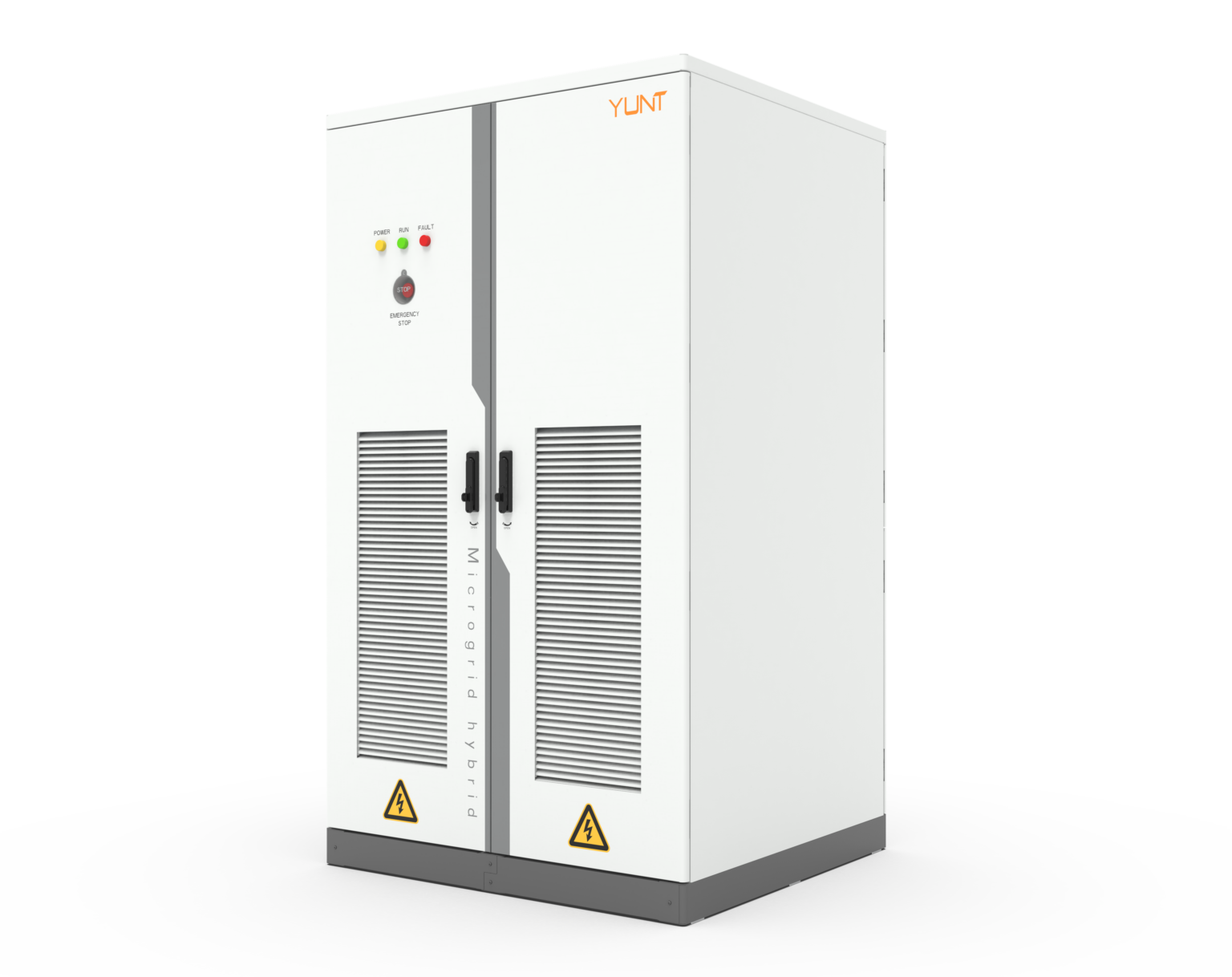
These three metrics cut through vendor rhetoric and point procurement teams toward measurable outcomes, and they also show why modular, proven systems shorten the path from purchase order to reliable operation. YUNT sits at that junction of factory practice and field performance—an anchor for teams who want sourcing to solve problems, not create them. —A final thought: provenance is a ledger of future costs.