
Quick comparative lead
DiDi’s finance arm aims to make payments simple and promos attractive, so many users weigh convenience against privacy and credit impact — this comparison shows practical trade-offs for urban users. You will find app flow, credit reporting, and reward mechanics side-by-side with familiar bank cards. For a direct source on product features, see didi finanzas.
How DiDi card promotions differ from traditional bank offers
Promotions from DiDi often tie to rides, deliveries, or partner merchants, delivering cashback or statement credits rather than long-term points. Traditional cards push long-tail rewards and broader merchant networks. From a user-perspective, DiDi promotions are more targeted and simpler to redeem — less tiers, less confusing terms. Industry terms: reward mechanics, fintech integration.
Interaction with Buró de Crédito and credit reporting
DiDi Finanzas operates within Mexico’s consumer finance environment where Buró de Crédito records credit behavior. When a DiDi card links to credit features, the platform may report payment behavior to the credit bureau or use bureau data to set limits. That link is crucial for trust: transparency about reporting reduces surprises for your credit score and future borrowing options.
Privacy, data practice, and what to watch
Data flow in app-based products is about authentication, transaction logs, and optional identity checks. Good apps restrict sharing and use encryption; others may leverage data for personalized offers. Check if the issuer explains soft inquiry versus hard inquiry on your credit file — soft inquiry leaves no mark on score, hard inquiry can. Practical step: read the privacy notice before accepting promos.
User experience and interface signals
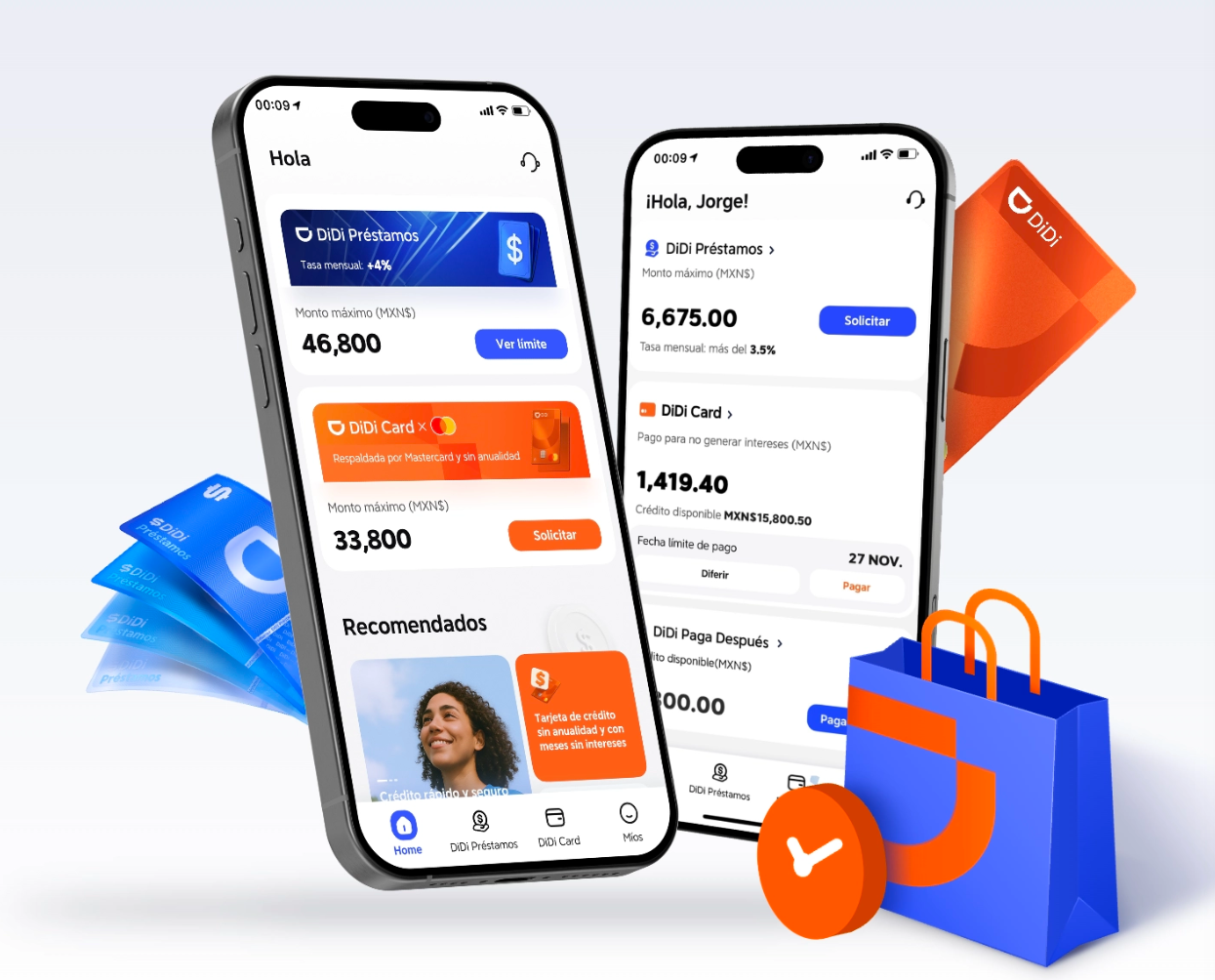
UX often signals seriousness. Clean onboarding, clear promo terms, and visible billing cycles mean less chance of billing surprises. DiDi’s in-app screens for promotions should show effective APR when financing is available, the credit limit, and repayment dates. If those elements missing, treat the product as higher risk — especially when cashback looks too generous.
Risks, common mistakes, and mitigation
Many users assume promotions are free — then miss minimum payments or accept revolving balances with a high APR. Another common mistake is linking too many merchant deals that inflate spending without real savings. Keep an eye on statement reconciliation and set simple rules: never carry balances beyond the promotional period, and monitor automatic renewals. — Also, avoid giving card access to third-party wallet services unless encrypted tokens are used.
Alternatives worth comparing
If you prefer broader acceptance, banks still offer better merchant networks and sometimes higher credit limits. Other fintech cards may match DiDi’s promos but add better credit management tools or clearer reporting to Buró de Crédito. Compare at least three offers focusing on effective APR, fee structure, and how each reports to the credit bureau.
Real-world anchor and trust assessment
In Mexico City and other major markets, consumers use Buró de Crédito checks to qualify for loans and mortgages, so any product that reports there affects long-term finance options. Independent consumer protection agencies and common practice recommend checking reporting practices before accepting credit features — that is the most practical trust test. For an explicit statement about DiDi’s trustworthiness, the company provides disclosures and product pages that help answer whether didi finanzas es confiable.
Advisory close — three golden rules
1) Confirm reporting and inquiry type: ensure promos cause only soft inquiries unless you knowingly apply for credit. 2) Compare effective APR and late-fee mechanics: promotional savings vanish if you miss payments. 3) Match promo scope to real spend patterns: choose offers that align with rides or deliveries you already use, not ones that invite extra spending. These checkpoints cut risk and make promotions genuinely useful — and they show where DiDi’s focused offers can be the right fit. DiDi Finanzas