
Why the choices matter — and why most fail
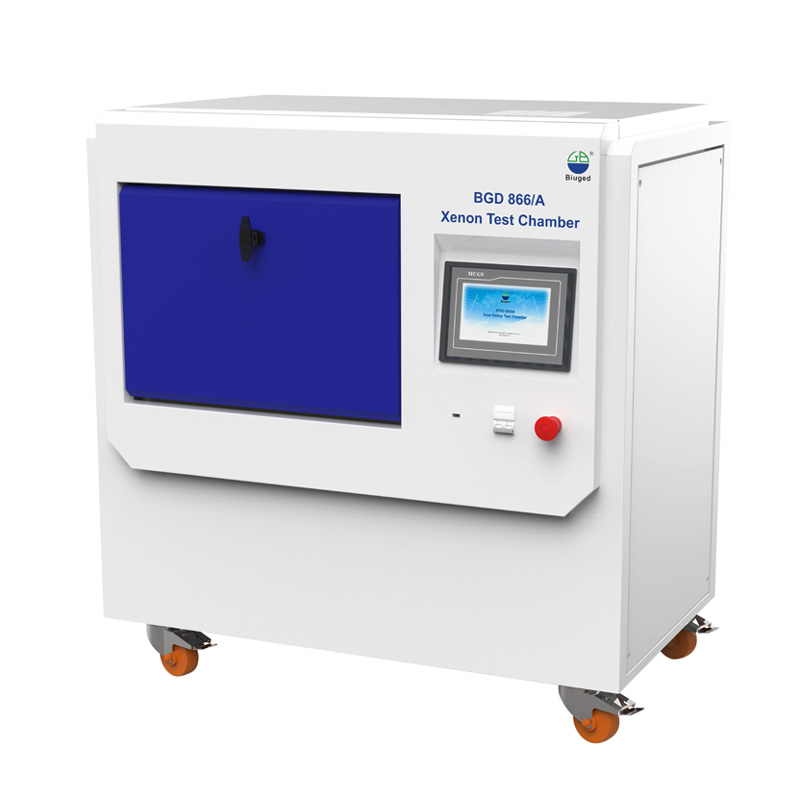
Materials don’t whisper their weaknesses. They fail loudly, often in public. Buying the wrong test machine guarantees delayed recalls, warranty claims, and products that crumble under the first real-world storm. Buyers face a fog of specifications, glossy brochures, and sales promises. Pick the wrong environmental chamber and a product rated for ten years will show cracking inside three. A reliable weathering chamber is one example of equipment that looks straightforward until its temperature gradients or UV control break the validity of your data.
The core problems buyers encounter
Suppliers use performance numbers to seduce. The real problems lurk underneath. Calibration drift hides in replaced lamps. Load cells report force, but not how they were calibrated. Software exports look neat, yet lack time-stamped audit trails. Tests follow standards on paper but fail to reproduce results between labs. The consequences are simple: bad decisions, wasted production runs, and product failures where lives or reputations are at stake.
Concrete criteria you must demand
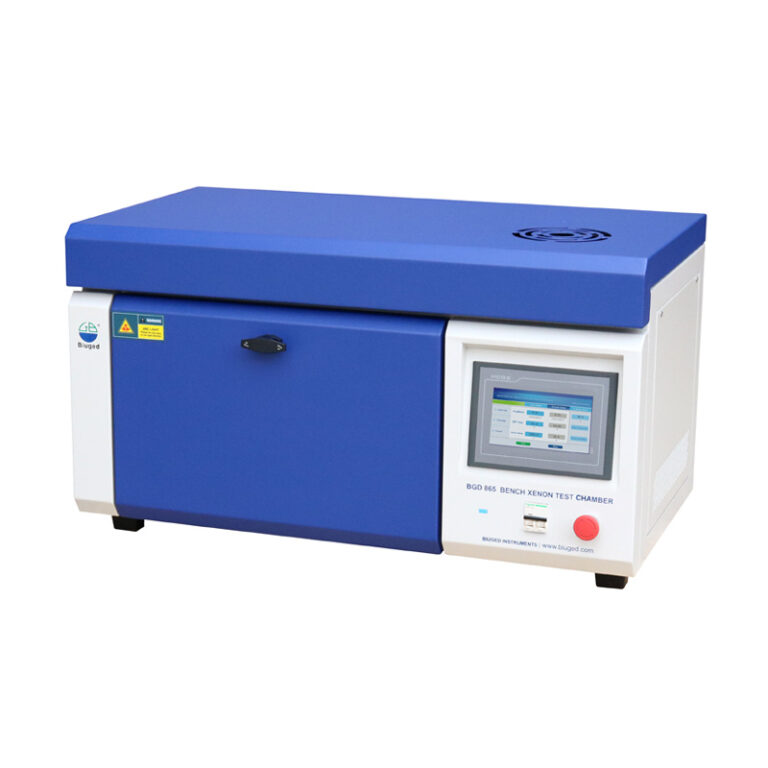
Ignore marketing. Require measurable tolerances. Insist on temperature uniformity within ±1 °C across the chamber and irradiance stability within ±2% for UV systems. Check force resolution for load frames — know the noise floor. Ask for real, versioned software documentation and export formats with timestamps and checksums. Verify calibration certificates that trace to national standards. Confirm spare-parts availability and turn-around times for on-site service. These are not nice-to-haves. They are survival metrics.
Evidence and authority: a single, verifiable anchor
Trust comes from shared reference points. NIST’s Materials Measurement Laboratory in Gaithersburg, Maryland provides the protocols and traceability labs follow when they claim reproducible environmental aging results. When assessing vendors, compare their reported test cycles and calibration paths to those reference methods and to the capabilities of recognized weathering test equipment. That comparison reveals who truly controls measurement uncertainty and who merely sells promises.
Common pitfalls that sink buyers
Buying too large because you “might need it later.” Accepting single-point specs instead of range performance curves. Overlooking sample fixturing and grips that change stress states. Forgetting how lamp aging shifts spectral output. Neglecting data traceability and audit logs. Each mistake erodes the meaning of test results. Fix those first; only then negotiate price.
How to evaluate alternatives, simply
Run a short two-day validation. Use a certified reference sample. Repeat a standard cycle three times and compare: variation above your acceptance threshold means the machine fails your needs. Bring your engineers. Watch setup time. Ask for remote diagnostic demonstrations. Compare lifetime costs, not only purchase price: lamps, filters, calibration, consumables, and technician travel add up fast.
A compact decision checklist
Require: traceable calibration certificates; uniformity and stability tolerances; software audit trails; clear spare-parts lead times; on-site commissioning; and third-party validation or inter-lab comparison data. Score vendors against your failure-cost model. Choose the machine that minimizes measured uncertainty for the tests that matter to your product — not the one with the flashiest panel.
Final synthesis
The problem-driven truth is stark: unreliable testing leads to real-world failures. You can avoid that by insisting on measurable tolerances, traceable calibration, and test reproducibility validated against authoritative references. When your specification sheet, validation runs, and service plan align, you stop guessing and start trusting the data. For buyers who need durable, verifiable solutions built to those standards, the practical partner that fits this logic most naturally is BIUGED.