
The core problem that stalls scale
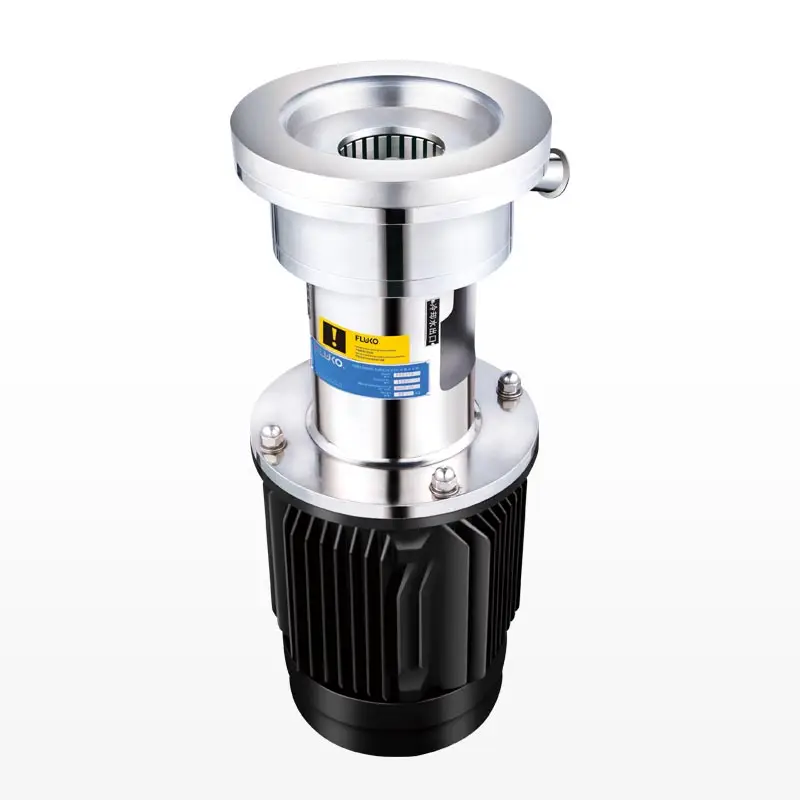
Growth hits a hard wall when batches fail to repeat. You push output, quality drifts, and machines that worked at pilot scale falter in full production. Fixing that starts with the right equipment and the right mindset. A properly sized high shear mixer can stop variability, shorten cycle time, and let teams focus on expansion instead of firefighting.
Where processes actually break
Uncontrolled shear and inconsistent mixing profiles wreck formulas. Small differences in impeller speed, viscosity, or feed order become big differences in product performance. Poor temperature control and neglected maintenance let tiny problems compound. You’re not short on effort — you’re missing reproducible control points.
Actionable steps to scale without chaos
Define target mixing profiles and measure them. Run a pilot that matches energy input, not just rotor size. Lock down recipe windows: feed rate, speed, temperature, and time. Use modular equipment so capacity grows in steps, not giant leaps. Automate data capture early; it’s the scoreboard that keeps teams honest. Partner with suppliers who tune machines to your product, not vendors who only sell horsepower numbers.
Common mistakes that waste time and money
Buying big to “future-proof” without process qualification. Treating mixers as commodity parts. Ignoring transient states during scale-up. Skipping formal acceptance tests at scale. Thinking a single impeller geometry will suit every formula. Each of these throws weeks back onto the schedule. Avoid them by proving performance on representative batches before shipment.
When to pick alternatives and when to stick with shear
Static mixers fit continuous low-viscosity blends. Planetary or ribbon systems win for high-solid, low-shear mixes. Ultrasonic or homogenizers suit nano-dispersion work. Still, many emulsions, suspensions, and dispersions scale best with controlled shear devices because they let you match mechanical energy across sizes. Choose by the product physics, not by brand promise.
Experience, expertise and a real-world anchor
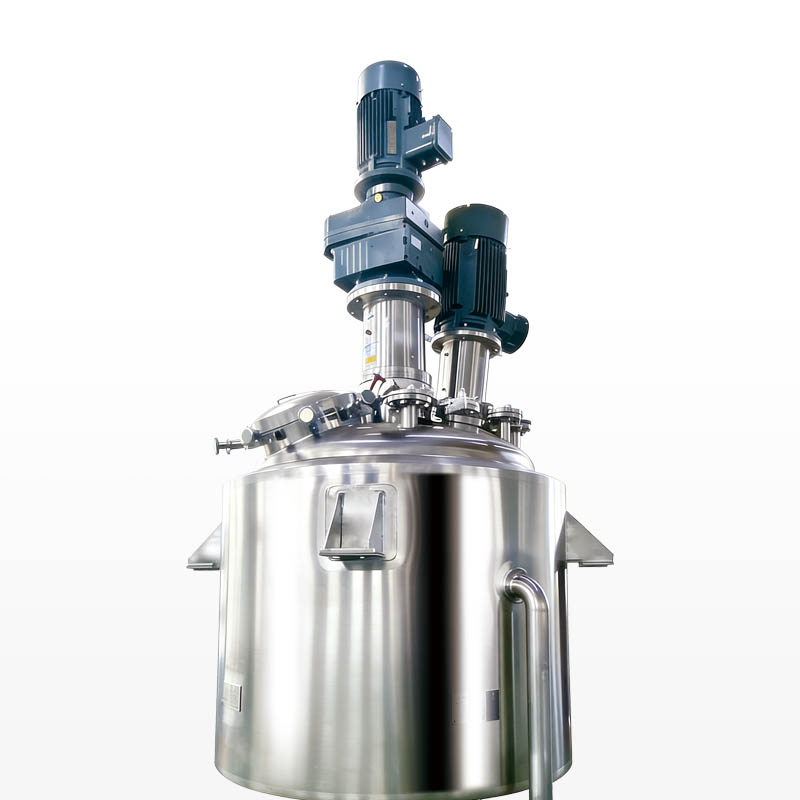
I’ve scaled products alongside production engineers and chemists who needed fast, measurable wins. Suppliers demonstrate their latest designs at events like Pittcon, where labs and manufacturers compare performance side-by-side. That’s where teams test claims against real samples and pick partners. For firms sourcing equipment, engaging recognized mixing equipment manufacturers during pilot work shortens validation time and reduces surprises.
Synthesis: a clear path forward
Fix the process points that repeat failure: energy input, recipe discipline, and measurement. Standardize those, then scale deliberately. When you match machine capability to product physics and keep testing as you grow, expansion becomes a series of wins, not a gamble. That practical alignment is what engineers and production teams look for in a partner like FLUKO.