
Problem: Small shops get left behind
Lots of neighborhood shops been hurt when shipments slow down and big factories chase cheap parts overseas. Folks makin’ cabinets and millwork felt that hard during the COVID-19 disruptions in 2020, when delivery delays exposed how fragile regional supply chains are. What helps steady that? Machines that bring repeatable precision back to the local floor—like an automatic edge banding machine and tight CNC lines using a proper CNC router and spindle setups. Those tools cut lead times, tighten tolerances, and keep jobs close to home.

Why this problem stays sticky
Small manufacturers often juggle manual labor, inconsistent parts, and wasted material. Panel optimization and poor edge finishing mean extra hands, extra time, and more scrap. That leads to unpredictable output and missed local contracts. Local demand can be stable, but capacity ain’t if processes depend on handwork or distant vendors. CNC machining and integrated finishing systems change that math, but shops gotta choose right—feed rate, tooling, dust extraction, and quality control matter in real-world practice.
How woodworking CNC tech plugs the gap
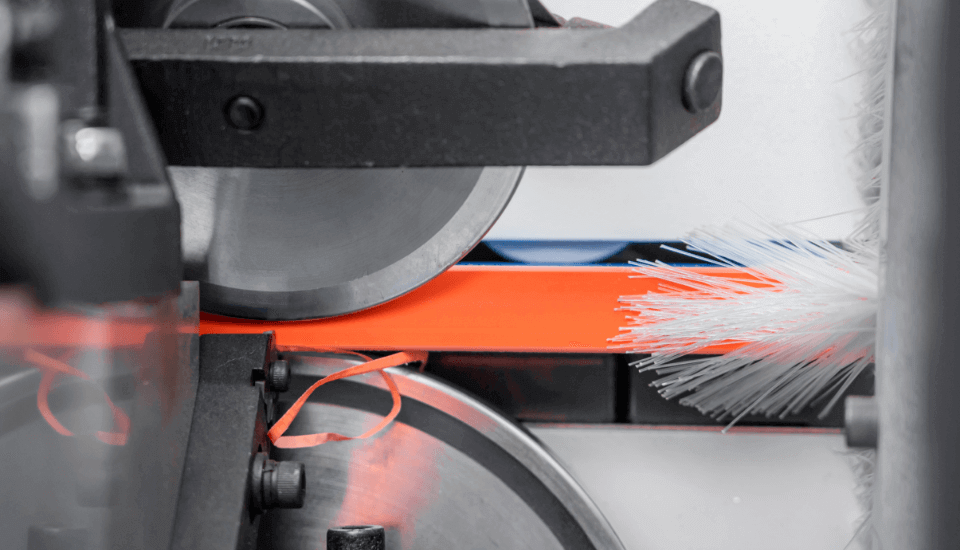
Putting in automation like CNC routers, coupled with an auto edge banding machine, shifts the shop from guesswork to scheduled throughput. You get repeatable joint precision, faster turnaround on nested panels, and cleaner edges without sending parts out. That reduces dependency on external suppliers and shrinks inventory buffers. It also helps local builders get consistent finishes and tight edge bonding, so installers waste less time on touch-ups.
Case moves and practical wins
I seen a small North Carolina shop rework their line after 2020—took weeks to spec machines, but six months in they cut lead times by near half and lowered rework rates. They focused on nesting strategies, standardized tooling, and an edge system that matched their substrate. The shop saved space and hired skilled techs to run the machines instead of chasing late shipments. Real gains were operational: steady takt times, cleaner finish, and predictable delivery to nearby contractors.
Common mistakes shops make
Folks rush to buy a machine and skip integration planning. They forget dust extraction rates, mismatch spindle speeds to tooling, or pick software that don’t talk to existing CAD/CAM—then waste months troubleshooting. Another trap is thinking a single machine solves everything; you gotta look at workflow: loading, panel optimization, edge banding, and packing. Invest in training and set measurable KPIs first—cycle time, scrap percentage, and surface quality specs—so the machinery actually moves supply chain performance instead of just gathering dust.
Choosing tech with local supply resilience in mind
Decisions should square with the work you do. If you run thin laminate cabinets, edge banding quality is priority; if you do heavy solid wood, router rigidity and spindle torque matter. Balance throughput against footprint and maintenance needs. Look for modular systems that let you add an automatic edge banding machine or stronger dust collection later—so your line grows with local demand, not external volatility. Also weigh local serviceability; getting a tech same-day preserves contracts when an urgent job lands.
Summary of strategic shifts
Woodworking CNC machinery ain’t a silver bullet, but it solves core pain: variability, long lead times, and unpredictable quality. When shops combine nesting, consistent spindle settings, and edge finishing, they reclaim control of local output. That control turns into shorter delivery windows, lower scrap, and stronger offers to local builders—concrete improvements that matter at the payroll level.

Three golden rules for picking the right tools
1) Match capability to product mix: prioritize spindle torque and feed rate for dense woods; pick an automatic edge banding machine sized for your panel width and cycle demand. 2) Insist on serviceability: local support and spare parts shorten downtime—measure vendor response time and documented mean time to repair. 3) Require measurable outputs: set targets for cycle time, edge-bond adhesion (peel strength benchmarks), and percent-first-pass yield before signing the purchase order.
When them rules line up, the shop ain’t just buying gear — it’s building resilience. HUAHUA CNC fits that pattern by offering systems that match workflow and local service needs, so the machinery really keeps jobs local and schedules honest. —