
Introduction: A Market Turning Point, Measured and Clear
Brands are racing to launch faster, yet the quiet winner is the packaging that works every single time. The second conversation in many sourcing meetings is about the lip gloss tube manufacturer who can keep leaks down and quality steady. In recent audits across beauty lines, more than a third of consumer complaints link to seepage, wand loosening, or cap misfit—small issues, big costs. So here is the question: if the packaging is simple, why does it break the budget and the timeline (and the trust)? We will compare how teams choose partners today, and what experts see next for reliability and scale. Let us move from symptoms to systems, step by step—without the buzzwords, inshallah.
Part 2: The Hidden Friction Behind “Empty” Formats
Why do empties still leak?
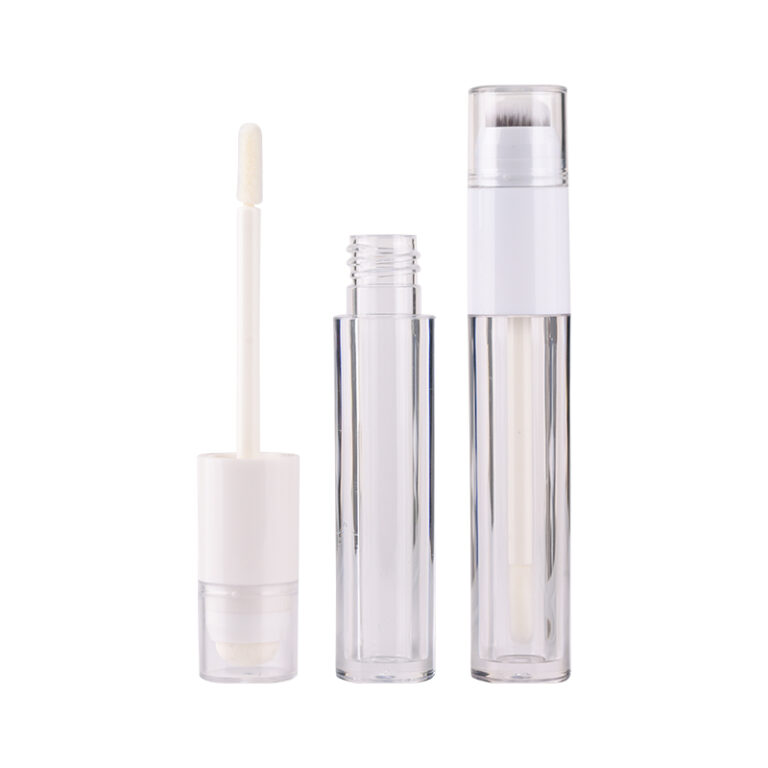
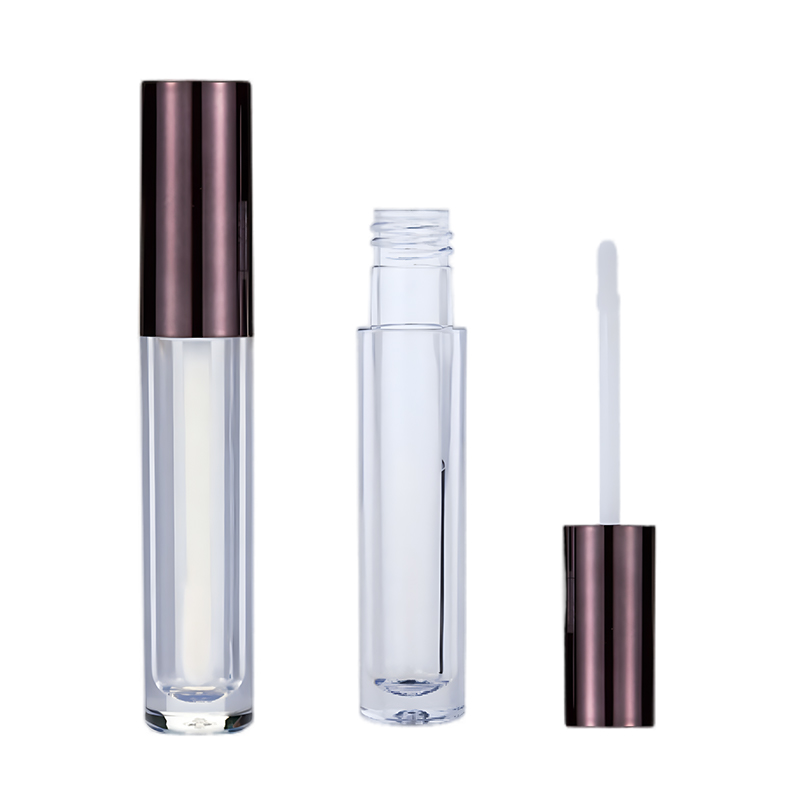
Here is the technical truth. An empty lip gloss tube manufacturer is not just filling a shell; they are engineering a fit system. The neck, cap thread pitch, applicator wiper, and stem must hold within a tight tolerance stack-up. When the thread tolerance is loose, torque drops. When the wiper durometer is off, viscosity control fails. Look, it’s simpler than you think, yet it is easy to miss: most traditional fixes chase the symptom (thicker walls, more sealant) instead of the root cause—dimensional drift in injection molding and poor cap-wiper alignment. Add in mixed material choices like PCR resin with different shrink rates, and you get long-tail defects—funny how that works, right?
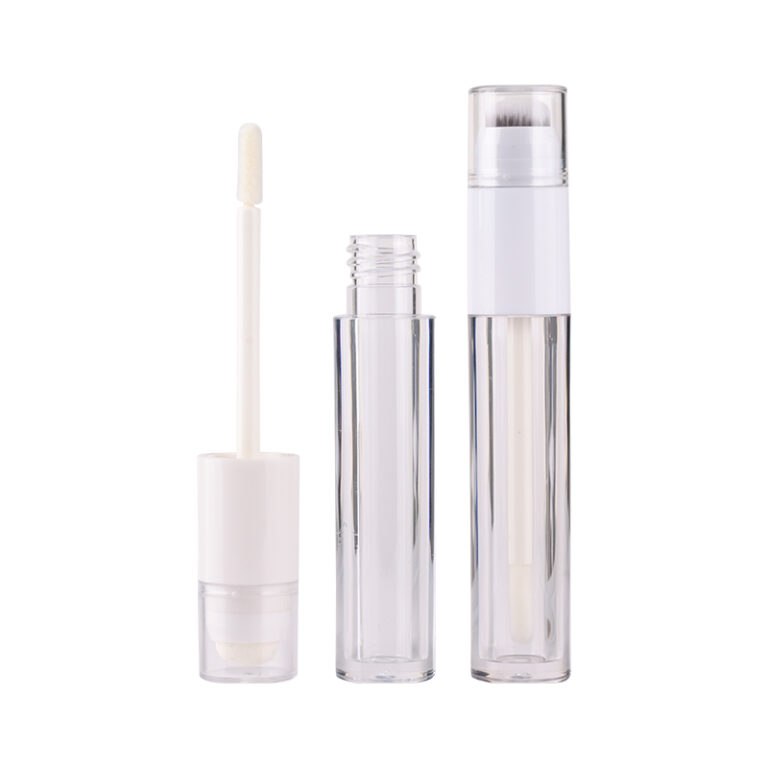
There is also a second pain point that hides in plain sight: line changeover. When wipers are inconsistent, high-speed capping must slow, or scrap climbs. EVOH barrier layers can warp with the wrong cooling profile; then labels do not sit flat. And when QA is only end-of-line, you find out late. A better approach uses in-process gauges, simple go/no-go fixtures, and first-article checks per ISO 22716 workflows. Teams that move these checks upstream cut rework and returns. They also reduce the need for manual re-torquing after transport. The result is not fancy, but it is stable—and stability is what buyers remember.
Part 3: Comparative Outlook and New Principles
What’s Next
Looking forward, the shift is from “final inspection” to “design-led control.” New tooling principles help: modular cores reduce cavity variance, inline vision spots micro-flash at the neck, and digital torque monitoring flags cap slippage in real time. In short, process capability becomes a product feature. When you compare vendors, one pattern stands out—those who share cavity-level SPC data beat those who only share pretty samples. Partner with a lip gloss tubes supplier that treats data like a first-class part. Not a dashboard for show, but a tool to lock wiper force and thread engagement before a single pallet ships. Small change, big result—yes, really.
For teams ready to evaluate options, use three clear metrics. First, dimensional Cp/Cpk on neck ID, thread pitch, and wiper orifice, reported by cavity. Second, leak and torque performance after thermal cycling and vibration—compare by lot, not just by sample. Third, changeover time at your line speed, with proof that applicator stems hold spec across PCR and virgin resin blends. These measures reveal more than a brochure ever can, and they travel well across projects—because consistency is the real innovation. Choose the partner who wins on the numbers and shows their work. The brand experience depends on it, quietly and completely. NAVI Packaging