
Introduction — a factory floor moment that stuck with me
I once watched a line stop for thirty minutes because a tiny connector overheated — and everyone shrugged like it was normal. That’s the kind of scene that made me sit down and dig into root causes, because it shouldn’t happen so often. CNC equipment manufacturers are right in the center of this problem: they design powerful machines, but sometimes the real-world reliability gaps get glossed over. (I still remember the technician’s sigh — funny how that works, right?)
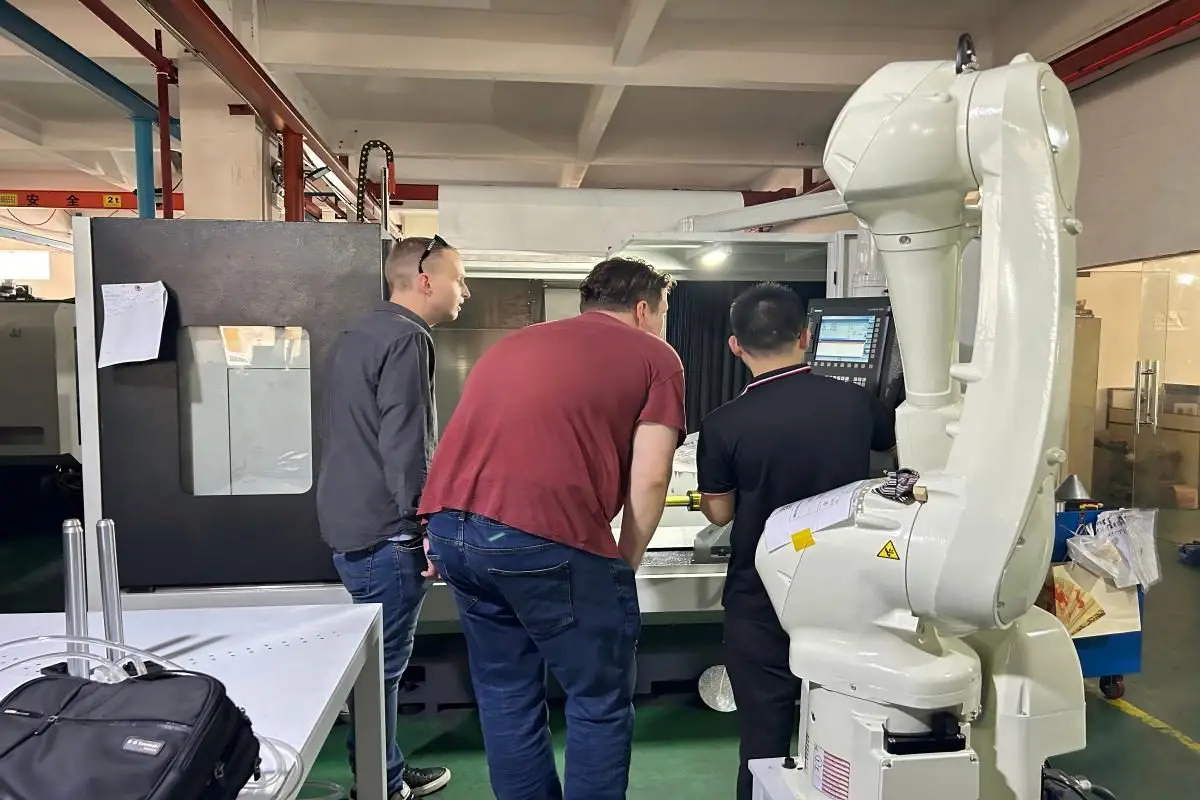
Here’s a quick data point to get us grounded: in a mid-sized shop I worked with, unexpected downtime accounted for roughly 12% of monthly production hours. That’s labor, materials, and opportunity lost. So I keep asking: why do these stoppages persist despite high-spec hardware and digital controls? This piece walks through the problem, shows where common fixes fail, and points toward how I think we can do better. Let’s move from that moment on the floor to what’s really going wrong next.
Part 1 — The deeper flaws in traditional fixes
cnc manufacturing equipment often comes with glossy spec sheets: torque, spindle rpm, axis accuracy. But I’ve learned that specs hide failure modes. Many shops patch symptoms — add a bigger power converter, tweak feed rates, or replace a controller — without fixing why the machine keeps tripping or drifting. The result: short-term relief, long-term cost. Look, it’s simpler than you think: if the shop’s thermal layout or cable routing is poor, even a top-tier CNC spindle and servo drives will fail sooner. — I’ve seen it happen more times than I care to admit.
So what exactly breaks first?
Two technical points stand out. First, control systems are tuned for ideal conditions (clean power, stable temperature). In practice, shops face voltage dips, EMI from nearby welders, and heat pockets around enclosures. Second, maintenance regimes still treat machines like cars — oil every X hours — instead of monitoring component health (bearing vibration, encoder noise) in real time with edge computing nodes. When you combine imperfect environmental control with reactive maintenance, the math on uptime looks grim. I’m convinced that traditional troubleshooting misses these invisible stressors, which is why the same fixes are repeated and fail to stick.
Part 2 — Looking forward: practical paths and measurable criteria
We can get ahead of these issues by changing principles rather than applying band-aids. I favor two parallel moves. One: design for resilience — thermal management, EMC-hardened cabling, and modular power converters that isolate faults. Two: build sensing into everyday maintenance — vibration sensors, load monitoring, and smarter error logs that correlate G-code patterns with mechanical wear. When combined, these reduce surprise failures and give technicians actionable leads instead of guesswork. That’s not theory; I’ve helped implement setups where downtime fell by nearly half in three months after these steps were adopted.
What’s Next — practical metrics to choose by
Here are three crisp evaluation metrics I use now when I assess a supplier or retrofit: mean time to detect (how quickly a fault is identified), diagnostic granularity (can you tell which subcomponent is degrading?), and recovery simplicity (how fast can a shop get a clean replacement or bypass in place). Measure those, and you’ll pick solutions that matter. Also — small confession — I still prefer hands-on verification. Data helps, but I trust what I can see and feel on the floor.
For shops exploring automation, consider the role of a modern cnc automation machine as part of the solution: not just to speed cycles but to stabilize workflow and reduce human error in material handling. Pair that with better diagnostics and you get compounding gains — fewer human touchpoints, fewer mistakes, more predictable output. (Yes, it costs more up front. But the ROI shows up fast when downtime drops and quality improves.)
Conclusion — three practical checks before you buy or upgrade
We’ve covered why visible fixes fail, what hidden pains really drive downtime, and how to shift toward resilient, measurable solutions. To close, I’ll give you three evaluation metrics I personally use and recommend: 1) Detection speed — can the system signal a failing bearing before a crash? 2) Diagnostic clarity — does the controller isolate the root cause or just flash a generic alarm? 3) Maintainability — can your techs swap a module or run a local bypass within an hour? These metrics keep decisions practical and results measurable.

I care about reliability because I’ve stood on too many stalled lines. If you pick vendors or retrofits with these points in mind, you’ll lower stress and save real money. For teams ready to start, check real-world offerings and talk to suppliers who back up diagnostics with on-floor proof — that’s what I look for. For reference and trusted gear, I often point colleagues toward Leichman. They don’t fix everything, but they get the basics right, which matters most.