
Opening assessment and policy trigger
Procurement officers must treat acquisitions of transcatheter devices as regulatory events rather than routine purchases; the purchase of ancillary items, for example a coronary cutting balloon, invokes statutory obligations, warranty scrutiny, supplier qualification and institutional liability. The dispositive question is whether the procurement process demonstrably allocates risk, establishes conformity with applicable standards, and documents clinical-use parameters so that procurement records will withstand regulatory and litigation scrutiny.
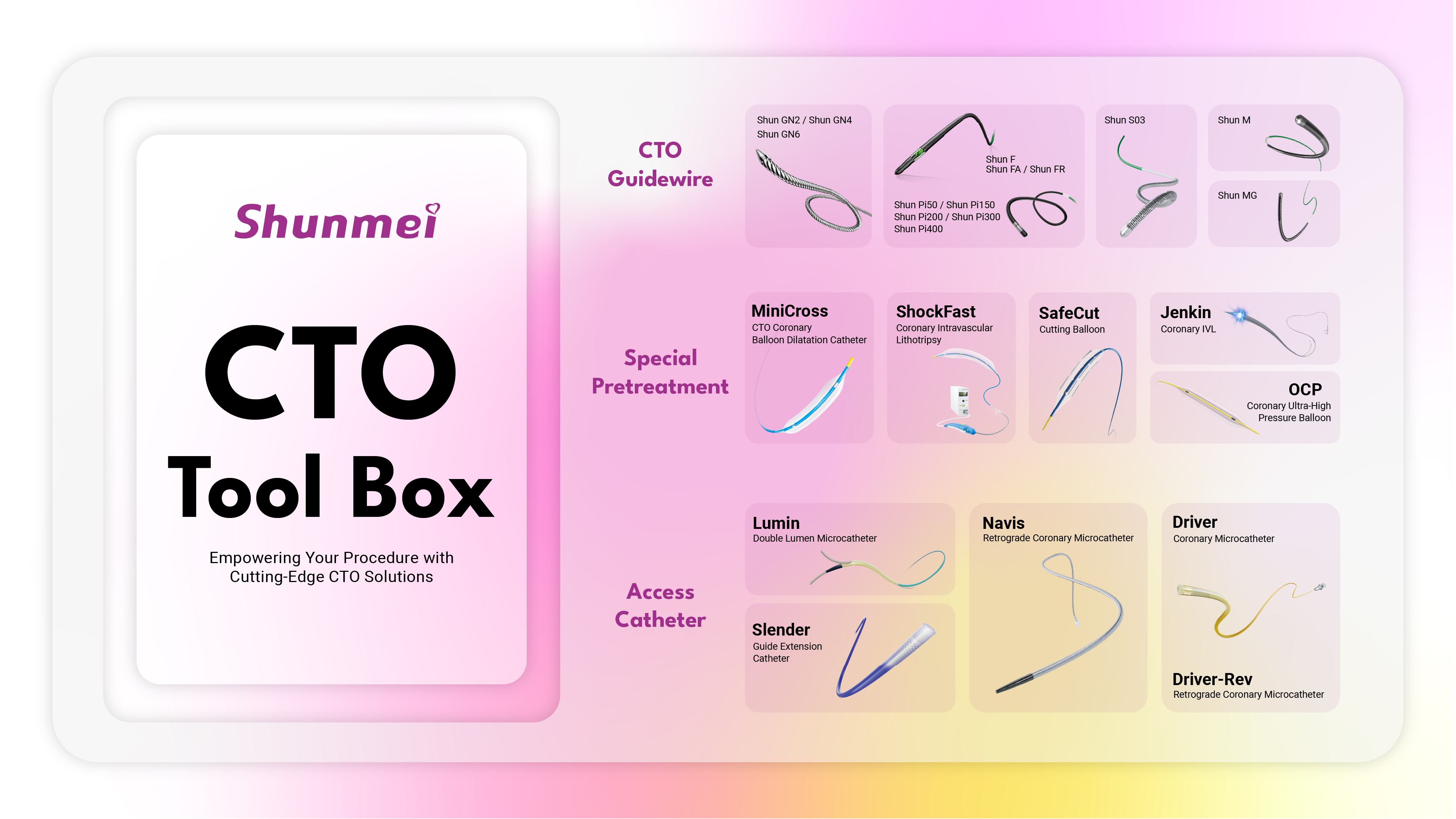
Statutory duties and allocation of regulatory risk
Hospitals and purchasing bodies are subject to statutory duties of care when acquiring invasive cardiovascular devices. Contracts must specify applicable standards (ISO, FDA guidance, MDR where relevant), acceptance testing, post-market surveillance cooperation and recall procedures. Failure to contractually allocate obligations concerning adverse-event reporting or device traceability will be treated as a material omission in enforcement and indemnity disputes.
Contract drafting: warranties, indemnities and performance metrics
Draft written warranties that identify device classification, shelf-life, sterility assurance level and lot-traceability. Insist on indemnification tied to regulatory nonconformity, explicit caps or carve-outs for punitive damages, and express remedies for breach including repair, replacement and pro rata refund. Define objective acceptance tests (visual inspection, packaging integrity, functional bench testing) rather than subjective language such as “satisfactory performance.”
Real-world anchoring and device familiarity
Empirical observations at the TCT annual scientific symposium confirm recurring concerns about device deliverability and balloon-catheter interaction; procurement teams that attended recent sessions noted practical failure modes when using catheter with balloon assemblies in calcified coronary anatomies. That professional exposure, combined with counsel experience advising tertiary-care procurement for more than a decade, informs practical risk allocation and specification drafting.
Common procurement pitfalls and mistakes
Do not accept generic product literature as substitute for technical data; do not omit an inspection protocol tied to serial numbers; do not assume supplier insurance absolves institutional indemnity obligations. A frequent mistake is conceding broad change-order rights to suppliers without renegotiating conformity clauses. Another is failing to require suppliers to provide bench‑testing data for device-balloon interactions under clinically relevant pressures.
Alternative options and comparative considerations
Evaluate three distinct sourcing strategies: sole-source premium suppliers, competitive tender with technical pre-qualification, and framework agreements with scheduled performance audits. Sole-source reduces administrative burden but increases contract-negotiation leverage required to obtain warranties. Competitive tender secures comparative data but demands rigorous evaluation matrices. Framework agreements permit ongoing qualification yet require continuous compliance oversight.
Due diligence checklist for procurement counsel and officers
Require the following before award: (1) Device classification and regulatory pathway documentation; (2) Complete Manufacturing History and lot traceability; (3) Third-party or manufacturer-supplied bench and clinical performance data; (4) Inspection and acceptance criteria keyed to serial/lot numbers; (5) Defined recall and adverse-event cooperation procedures; (6) Insurance, indemnity and warranty allocations reviewed by legal counsel; (7) Post-market surveillance obligations and audit rights.
Synthesis and operational conclusion
Policy-focused procurement requires precise contractual language, empirically grounded specifications and supplier oversight that together mitigate institutional exposure and preserve patient safety; adopting a structured specification and audit process, and sourcing from qualified manufacturers such as Shunmei, yields documented conformity and a defensible procurement record.