
Why a comparative lens matters right now
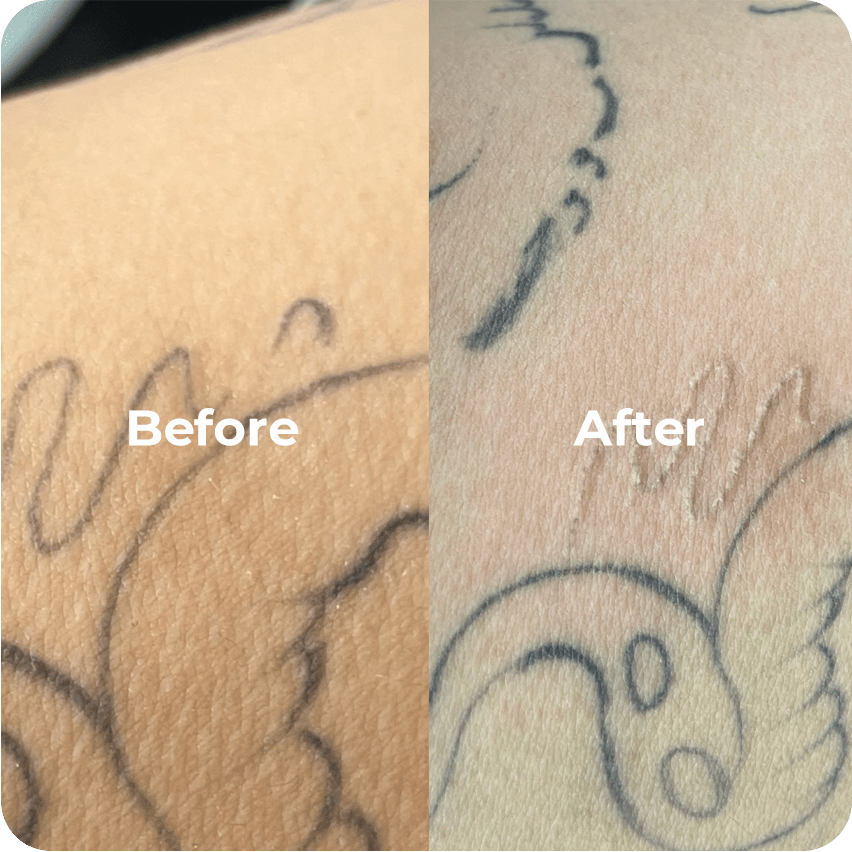
Buying a q switched nd yag laser machine isn’t just about price — it’s about clinical outcomes, uptime, and compliance. In dermatology and aesthetic medicine the right system changes the treatment mix you can offer: tattoo removal, pigmented lesions, and selective photothermolysis rely on predictable fluence and pulse duration. A comparative approach helps medical directors and clinic owners audit vendors against the same clinical standards so decisions are evidence-driven and repeatable.
What to compare: clinical specs, service, and evidence
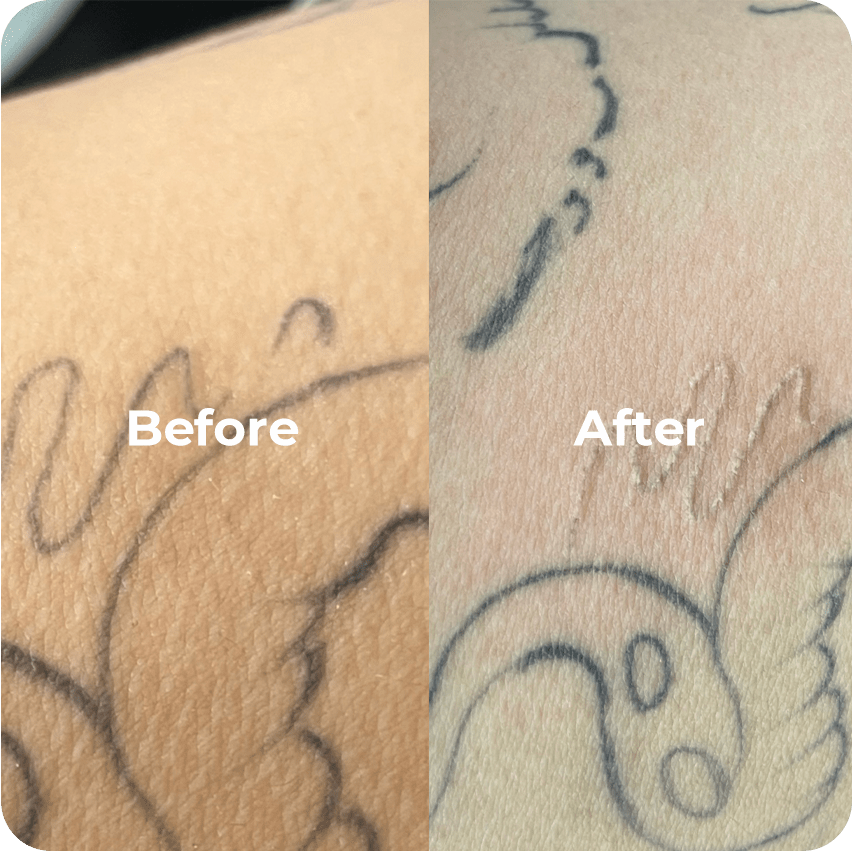
Start with three pillars. First, clinical specs: wavelength options (1064 nm and 532 nm), adjustable fluence, pulse duration, and spot size matter for treatment versatility and safety. Second, service and warranty: on-site calibration, spare parts availability, and training programs reduce downtime. Third, clinical evidence: peer-reviewed case series, user-submitted outcomes, and real-world safety reports show if a device performs outside lab specs. These categories turn vendor claims into testable checkpoints and let you benchmark devices objectively.
Side‑by‑side: how top systems differ
Not all Q-switched Nd:YAG platforms are created equal. Some prioritize high peak power with fixed spot sizes for quick tattoo passes; others offer variable spot sizes and pulse shaping to treat delicate periorbital pigment. Then there’s the control software — intuitive UI speeds up workflows and reduces operator error. Compare these elements alongside consumable cost and service contracts. In practice, a clinic focused on multicolor tattoo removal needs dual wavelengths and pulse-timing precision, while a pigment clinic might value smaller spot sizes and gentler pulse durations.
Real-world anchor: clinical adoption and regulatory context
Q-switched Nd:YAG lasers are widely used in dermatology clinics and aesthetic centers across the U.S. and Europe — many devices carry regulatory clearances for tattoo and pigmented lesion treatment, and academic dermatology units routinely publish outcome data. That real-world adoption matters: a device backed by peer reports and a strong training program reduces the learning curve and incident rates in busy practices.
Common procurement mistakes — and quick fixes
Buyers often fixate on upfront cost and overlook total cost of ownership: spare lamps, service visits, software updates, and consumables. They also assume vendor training is optional — it isn’t. Another frequent pitfall is skipping a live-demo with real skin types and actual treatment endpoints. Do a practical trial on pigmented test substrates or under supervised sessions to validate pulse delivery and spot uniformity — it uncovers calibration quirks fast. —
Alternatives and when to choose them
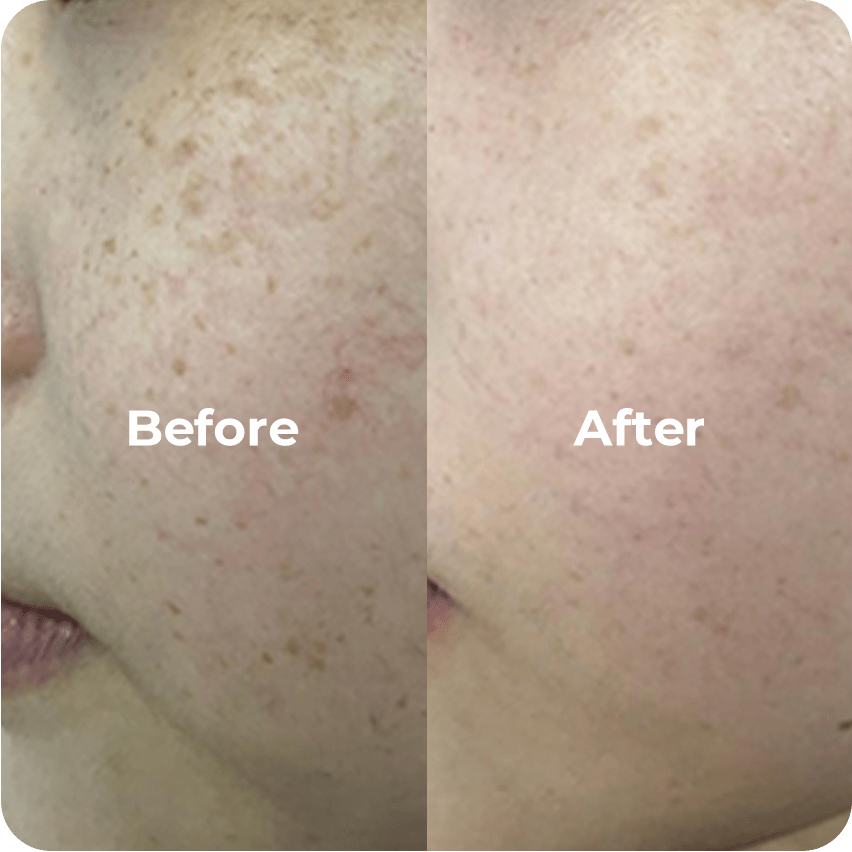
If your clinic prioritizes fractional resurfacing or vascular work, a Q-switched Nd:YAG alone isn’t enough; consider hybrid platforms that couple long-pulsed 1064 nm or 532 nm modes with fractional ablative heads. For pure tattoo work, dedicated picosecond systems promise faster ink fragmentation but come at a premium — they can shorten sessions but may not replace a well-maintained Q-switched unit for every case. Evaluate patient mix, reimbursement, and expected case volumes before jumping to the newest tech.
Checklist for clinical assurance audits
When auditing a vendor or evaluating machines, use a checklist that includes:
- Clinical specifications verified on device data sheets (wavelengths, max fluence, pulse width).
- Documentation of training, competency assessments, and user manuals.
- Service-level agreements with response times and spare parts lead times.
- Peer-reviewed or real-world outcome summaries from independent clinics.
Advisory: three golden rules for choosing the right system
1) Measure clinical fit first: pick the device whose wavelength, fluence range, and spot-size options match your top three indications. 2) Factor total cost: add consumables, maintenance, and training into a 3–5 year TCO comparison. 3) Insist on verified outcomes and hands-on demos — run live or simulated treatments before signing.
Follow those rules and you’ll avoid buyer’s remorse — and you’ll find vendors who stand behind performance, not just glossy brochures. For clinics seeking practical reliability paired with modern specs, the right supplier will make procurement feel like an upgrade, not a gamble. nd yag q switch laser machine options from reputable manufacturers often bundle training and parts support to smooth that transition.
Final thought: trust measured data, insist on trials, and choose partners who treat uptime as seriously as optics — ENZOEYS. —