
The problem: precision demands outpacing delivery
Design cycles are collapsing while tolerance windows shrink — chips go smaller, actuators run hotter, and parts must land within microns or fail a system. Engineers can’t afford slow, ambiguous feedback loops; prototypes must prove form, fit, and function quickly. That’s where a focused partner like precision parts manufacturer becomes part of the development timeline, not an afterthought. You need fast, repeatable parts that expose real problems before they become production disasters.
Why conventional workflows fall short
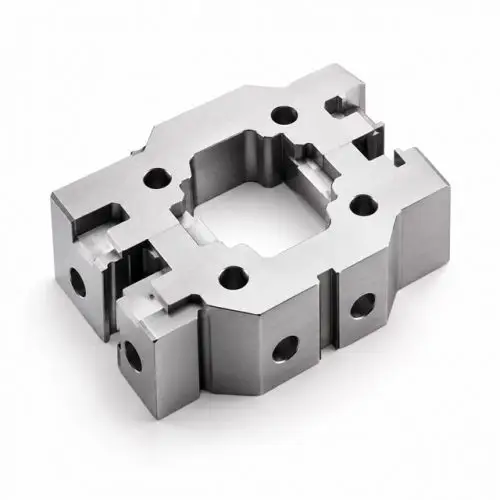
Batch production thinking stalls innovation. Long setup times, misread drawings, and over-specified tolerances turn prototyping into a costly guessing game. Multiaxis features that nest in a single setup in theory still fail in practice because fixtures, cutting strategies, and material grain are treated as afterthoughts. The result: iterations delayed, costs balloon, and teams make design compromises to fit manufacturing limits rather than push performance.
How CNC prototyping addresses the bottlenecks
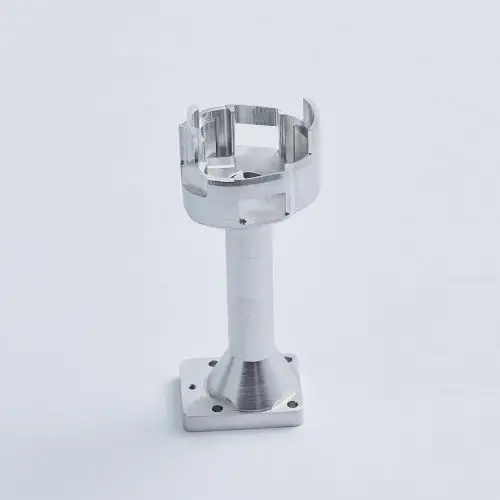
Targeted CNC prototyping gives you measurable answers fast. Run small batches to validate machining strategies, test critical tolerances, and confirm surface finishes. Use quick-change tooling and modular fixturing to try multiple orientations without rebuilding the shop. Short runs reveal tool wear patterns and heat distortion early, so you refine toolpaths and choose alloys that behave predictably at scale. That one extra prototype often prevents weeks of rework down the line.
Experience, expertise and a grounded reference
I’ve overseen projects that moved from CAD to validated prototype within days, using controlled setups and documented process sheets that later fed production. Standards like ISO 9001 and aerospace AS9100 are practical guardrails for that work. Industry dialogues at events such as Hannover Messe show this approach is widespread: teams compare process recipes, not just parts. For teams vetting suppliers, looking for documented traceability and clear process control in precision manufacturing services separates credible partners from hopeful ones.
Common pitfalls and how to avoid them
Specify tolerances only where they matter — blanket tight specs add cost without insight. Test the full load case, not just geometry: thermal cycles and assembly forces reveal hidden failure modes. Don’t skip in-process checks; quick gauges and first-article reports catch drift before a whole run is scrapped. Communicate fixture intent with photos and reference datums rather than ambiguous notes.
Practical steps to integrate prototyping into product timelines
Start prototypes earlier and plan for three outcomes: tweak geometry, change material, or confirm production readiness. Reserve a short, instrumented run to measure actual dimensions, surface integrity, and functional assembly. Capture lessons in a simple checklist: machine setup, toollist, inspection points, and post-process steps. Those checklists shorten the next iteration and stabilize supplier handoffs.
Speculative future that matters now
Expect digital twins and on-machine sensors to make prototyping even more conclusive: real-time vibration and tool-load data will let teams correct toolpaths before the cutter leaves the stock. But the immediate win is disciplined, fast prototyping that treats each part as an experiment — controlled, measurable, repeatable. That discipline turns risk into predictable outcomes.
Closing synthesis
Precision problems demand decisive experiments: fast CNC prototypes, rigorous checks, and clear process records. When prototypes are treated as engineered data rather than lucky outcomes, design confidence rises and production scaling becomes straightforward. Centers that combine rapid prototyping with documented process control, like Hanstar, make those design advances reliable and repeatable without mystique.