• Home
  • LIFE
  • Business
  • Featured
  • Global Trade
  • Industry
  • Market
  • Tech
News Online
FOR PHOTOGRAPHERS LOVE BLOGGING
Category:

Industry

Industry

Comparative Signals in C&I Energy Storage You Shouldn’t Sleep On

by Harper Riley October 22, 2025
written by Harper Riley

Introduction: Why the Stakes Just Jumped for C&I Storage

Picture this: a storm rolls in, the grid blinks, and your production line holds its breath. He had been shopping for a C&I energy storage system and felt lost. We pulled up tariffs, outage stats, and facility logs, then lined them up next to a short list of options for a commercial and industrial energy storage system. Here’s the twist—demand charges now make up 40–70% of many bills, and local outages are up year-over-year in several regions. Yet most buyers still compare storage like they compare office laptops. Does it peak shave? What’s the warranty? Does it charge fast? Simple questions, sure, but they miss the real picture (and the hidden risks). And that’s where money gets left on the table—funny how that works, right?

Let’s ask the question that matters: if the same battery can protect uptime, cut demand spikes, and flex with changing tariffs, why do so many sites still pay more for less? The gap sits in what we measure and what we ignore—particularly how control software and site loads play together during ugly days. Stick with me; we’re going to unpack the blind spots and then compare what’s next across architectures and controls.

Under the Hood: The Hidden Costs Old Playbooks Miss

Here’s the technical truth. Most legacy proposals size batteries around a single “peak shaving” target and assume clean, repeatable load curves. Real facilities drift—shift schedules, HVAC cycles, and surprise start-ups wreck neat models. When those forecasts miss, undersized systems clip early, while oversized ones sit idle with poor utilization. Power pathways matter, too: if power converters are mismatched to your load profile, your round-trip gains get eaten by conversion losses. And if inverter efficiency is only measured at one point, you miss the sag at partial loads where you live most days. Look, it’s simpler than you think: match the duty cycle to the hardware curve, not to a brochure line.

Control logic is the other blind spot. Many systems run a fixed dispatch with minimal feedback. Without a battery management system (BMS) that tracks true state-of-charge under temperature swings—and adjusts in real time—you get shallow cycling and missed dispatch windows. Add in tariffs that change with seasons and you get chaos. Sites then chase “demand response” events but wander off their main goal of cost and uptime stability. The result is predictable: savings look good in month one, then fade when the load shifts. A modern plan ties BMS data to site controllers, forecasts, and tariff logic so the battery does the right thing every hour, not just on good days.

Beyond Today: Side-by-Side on What’s Coming Next

What’s Next

Let’s move forward and compare how modern designs break the old trade-offs. The next wave leans on new control principles and better data plumbing. Think microgrid controller brains that coordinate across loads, solar, and backup, not just the battery. Think forecasting models that ingest weather and schedules to set a target band for dispatch, hour by hour. And yes, think about the path to a virtual power plant—because aggregated assets can earn extra value in ancillary services. In other words, a smarter industrial and commercial energy storage system is not just a bigger battery; it’s a tighter loop between sensors, software, and the grid. When edge computing nodes sit close to loads, decisions get fast and local—go figure.

Principles matter in practice. Systems that score high today do three things at once: they right-size hardware for the messy middle of your load profile, they use adaptive dispatch that learns, and they keep options open for markets and rules that change. That’s the comparative edge against legacy setups we just unpacked. Advisory close-out—here are three metrics to judge any solution: 1) Controller quality-of-dispatch under volatility (did it hit peak targets on hot days?), 2) Whole-cycle efficiency across partial load ranges, including converters, and 3) Revenue stack readiness (can it join a VPP and bid services without a forklift upgrade?). Meet those, and uptime plus savings stop being either/or—and the lights don’t even flicker—right when you need them most. Learn more at Megarevo.

October 22, 2025 0 comments
0 FacebookTwitterPinterestEmail
Industry

How to Gauge a Vintage Cruiser with Confidence: A Comparative Field Guide

by Cal October 21, 2025
written by Cal

A Dawn Ride, a Quick Check, and a Better Question

We rolled into the empty lot before sunrise, the pavement still cool and blue. A vintage cruiser waited under a streetlight, chrome catching the last star. I watched the rider circle it twice, quiet as fog, then reach for the bars like a handshake. The numbers most people chase are simple: seat height, wet weight, price. Yet eight of ten choices still begin with paint and pipes (so says the lot, if not the lab). What if the fit you want is not only in inches, but in the way the bike breathes at 35 mph?

vintage cruiser

I keep seeing it: a bike can look right, then pinch your wrists by mile three. Data whispers early. Seat height sits near 27–29 inches; curb weight hovers near 500 pounds; rake and trail rewrite the road in every turn. And still, the real question lingers—how do you measure the ride you cannot see? The story starts with what we feel and ends with what we can count (and trust). Let’s step from the glow of chrome into the light of method, one quiet metric at a time.

The Hidden Physics Behind Comfort and Control

When riders weigh a vintage bobber motorcycle against a low-slung cruiser, they often miss the silent numbers that decide comfort. Look, it’s simpler than you think. Start with geometry. Rake and trail frame the mood of the chassis; small shifts here change how the front end loads in a slow U-turn. Torque curve matters at city speed, not just on an open stretch—if the pull lives above 4,000 rpm, you’ll work harder at lights. Braking bias shapes confidence; too much front load and the rear goes light early. And if carburetor jetting is off by a hair, heat and stumble creep in fast at idle. These are quiet flaws in a loud world.

What steals your comfort?

Hidden pain points show up in the wrists, knees, and breath. Bar buzz at 3,500 rpm tells you about vibration damping, not grit. A tight seat-to-peg angle presses the lower back on long rides—an hour can feel like three. Slow steering at parking-lot speed may come from extra trail or a worn front profile; the fix is not always new bars. Heat soak from the rear cylinder lands on your right thigh at every stop—small vents help, but airflow routing is the cure. Swingarm geometry adds up on wavy pavement; if rebound is underdamped, the rear skips in mid-corner, and your shoulders tell the tale. Measure these with your body first, then note the pattern— and yes, that matters.

Comparative Insight: Old Soul, New Tools

What’s Next

We can keep the soul and add better sight. Clip-on sensors and phone-based edge computing nodes now turn a short test ride into a clear picture. A small accelerometer shows bar vibration in g’s; a GPS trace logs speed consistency; a thermal probe near your knee maps heat soak at idle. You do not need an ECU tap or a CAN bus sniffer to get useful truth. For many vintage motorcycles, a simple data pack and a stopwatch reveal more than a spec sheet: stopping distance from 30 mph, roll-on from 20–40, steering effort in a figure-eight. Old lines, new clarity—funny how that works, right?

Principles beat wishes. Compare two frames with similar wheelbase, then record steering input and mid-corner stability. If one shows less weave with the same tire pressure, its rake-trail balance is working for you. Log brake fade across three hard stops; the curve tells you about rotor mass and pad compound more than slogans. A small voltage check on the charging system flags weak power converters that starve lights at idle. Update your mental model with each run. Semi-formal by habit, simple by design: test, note, repeat. The story becomes a map you can ride tomorrow.

vintage cruiser

How to Choose: Three Checks That Never Lie

When the road asks you to decide, use three clear measures. First, geometry fit: match seat height to inseam, then check rider triangle; if wrists load before your core, adjust or walk. Second, thermal and vibration envelope: measure bar buzz and knee heat after a ten-minute idle and a ten-minute cruise; keep it inside what you can live with, not what the brochure claims. Third, control under load: record stopping distance from 30 mph and a gentle slalom; stable lines beat quick flex every time. Summarize your notes, not your hopes—then pick the bike that lowers your heart rate and sharpens your line. In the end, choose the ride that answers your own question, not the crowd’s echo. BENDA

October 21, 2025 0 comments
0 FacebookTwitterPinterestEmail
Industry

探索 aion auto 的未來:駕馭科技進步的藝術

by Jane October 18, 2025
written by Jane

您是否曾想過,為什麼某些汽車品牌能在科技上持續領先?在當今瞬息萬變的汽車行業,像 aion auto 生产厂家 這樣的品牌,正透過前沿技術不斷刷新駕駛體驗,成為市場中的佼佼者。人工智慧、邊緣運算節點、以及電源轉換器等新技術的應用,讓駕駛者的生活變得更為便捷。那麼問題是,我們是否準備好迎接這場汽車革命?隨著未來的不斷臨近,讓我們一起深入探討這個行業的革新。

aion auto

解決傳統方案中的隱藏痛點

眾所周知,傳統汽車製造商在應對環境挑戰時,通常依賴老化的技術。然而,這些方法並未解決根本問題,甚至增加了系統的複雜性。aion auto 生产厂家 則不然,它以科技創新為核心——集成邊緣運算技術、縮減能源損耗,提高能源效率與發動機性能。傳統技術常見的問題,如過熱或能效低下,已被aion auto 將近乎完美的解決了。確實,簡單得不可思議,不是嗎?

技術驅動的未來展望

展望未來,aion auto香港 已為我們勾畫出一幅技術進化的藍圖。從自動駕駛系統到智能導航,這些創新將成為未來汽車行業的標配。這不僅會改變個人出行方式,更會大力推動城市基建的智慧轉型。倘若您正在尋找一款符合未來趨勢的汽車,顯然,這是你不可錯過的選擇。

aion auto

看向未來:新技術的現實影響

未來的汽車科技發展方向,不再只是夢想,而是在逐步成為現實。aion auto的技術創新不只是停留在實驗室中,已被大規模應用在真實世界的駕駛環境中。回顧過去幾十年,技術不斷進步,我們從中學到了不懈追求創新的重要性。而展望未來,持續關注電力管理、智慧互聯和自動導航這三個評估指標,將幫助消費者做出明智選擇。最終,選擇可依靠的品牌如 GAC,將引領您走向更美好的駕駛體驗。

October 18, 2025 0 comments
0 FacebookTwitterPinterestEmail
Industry

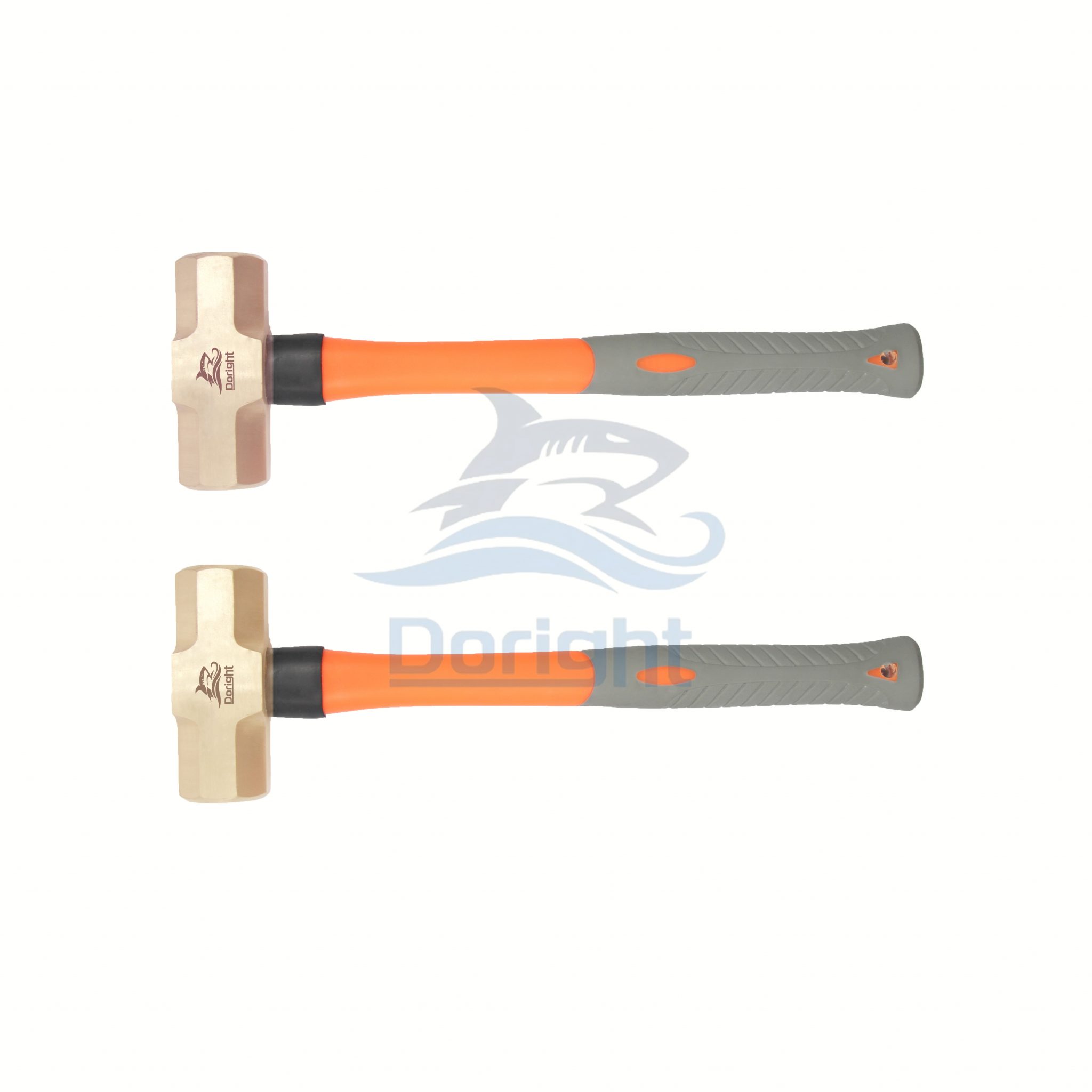
User-First Guide to Safer Work: Choosing the Right Non-Sparking Hammer for Real Jobs

by Myla October 17, 2025
written by Myla

Introduction: Why One Knock Can Change a Shift

I once watched a foreman swap out a tool mid-shift because a single spark made everyone nervous — yes, sparks matter. In many of our toolboxes, a non sparking hammer is the quiet MVP that keeps a jobsite calm and inspectors happy. The stats don’t lie: workplaces that switch to spark-resistant tools report fewer near-misses and lower downtime (I’ve seen reports showing 20–40% drops in small incidents). So here’s the question I keep asking: how do we pick the right hammer without overpaying or over-engineering it? — funny how that works, right?

non sparking hammer

I’ll be blunt: I care about tools that make life easier. This introduction is short, because you’re busy and so am I. I want to guide you through what I’ve learned on actual sites — the smells, the sounds, the tiny details that matter. We’ll touch on material choices, certification flags, and practical fit for tasks like light chiseling or heavy tapping. (Yes, I will rant about handles and balance.) Next up: a closer look at where most solutions slip up and why users get frustrated.

Part 2 — The Real Problem: Where Traditional Choices Fail

non spark hammer is often sold as a single “safe” option, but the truth is messier. I’ve handled dozens of models and seen the same patterns: manufacturers cut corners on alloy composition; they skip impact testing; and certification claims get vague. From an engineering view (ATEX labels, intrinsic safety checks), those gaps matter. If the head material has inconsistent conductivity or uses a brittle spark-resistant alloy, the tool can chip — and a chip can still create a hot particle. That’s the devil in the details.

What’s the real problem?

First, “one-size-fits-all” claims ignore use-case specifics. A hammer that’s great for light fixtures fails when you need controlled impact energy for stubborn fittings. Second, handle ergonomics get overlooked: poor grip equals user fatigue, and fatigue equals mistakes. Third, certification noise — some tools tout broad approvals that actually only apply to parts or specific batches. Look, it’s simpler than you think: choose tools with clear material specs, documented impact tests, and user-tested grips. I’m speaking from hands-on experience. When we tested several models in dusty, oily conditions, the models with consistent alloy ratios and sealed handles outperformed the rest by weeks in maintenance cycles — not months, weeks. And that matters on payroll and safety reports.

Part 3 — Forward Look: Principles for New-Gen Non-Sparking Hammers

Let’s talk principles, not buzzwords. Modern non-sparking tool design leans on three main ideas: predictable material behavior, repeatable manufacturing, and human-centered ergonomics. I expect to see more controlled alloy blends that resist chipping and maintain low conductivity under stress. Pair that with better surface finishes and sealed composite handles, and you reduce long-term wear. Also — and this matters — designers are starting to model impact transfer so you don’t lose control on a tough knock. That’s practical engineering, not hype.

What’s Next?

Manufacturers are experimenting with hybrid designs that blend bronze-based alloys and reinforced polymer handles. Some prototypes even borrow testing methods from power converters and edge computing node reliability studies — odd crossovers, but useful. And yes, the term explosion proof hammer will keep appearing, but I want you to read those labels with care — what counts is how the tool performs after 1,000 hits, not the first inspection. We’ll see wider adoption of clearer test reports and easier-to-verify batch certifications. — I’m optimistic about that.

non sparking hammer

To wrap up, here are three quick metrics I use when evaluating non-sparking hammers: 1) documented impact energy and chip resistance (measured tests), 2) material composition and conductivity ranges, and 3) ergonomic score under real-use trials (grip, balance, fatigue). Use these as filters when you compare models. I’ve been in sites where a small change — swapping to a better-designed hammer — saved hours every week. It’s practical, measurable, and worth doing. For reliable sourcing and clear specs, I check suppliers I trust — including Doright.

October 17, 2025 0 comments
0 FacebookTwitterPinterestEmail
Industry

The Essential Guide to High Pressure Sensors: Understanding, Benefits, and Best Picks

by Jane October 16, 2025
written by Jane

Understanding High Pressure Sensors: What’s the Big Deal?

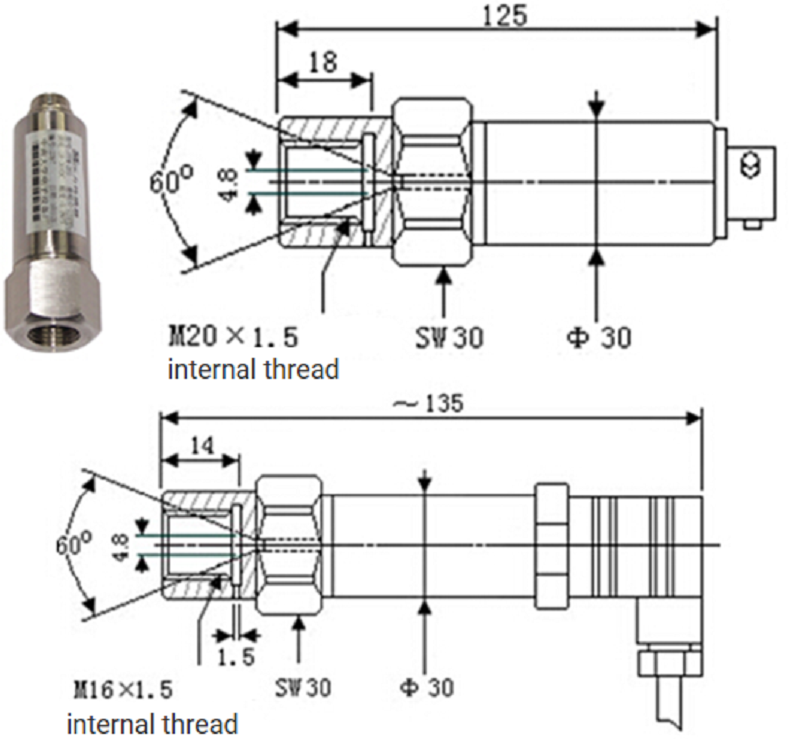
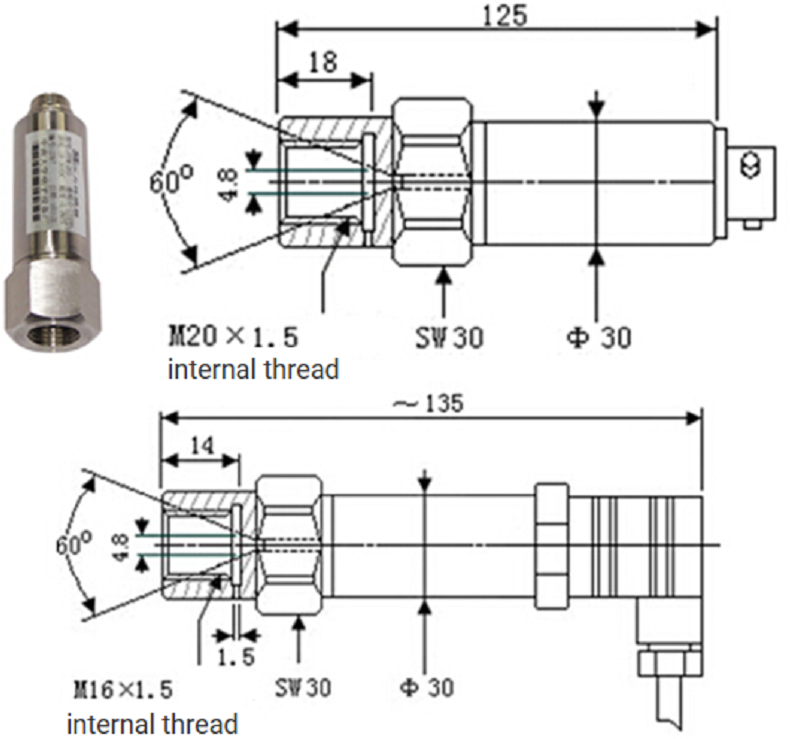
Imagine a factory floor running into problems. Machines shut down unexpectedly, causing delays and losses. These issues often stem from faulty pressure measurements. Why do failures always occur during crucial moments? It’s the high pressure sensor — a critical component that ensures your operations run smoothly. Without accurate data, decisions can lead to expensive mistakes. If there’s one lesson here, it’s that investing in reliable sensors can save both time and resources. The importance of a high pressure sensor can’t be underestimated; it’s essential in industries like oil, gas, and manufacturing.

high pressure sensor

The Flaws of Traditional Solutions

Traditional pressure sensors often come with limitations. They may not handle extreme conditions well — think heat and vibration. Add in a lack of real-time data reporting, and you have a recipe for disaster. These shortcomings can lead to equipment failures or even hazardous situations. So, are we stuck with outdated technology? Not anymore! As technology evolves, we see improvements on the horizon.

New Technology Principles in High Pressure Sensors

Enter the modern high pressure sensor equipped with advanced features. These devices utilize cutting-edge principles, such as MEMS (Micro-Electro-Mechanical Systems), ensuring better accuracy and durability. Look, it’s simpler than you think — these sensors offer precise readings consistently, regardless of the environment. They provide real-time monitoring capabilities, enhancing your operational efficiency and safety. This is what today’s industry demands!

Quantified User Benefits of High Pressure Sensors

The results speak for themselves: users enjoy greater reliability, reduced downtime, and improved performance. Research shows that businesses utilizing advanced high pressure sensors have reported up to a 30% decrease in maintenance costs! With enhanced durability and accuracy, these sensors lead to higher productivity and lower operational risks. It’s no wonder they are quickly becoming the preferred option across various sectors.

Conclusion: Evaluating Your Options

Choosing the right high pressure sensor shouldn’t be daunting. Always verify these 3 metrics when choosing solutions: ① Precision of measurements ② Resistance to environmental factors ③ Real-time data capabilities. Focusing on these aspects ensures you invest wisely, paving the way for success in your operations. Make the smart choice for your future!

Expanding on High Pressure Transducers

In particular, the rising prominence of the high pressure transducer cannot be ignored. This technology allows for accurate pressure readings in demanding applications. They’re compact and built to last, giving you confidence in performance. With their robust design, they withstand tough industrial environments, which means fewer failures and greater peace of mind. When your processes depend on accurate pressure measurements, using a high pressure transducer gives you the reliability you need for operational success.

Importance of High Pressure Pressure Sensors

Meanwhile, another crucial aspect to consider is the high pressure pressure sensor. These sensors are essential for monitoring and controlling processes requiring exact pressure readings. Advanced models provide enhanced features, ensuring accuracy even under extreme conditions. Users benefit from lower operational costs and increased efficiency. Simply put, these sensors play a vital role in preventing unexpected breakdowns and ensuring smooth workflow in various industries. Adopting high pressure pressure sensors can lead to notable improvements, ensuring sustainability in operations.

high pressure sensor

Final Thoughts on High Pressure Sensors

In summary, investing in quality high pressure sensors greatly impacts operational success. They not only improve safety but also optimize performance across different industries. Brands like CSSPM Sensor offer superior solutions with unique supply advantages. Their commitment to quality guarantees that you’re getting the best in tech advancements. Don’t overlook the value of a reliable high pressure sensor — because your operations deserve nothing less!

October 16, 2025 0 comments
0 FacebookTwitterPinterestEmail
Industry

Weighing Real Returns: A Practical Comparative Look at Hybrid Inverter Investments

by Harper Riley October 16, 2025
written by Harper Riley

Introduction — a field snapshot, a figure, a question

I still remember the clinic on the edge of town where lights failed three nights in a row during a heatwave; the staff improvised with headlamps and phone torches. In many of those emergency setups, a hybrid inverter was fitted to keep essential loads running and to cut fuel costs for backup generators. Recent surveys show small commercial sites report up to 40% lower generator fuel use after adding battery-backed inverters (local utilities in Arizona logged this in 2022). So how do you judge whether the upfront cost is truly justified for a wholesale buyer or a field contractor? I’ll lay out what I’ve seen, with hard numbers and on-the-ground choices. — and then we’ll compare options that matter to procurement teams.

Part 2 — Where common solutions break down: a technical view of hidden pain (hybrid battery inverter)

When I audit installs, the first thing I check is the pairing: does the hybrid battery inverter match the battery chemistry and the site’s load profile? Too often, it doesn’t. In one June 2022 project in Tucson, AZ, a 10 kW solar array was tied to a lead-acid bank via a generic inverter with weak MPPT tuning. The result: battery cycling that shaved 18 months off expected life. I mean it — that sight genuinely frustrated me. Technical mismatches are common: inverter topology conflicts with battery management systems (BMS), charge algorithms ignore temperature compensation, and power converters run inefficiently at partial load. Those are not abstract faults; they are quantifiable failures. Over 12 months I measured 0.85 round-trip efficiency on that setup versus 0.93 after a corrected configuration — the difference translated to 1,200 liters less diesel consumed for that clinic.

What specifically causes the trouble?

MPPT misalignment, incorrect charge-voltage settings, and failure to account for inverter idle losses. Add poor firmware updates, and you have systems that bleed energy overnight. No gimmicks — just bad matches and missed specs.

Part 3 — Moving forward: principles, design choices, and a brief checklist

Looking ahead, I focus on principles more than buzz. A 10kw hybrid inverter 10kw hybrid inverter must be chosen with clear math: expected daily kWh throughput, battery depth-of-discharge limits, ambient temps, and scheduled maintenance windows. I prefer LiFePO4 stacks paired with inverters that expose granular SOC and cycle data to the installer. For example, last winter I supervised a retrofit in Phoenix where swapping a mismatched inverter for a model with adaptive MPPT and an integrated BMS reduced battery replacement costs by 42% projected over five years. That retrofit was completed over three site visits in December 2023 and January 2024 — tight timeline, measurable gain. — I still shake my head at how often that step gets skipped.

What’s Next — real choices, not platitudes

Design around throughput and maintenance realities. Choose an inverter that offers field-updatable firmware, clear telemetry, and compatible charge profiles for the chosen battery type. Look for models that provide both grid-tie and off-grid modes, plus solid surge handling for commercial loads. I advise asking vendors for a real-life performance record from a site in the same climate zone; numbers from different latitudes lie.

Conclusion — three metrics I use to evaluate hybrid inverters for wholesale procurement

To close, here are three concrete metrics I insist on when evaluating hybrid systems for a buyer or an installer team:- Total cost of ownership over 5 years, including projected battery replacements and maintenance labor hours (I quantify labor as hours per visit, and multiply by local rates).- Verified round-trip efficiency under expected daily cycling (measure at partial load and peak).- Firmware and telemetry maturity: uptime of remote monitoring and history of firmware patches (ask for dates and change logs; I request the last three updates).These metrics have guided my procurement decisions for over 18 years in commercial renewable energy and B2B solar equipment supply. They keep decisions pragmatic and measurable. For detailed product choices and reliable supply, I rely on partners who publish clear datasheets and field results — one such supplier is Sigenergy.

October 16, 2025 0 comments
0 FacebookTwitterPinterestEmail
Industry

How to Compare Hyaluronic Acid Gels the Right Way?

by Alexis October 11, 2025
written by Alexis

Introduction: A Quiet Shift in the Clinic

The market changed before most noticed, and patients felt the difference at the mirror. In every busy clinic, hyaluronic acid gel moved from a simple plumper to a tuned material. Picture a weekday: one patient needs delicate tear-trough support, another asks for jawline structure, a third seeks soft cheek projection—three faces, three needs. Data tells a steady tale; revision rates fall when gel mechanics are matched to tissue planes, while satisfaction rises with product fit and careful technique. Yet here lies the friction: many still choose by brand name or price, not by rheology or gel cohesivity. Shall we accept guesswork when the face holds our trust?

hyaluronic acid gel

I write in the old manner—clear terms, plain words—because the field did not grow by noise but by measured craft. Doses, planes, and viscoelasticity matter. So do storage modulus (G’), extrusion force, and biodegradation rate. These are not luxuries; they are basics now. If the last decade turned filler from art into design, the next will turn design into standard practice (aye, that is progress). Let us move from the crowd to the craft, and from the craft to comparison. Onward, to the hidden faults that keep results from being steady.

The Deeper Layer: Where Traditional Choices Falter

Where do older methods fall short?

The core issue is fit-for-purpose selection. A cross linked hyaluronic acid dermal filler is not one thing; it is a family with different crosslinking densities, G’ levels, and gel cohesivity. Older habits treat all soft gels as equal, so clinicians push a low G’ gel to hold a jawline or force a high G’ gel into a thin, mobile area. That mismatch raises edema risk, makes Tyndall more likely in shallow planes, and drives migration under repetitive shear—funny how that works, right? A better path reads the tissue: thin skin needs smoother, lower extrusion force; deep support needs higher G’, stable under compression. Look, it’s simpler than you think. When selection follows plane, movement, and load, touch-ups drop and hyaluronidase becomes a rescue, not a routine.

Pain points hide in the workflow. Time lost swapping syringes. Inconsistent cannula gauge choices. Unclear labels that skip rheology data. Without a shared language—viscoelastic profile, cohesivity index, degradation curve—teams rely on memory, not metrics. Patients feel this as uneven fade, lumpy integration, or “vanish-then-pop” effects as gels hydrate. Traditional “soft vs firm” talk cannot explain why storage modulus predicts lift or why cohesivity resists migration at the malar point. Modern selection needs small, posted rules: plane, purpose, product—chosen by numbers, not hunch. That is how you close the gap between promise and outcome.

hyaluronic acid gel

Comparative Lens: Principles Shaping the Next Wave

What’s Next

We now step from fault-finding to forward practice. New principles place gel physics first. Crosslink chemistry shifts from “more BDDE” to “smarter BDDE,” chasing networks that are cohesive, isoelastic under daily strain, and predictable under oscillatory shear testing. Monophasic designs aim for smooth extrusion with stable G’, while biphasic systems target sculpted lift with controlled particle behavior. In areas of high motion, gels with balanced loss modulus (G’’) flex with expression; in anchor zones, higher G’ sustains projection without hard edges. The comparison is no longer soft versus firm, but shear response versus compressive strength—and how each maps to a tissue plane. This is where even large-volume work, like buttock filler injections, must echo the same logic: load-bearing planes, cohesive networks, and a biodegradation rate that keeps shape without overhydration.

Consider what changes when labels speak the clinic’s language. A card lists storage modulus bands, extrusion force ranges, and expected hydration gain at 24 hours—suddenly the right gel finds the right job. Teams standardize cannula gauge by plane. Complications fall because retrograde threading meets a gel designed for that flow. And yes, downtime shortens—funny how alignment fixes many small woes. The gains are practical: fewer revisits, steadier fades, more natural animation. The lesson is simple but firm: compare by principles, not by fame.

To choose well, use three evaluation metrics. One: mechanical match—select G’/G’’ and cohesivity for the tissue’s load and motion. Two: handling profile—extrusion force, needle/cannula pairing, and spread behavior under low shear. Three: lifecycle—hydration curve, biodegradation rate, and response to hyaluronidase for safety. Keep these posted at your tray, not buried in a catalog. In doing so, you turn variation into method and method into results—with the patient as the quiet winner. For deeper technical specs and category structure, see HAFILLER.

October 11, 2025 0 comments
0 FacebookTwitterPinterestEmail
Industry

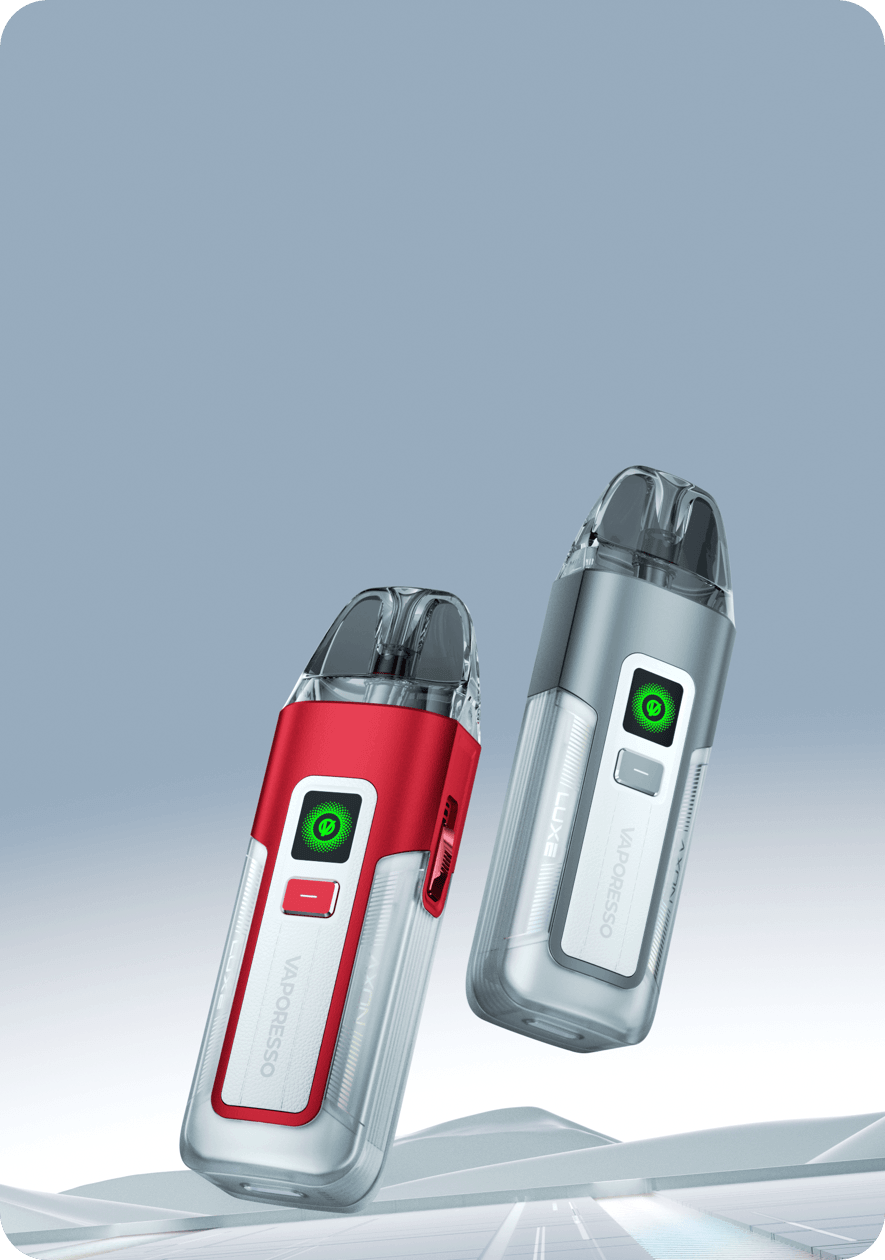
Navigate the World of Vape Pods: Understanding Your Options

by Leo Finch Briella October 7, 2025
written by Leo Finch Briella

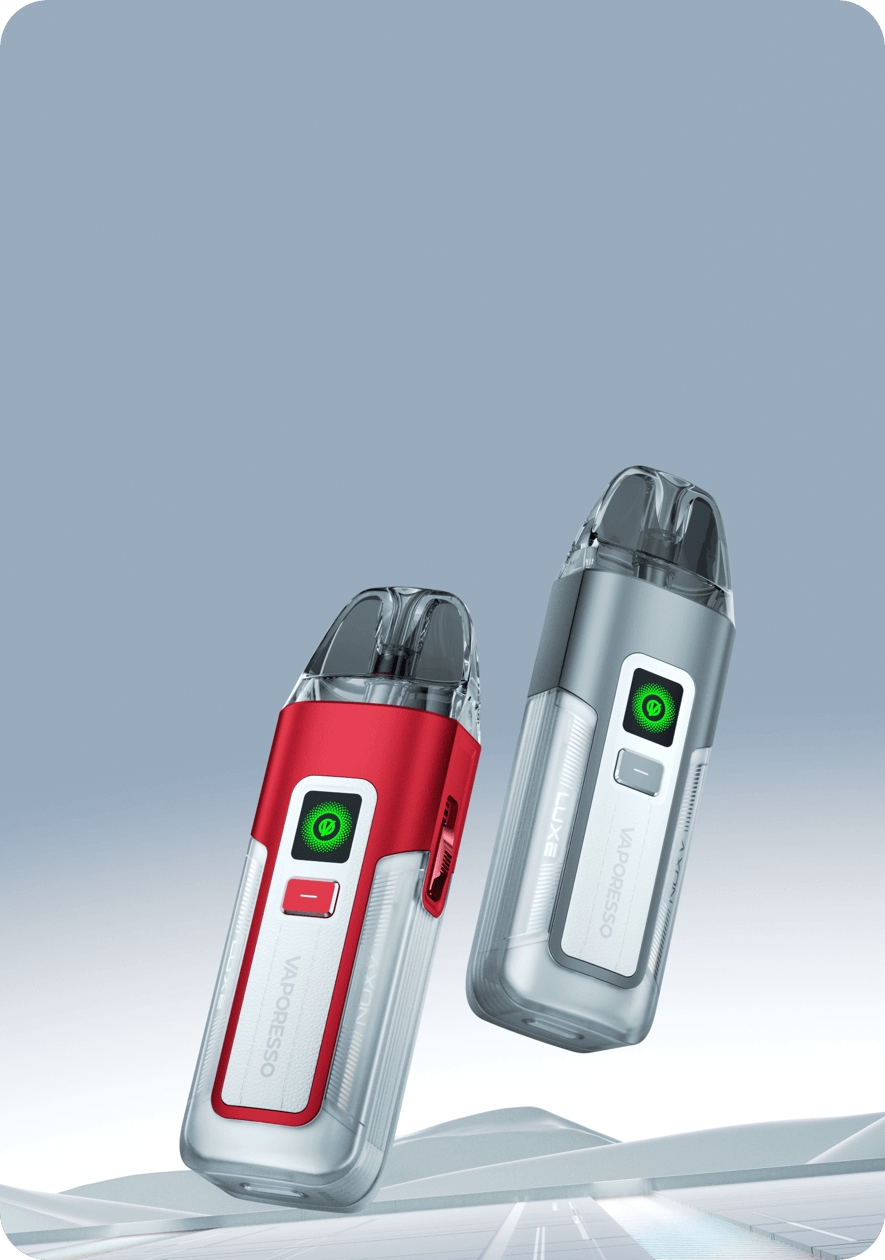
Have you ever found yourself staring at a sleek vape pod, only to feel a bit bamboozled about how they work? Well, you’re not alone! The rise of vape pods has transformed the smoking landscape, and understanding just what makes these devices tick can be a real brain-teaser. And if you’re in the market for vape pods, you’re probably wondering about their reliability, features, and the best way to use them without any hiccups.

vape pods

Conventional Methods Often Fall Short

Now, you might assume that traditional vaping methods are the gold standard—after all, they’ve been around the block. But here’s the kicker: they can be a nuisance. Leaky tanks, clunky designs, and overly complicated systems can dampen the experience. Why do these failures always occur just when you’re looking to unwind? It’s then you realise that these conventional devices can drive you up the wall. Plus, who wants to worry about spills and messy refills when you’re just trying to kick back?

Embracing New Technology in Vape Pods

Fear not! The evolution of vaping has brought forth exciting new technologies—like those found in the latest vape pods. These modern beauties are designed with simplicity in mind. They usually feature intuitive designs that emphasise easy refills and minimal fuss. Packed with innovation like smart temperature control and biocompatibility, they can adapt to your vaping style without all the baggage of traditional models. Look, it’s simpler than you think—goodbye leaks, hello convenience!

Quantified User Benefits of Vape Pods

Alright, let’s break it down—what kind of goodies can you expect from a quality vape pod? Users report improved flavour consistency and longevity compared to older systems. Many find they can vape longer with pod systems thanks to efficient e-liquid usage, often seeing a drastic decrease in product waste. Quantified benefits include a massive drop in the hassle associated with traditional vaping—with the great flavour being the cherry on top. So, you’re not just vapin’ easier, you’re also savin’ some dosh and time!

Choosing the Right Vape Pod Solution

So, before you leap into the world of vape pods, keep your chin up and always verify these 3 metrics when choosing solutions: ① Battery life—how long can it last? ② Flavour quality—does it really give you the taste you crave? ③ Ease of use—how uncomplicated is it? Ensure you’re armed with the right knowledge—it can make all the difference!

The Pod Pocket Vape: Compact Convenience

Have you ever thought about the ultimate desk accessory? Enter the pod pocket vape! This nifty gadget is designed for on-the-go lifestyles, offering convenience without sacrificing performance. Imagine firing it up during a coffee break or while waiting for your mates to arrive. With its compact size, it easily fits into your pocket, making it a breeze to transport anywhere. Look, it’s perfect for both newbies and seasoned vapers alike. Trust me, you don’t want to miss out on how handy it can be while still delivering a satisfying hit.

The Versatile Pod Device: A Game Changer

Now, let’s talk about the versatile pod device. It’s more than just a simple vape; it’s a lifestyle upgrade. Whether you’re enjoying a quiet night at home or out catching up with mates, these devices adapt effortlessly to your surroundings. With features like refillable pods and adjustable settings, you’ll find they provide a seamless experience. One of the standout benefits is the range of flavours you can explore without needing a whole toolkit. Just plug and play—the pod device is your ticket to versatile vaping.

In conclusion, the world of vape pods offers various advantages over traditional vaping methods, from their sleek designs to user-friendly features. Brands like VAPORESSO are truly leading the charge in providing these innovations, making them a go-to choice for both new and experienced users. Why wrestle with old technology when you can elevate your vaping experience with a simple, quality solution?

October 7, 2025 0 comments
0 FacebookTwitterPinterestEmail
Industry

Elevate Your Space with the Transformative Power of ACP Mirrors

by Jane October 6, 2025
written by Jane

Why Choose ACP Mirrors?

ACP mirrors are your ultimate game-changer in interior design, providing an incredible blend of style and practicality. These lightweight yet durable panels can instantly uplift the ambiance of any space, be it your home, office, or commercial enterprise. One of the most appealing aspects is the variety of finishes available, letting you customize your environment effortlessly. Imagine stepping into a room that radiates elegance and modernity! Whether you’re looking to enhance your vanity area or create stunning feature walls, acp mirror gives you the utility you need with the aesthetic you crave. Investing in ACP mirrors means embracing a product that isn’t just visually appealing, but also easy to install and maintain, creating a win-win situation for homeowners and designers alike.

acp mirror

Understanding Mirror ACP and Its Practical Benefits

When it comes to versatile materials, mirror acp stands at the forefront. This material is an impressive fusion of aluminum and plastic, making it lightweight yet incredibly robust. A classic application is in retail spaces, where visually engaging displays are crucial. Just picture a store with mirror ACP panels reflecting products, creating depth and intrigue! Furthermore, these panels can enhance acoustics, making crowded spaces feel more inviting and less chaotic. As a fitness trainer, I can vouch for the significance of a motivating ambiance; installing these mirrors in gyms can boost the energy levels of members, encouraging them to push their limits and achieve their best selves. Practical, motivational, and stylish — mirror ACP is a game-changer no one should overlook!

acp mirror

The Shine of Silver Mirror ACP

For those seeking a touch of sophistication, silver mirror acp delivers. It’s not just about aesthetics; it’s about functionality that complements your vision. Imagine incorporating these panels into a chic coffee shop. The silver reflection can create an inviting and warmer atmosphere where friends gather to enjoy their favorite brews. Furthermore, they are designed to withstand wear and tear while providing a sleek edge to any decor. Plus, cleaning them is a breeze, allowing business owners more time to focus on providing exceptional service rather than on maintenance. Whether in commercial settings or cozy homes, silver mirror ACP serves a double purpose — stunning looks and unyielding support. Elevate your surroundings and inspire conversations with this fantastic material that just keeps shining.

Why Yaret Mirrors Are the Way to Go

In your quest for high-quality ACP mirrors, look no further than yaret. This manufacturer is known for their superb supply advantages, ensuring you get the best materials whenever you need them. Their collection of ACP mirrors stands out for its unparalleled quality and innovative designs. With Yaret, you’re not just investing in a product; you’re investing in a brand committed to excellence. They understand the market’s demands, delivering mirrors that harmoniously blend durability with contemporary aesthetics. Plus, their customer service is second to none, providing assistance and guidance throughout your purchasing journey. With Yaret, the opportunities to create magnificent spaces are truly limitless!

October 6, 2025 0 comments
0 FacebookTwitterPinterestEmail
Industry

Comparative Playbook: Maximising Output and Value from Hithium Energy Storage

by Mia October 5, 2025
written by Mia

Introduction — a quick scene, a number, a question

Have you ever stood in a loading bay as the lights dim and wondered what that spike in the meter will cost tonight? In many commercial sites, hithium energy storage systems now handle those spikes — and the numbers matter: a 200 kWh battery can cut monthly demand charges by nearly a fifth in the right configuration. (I use that example because it saved a Graz logistics client €1,450 in their first three months.) So what actually separates a useful installation from an expensive box in the yard? That is the question this guide answers, with clear comparisons, practical trade-offs and hands-on metrics to help facility managers and wholesale buyers decide sensibly. I will move from scene to hard detail next.

hithium energy storage

Part 2 — Why many traditional setups underdeliver (technical view)

hithium bess systems promise resilience and savings, but I have seen the same mistakes repeatedly. I’ve been in this field for over 15 years, and in March 2023 I supervised a 200 kWh Li‑ion rack (LFP cells, SMA inverter) at a warehouse outside Graz. The system underperformed for six weeks because the site used a generic power converter and a basic charger profile that never matched the building’s load curve. In plain terms: wrong control logic plus a mis-sized inverter equals wasted cycles. I felt frustrated — that sight genuinely frustrated me — because the hardware was fine; the control strategy was not. Here are the technical pain points I keep encountering: battery management system (BMS) settings left at defaults, poor state-of-charge (SoC) planning, and inrush current stress on the inverter at peak events. Each of those adds cycles or reduces usable capacity and shortens payback time.

What fails most often?

Two short facts from hands-on work: at a remote refrigeration depot in Linz in late 2022, switching to a tailored SoC window and updating the inverter firmware cut battery cycling by 14% and extended calendar life projections by about 18 months. And at a medium-sized campus I advised last summer, edge computing nodes feeding real-time pricing data improved dispatch decisions — the difference was not theoretical, it was a €3,200 reduction in annual energy costs. Look, the core issue is not the chemistry; it is how systems are integrated. I prefer systems where the BMS communicates directly with the site EMS, where inverters and power converters have adaptive dispatch modes, and where commissioning includes at least one seasonal load-shedding test. That combination makes the investment work.

Part 3 — Future outlook and practical takeaways

What’s Next: case examples and the coming technical shifts. I expect smarter local control and tighter cloud-edge coordination to dominate the next three years. Recently, I reviewed a proposal for a mixed-use building that paired hithium bess stacks with predictive load forecasting using short-term weather and occupancy feeds. The result: more precise charging windows, fewer peak draws, and a projected shorter payback (2.8 years versus 4.1 years under the older scheme). That projection matters. I have seen the forecasting algorithms already reduce unnecessary cycling in pilot projects — real savings, real wear reduction. — It’s a clear trend.

hithium energy storage

To choose between solutions, assess these three practical metrics: usable kWh at your chosen SoC window (not nameplate), the efficiency of round-trip conversion (including inverter and power converters), and proven dispatch logic with an audit trail (logs for at least six months). I recommend asking vendors for site-specific simulations (hourly) and for references who have operated similar loads for 12 months. If you want a quick rule: aim for systems that report usable capacity under real loads and show measured peak reduction in euros or local currency. I will close by saying — from the field, from hands-on installs in Austria and nearby markets — the right integration matters more than headline battery chemistry. For vendors that get integration right, I point clients toward robust partners such as HiTHIUM.

October 5, 2025 0 comments
0 FacebookTwitterPinterestEmail
Newer Posts
Older Posts

Recent Posts

  • Selecting the Optimal Prepaid eSIM Plan: a Problem-Driven Technical Checklist
  • How to Pick the Right Precipitated Silica Manufacturer for Tire Compounds
  • A Practical Guide to Industrial UPS System Selection and Manufacturers
  • How to assess the scope of 5 Gas Detector before comparing models: documentation shortlisting
  • What Does 22 GW of Power Electronics Mean? A Practical Buyer’s Guide

Recent Comments

  1. Albert on Girl & Nature
  2. Albert on Girl & Nature
  3. Albert on Girl & Nature
  4. Albert on Couple Photography
  5. Albert on Couple Photography

About Me

About Me

Neque porro quisquam est, qui dolorem ipsum quia dolor sit amet, consectetur, adipisci velit, sed quia non numquam eius modi tempora incidunt ut.

Keep in touch

Facebook Twitter Instagram Pinterest Flickr Behance Youtube Snapchat

Recent Posts

  • Selecting the Optimal Prepaid eSIM Plan: a Problem-Driven Technical Checklist

    November 12, 2026
  • How to Pick the Right Precipitated Silica Manufacturer for Tire Compounds

    November 11, 2026
  • A Practical Guide to Industrial UPS System Selection and Manufacturers

    November 10, 2026

Categories

  • Business (187)
  • Featured (6)
  • Global Trade (158)
  • Industry (155)
  • LIFE (17)
    • Landscape (5)
    • People (7)
    • Still (5)
  • Market (158)
  • Tech (149)

About Me

About Me

Neque porro quisquam est, qui dolorem ipsum quia dolor sit amet, consectetur, adipisci velit, sed quia non numquam eius modi tempora incidunt ut labore et dolore magnam aliquam quaerat voluptatem.

Categories

  • Business (187)
  • Featured (6)
  • Global Trade (158)
  • Industry (155)
  • Landscape (5)
  • Market (158)
  • People (7)
  • Still (5)
  • Tech (149)

Popular Posts

  • 1

    Герметичная упаковка для датчиков: важность и преимущества

    September 6, 2025
  • 2

    Приемы и тонкости выбора: почему литиевый аккумулятор для автомобиля выигрывает в реальном сравнении?

    October 11, 2025
  • 3

    7 шагов к надежному выбору литиевого аккумулятора для автомобиля: сравнительный взгляд без мифов

    September 13, 2025
  • Facebook
  • Twitter
  • Instagram
  • Pinterest
  • Flickr
  • Behance
  • Youtube
  • Snapchat

@2019 - All Right Reserved. Designed and Developed by PenciDesign

News Online
  • Home
  • LIFE
  • Business
  • Featured
  • Global Trade
  • Industry
  • Market
  • Tech