
Opening
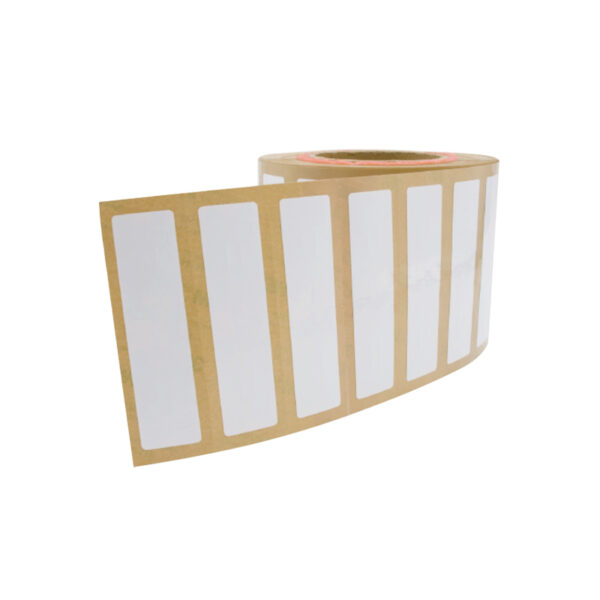
Wherefore a measured scheme is needed when one must appoint a purveyor of active tags, this framework sets forth clear steps and criteria. Begin with the tangible: inspect the intended mounting and marking, for example the printed RFID Labels that will adhere to cases or pallets; such details govern antenna placement, enclosure choices, and testing protocols. The ensuing framework guides the reader from specification to sustained supply, with each stage designed to reveal suitability without conjecture.

Principles to Guide Judgment
Hold to three firm principles. First, match the device physics to the use: range, battery life, and RF environment dictate tag form. Second, require measurable proof: lab reports, repeatable test results, and clear failure modes. Third, demand supply visibility: lead times, manufacturing locations, and quality controls must be explicit. Heed these tenets and the selection narrows to those vendors who provide measurable fit rather than boastful claims.
Define the Use and Constraints
Articulate the precise task the tag must perform. Is the object to track moving forklifts across a yard or to monitor a refrigerated shipment for days? State required read distance, expected battery longevity, temperature range, and attachment method. No supplier choice endures when these requirements remain vague; clarity yields technical comparators instead of rhetorical assurances.
Specify Technical Requirements
List absolute and preferred specifications. Absolute items: frequency band, IP rating, certifications (for instance, ISO or regional radio approvals), and battery replacement or sealed life. Preferred items: form factor variations, sensor integration, and programmability of reporting intervals. Require vendors to supply datasheets, RF test plots, and tolerance ranges rather than single-point claims.
Prototype, Test, and Validate
Procure samples and subject them to context-relevant trials. Run a dry-lab RF sweep, then field trials under operational loads. Log read success rate, false negatives, battery drain curves, and the effect of mounting surfaces. Insist on repeatable test procedures and witness testing when practical. A supplier who resists transparent trials is a supplier you shall not trust long.
Audit Supplier Capability
Examine production processes, quality control, and component sources. Seek evidence of batch traceability and environmental testing records. Evaluate the partner’s after-sales technical support: response SLA, spare-part channels, and firmware update practice. Confirm that the supplier’s manufacturing footprint and inventory policies align with your cadence and risk tolerance.
Negotiate Lifecycle and Commercial Terms
Set terms that reflect the product life: warranties linked to measured battery degradation, defined failure rates for batches, and clear escalation pathways for field issues. Secure pricing that accounts for projected scale and replacement cycles rather than transient promotional rates. Require contractual clarity on intellectual property for custom firmware or antenna designs.
Common Pitfalls and Mistakes
Do not rely upon a single metric. Read range alone misleads when multipath or metal surfaces abound. Do not accept vendor-only test reports without witnessing or reproducing them. Avoid locking into long-term purchase orders without stage gates tied to performance milestones. Overlooking certification or regional radio compliance incurs costly retrofits. These mistakes endanger deployments more than any single technical choice.
Experience, Evidence, and a Verifiable Anchor
I have overseen specification and field validation across logistics sites in Europe and Asia, and have reviewed suppliers at industry gatherings. At RFID Journal LIVE! in Phoenix the evidence of interoperability testing was decisive; practitioners there discussed the same deployment hazards noted above while examining sample rfid chip labels and tag enclosures. Trust must rest upon demonstrated trials, published test data, and verifiable compliance—these constitute the estate of expertise and authority.
Conclusion and Synthesis
Adopt this framework as a disciplined regimen: define needs, demand data, test in situ, audit production, and bind terms to measured outcomes. Such method avoids fads and produces durable selection. When the final choice is required for procurement and operations, the clear record of specification, trial evidence, and supplier readiness reveals the partner fit; thus one attains a working alliance with RSTC that rests upon measured suitability rather than empty assertion.