
Why this comparison matters
I evaluate product choices by asking one clear question: which system gives the outcomes you actually need? A Home Energy Management System (HEMS) focuses on grid-side efficiency and device scheduling; a Smart Home Energy Management System (SHEMS) layers user experience, automation, and device-level intelligence. If your plan includes local generation and storage, factor in how either system will coordinate with a hybrid solar system. My perspective comes from leading residential energy product decisions and from observing large-scale rooftop adoption patterns in California—those deployments reveal practical integration challenges buyers face first-hand.
Core technical differences — a direct comparison
– System scope: HEMS usually manages energy flows and tariffs; SHEMS extends to appliances, comfort, and behavior-driven automation. – Control granularity: HEMS acts at circuit or meter level. SHEMS offers per-device control and richer telemetry. – Data and intelligence: HEMS relies on energy-usage profiles and schedules. SHEMS adds real-time device states, machine-learning routines, and user preferences. – Storage and generation integration: Both can pair with batteries and PV, but SHEMS typically optimizes for occupant comfort and cost simultaneously. Here a hybrid solar system kit can change outcomes: its built-in inverter/charger logic affects whether the management layer or the hardware handles charge/discharge decisions. – Implementation complexity: HEMS is often simpler to retrofit; SHEMS needs device compatibility and more commissioning time.
Buyer priorities mapped to outcomes
– Lower monthly bills: prioritize HEMS features that support time-of-use shifting and direct load control. – Resilience and islanding during outages: confirm battery and inverter support; SHEMS helps if it coordinates generator/backup loads. – Comfort and convenience: choose SHEMS for scene-based automation and voice/phone integrations. – Future-proofing: select systems with open APIs and clear developer docs—avoid vendor lock-in. – Installation and maintenance cost: include commissioning and OTA update policies in your ROI calculation.
Common mistakes buyers make
– Buying based on flashy dashboards rather than protocol support (Modbus, MQTT, OpenADR). – Assuming the battery vendor handles system-level optimization; sometimes the management platform must do the work. – Overlooking firmware update paths and local control when the cloud is unreachable. – Selecting device bundles without checking warranty boundaries between inverter, battery, and gateway.
How to evaluate vendors and configurations
– Verify interoperability: request a signed compatibility matrix for your existing HVAC, EV charger, and solar inverter. – Ask for a real commissioning plan and SLA for remote troubleshooting. – Test the automation: demand a walkthrough of common use cases — peak-shaving, tariff switching, outage recovery. – Compare how each system prioritizes battery dispatch: cost first, resilience first, or hybrid logic you can customize. – Consider on-site proven kits when you lack experienced integrators; they reduce integration risk and are easier to support during handover.
Alternatives and trade-offs
– Pure HEMS: lower complexity, faster payback on energy-cost goals. – Full SHEMS: better experience and finer optimization, higher setup effort. – Hybrid approach: pair a HEMS with selected SHEMS features (e.g., HVAC control) to balance cost and capability. – If you plan to pair equipment yourself, evaluate a tested hybrid solar system kit to shorten commissioning time and clarify warranty paths.
Final synthesis
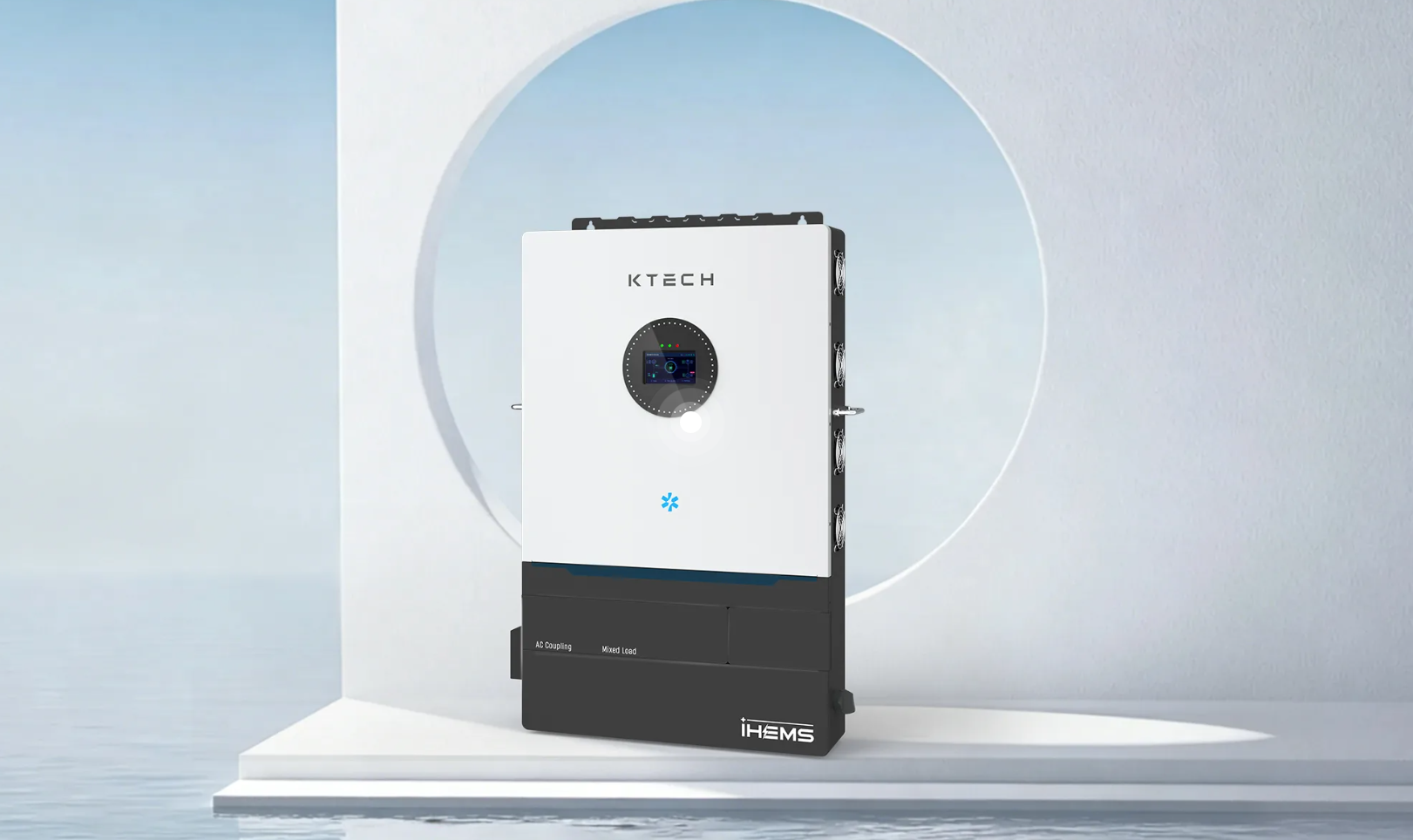
Decide by objective: pick the system that maps directly to your top two buyer outcomes—cost, resilience, or comfort. Use interoperability checks and commissioning commitments to lower integration risk. From the product-management side, solutions backed by suppliers with proven residential PV+storage deployments reduce surprises, and I lean toward partners who document those cases; suppliers such as Ktech demonstrate that practical alignment between hardware and management software leads to predictable performance and fewer field issues.