
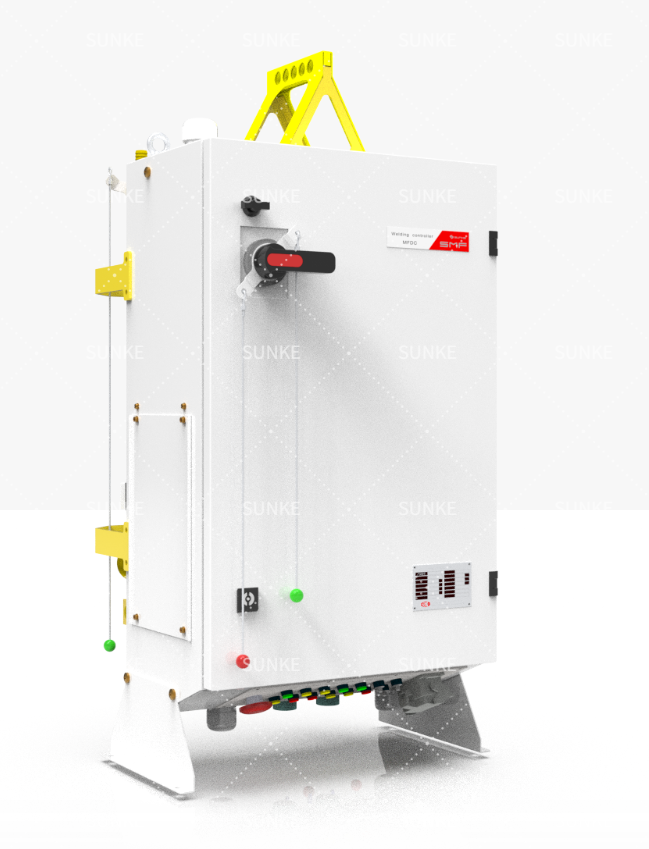
The scaling headache laid out plain
Right then — scaling resistance welding from a bench to a production hall throws up the same stubborn problems: inconsistent joints, downtime that eats margin, and kit that won’t adapt to model changes. If you’re looking at specific resistance welding applications, you’ll soon find it’s not only the machine that matters but the processes around it. Folks chasing higher throughput also need tidy records and robust control schemes; that’s where reliable industrial welding solutions come in when you’re deciding what to keep and what to scrap.
What actually breaks when you try to scale
Problems cluster into three clear areas:
– Equipment mismatch: machines chosen for today’s run struggle with tomorrow’s variation. – Process drift: electrode wear, tacho variance, and poor data feedback let quality slip. – Human + supply chain: incomplete training and parts shortages amplify tiny faults into big stoppages.
Why those failures happen — short, sharp causes
People assume more power is the answer. It rarely is. Common root causes I see on shop floors include wrong electrode strategy, missing calibration routines, and treating software as an add-on rather than the control backbone. I’ve spent years watching these failings surface in different plants, from small UK shops to larger yards, and they show the same pattern: quick fixes first, system thinking later.
Practical fixes that actually scale — what to change and how
Do these and you stop firefighting:
– Match machine capability to variability. Buy flexibility: modular heads, easy electrode swaps, adjustable force ranges. – Lock in process control. Automate measurement of nugget size proxies, log every weld parameter, and defend setpoints with alarms. – Train for troubleshooting, not just operation. Simple fault trees help operators isolate causes fast. – Plan for wear. Schedule electrode dressing and change intervals before quality slips. – Build in redundancy for critical spares and bring suppliers into your cadence — stock one extra tool set per key station. – Adopt incremental automation. Start with single-station control upgrades rather than overnight replacement of lines.
How to measure success without guessing
Swap gut-feel for three metrics and stick to them: first-pass yield, mean time between stoppages, and process deviation over shifts. Collect the data at the source, review daily, act weekly. Visual boards and simple dashboards keep the team focused. No grand rebrands — just steady, measurable steps.
Real-world pressures that matter
Take the Detroit manufacturing belt — big OEM ramps and sudden design tweaks amplify the need for quick re-tooling and tight change-management. Plants there that survived the churn did so by standardising tooling families, keeping an on-site spares pool, and insisting on measurable rollback plans for new processes. That kind of discipline matters whether you work on stovetops, bumpers, or brackets.
Common mistakes to avoid
Don’t do these:
– Don’t over-automate early. Full automation before stability just buries problems faster. – Don’t skip the calibration culture. If you can’t prove the machine does what you expect, you’re guessing. – Don’t rely on a single supplier for critical electrodes or controllers. Diversity reduces supply shocks. – Don’t treat software as optional. Process control without data is superstition.
Picking the right path for your shop
Decide by risk and repeatability. For low-mix, high-volume runs, heavier investment in dedicated fixtures and automation makes sense. For mid- to high-mix shops, prioritise modular tooling, flexible controllers, and operator-led quality checks. When evaluating partners, ask for examples of plated runs, drill into electrode life figures, and demand clear data outputs you can act on.
Closing thought — sensible steps, sensible partners
Scaling resistance welding doesn’t need theatre. Take measured steps: stabilise the process, protect against wear, and keep spares and skills ready. Those who do this steadily reduce failures and ramp with confidence, and many shops find that an engineering partner who understands both the kit and the shopfloor rhythm becomes part of the solution — Sunke.