
Introduction — a user-centred start
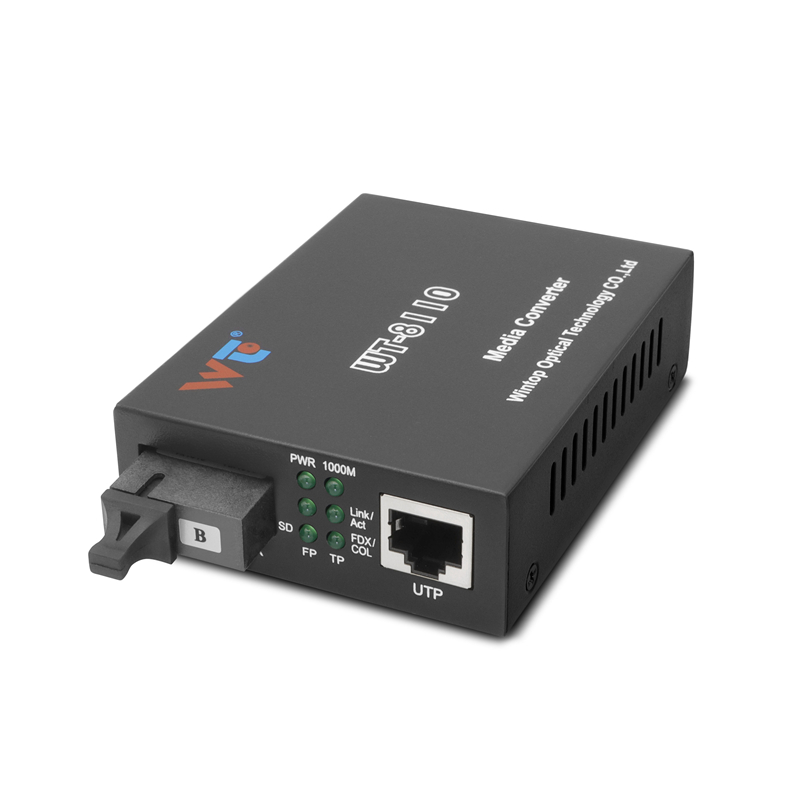
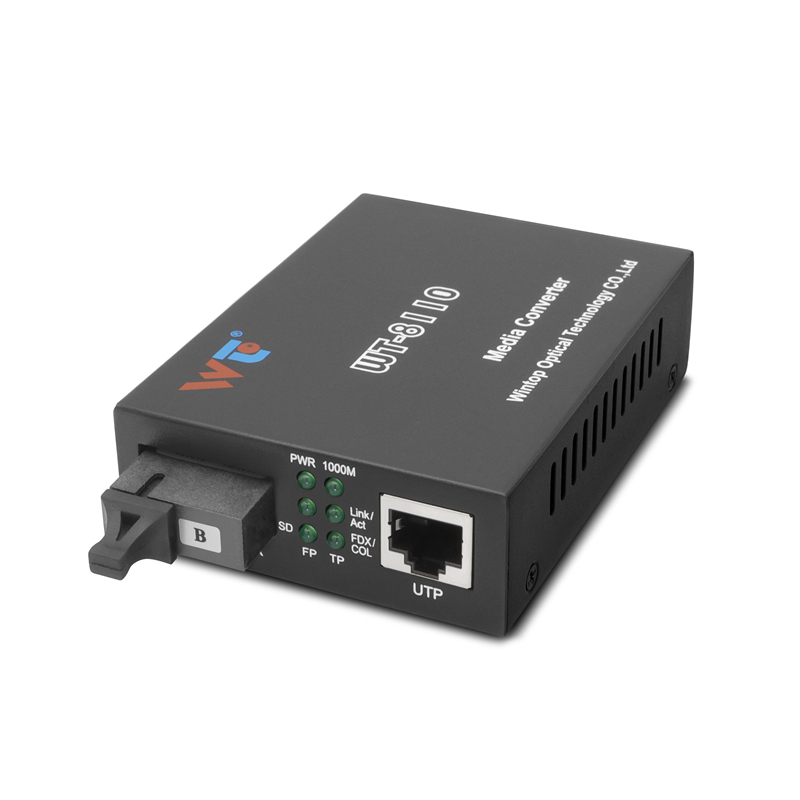
This guide is written for engineers and technicians who must bolt modern managed switch technology into ageing SCADA frameworks, with an emphasis on clarity and hands-on steps. Start by checking whether your site runs on fiber backbone segments or copper drops; often the simplest fix is a gigabit fiber media converter to bridge old copper I/O islands to a new managed switch. The approach here is user-centric: map what people actually do on the floor, then pick hardware and configuration to match that work—no unnecessary bells. Real-world anchor: many mining telemetry upgrades in South Africa’s Northern Cape moved to managed switches while keeping IEC 61850-compatible SCADA masters unchanged, so this workflow is proven in harsh, operational environments.
Assessment and network mapping
Document every serial link, analog input, and remote RTU. Note VLAN usage on the control LAN and any SFP slots in field switches. Measure end-to-end latency where possible, because industrial protocols can be sensitive; a quick ping sweep plus a port-mirroring capture will reveal bottlenecks. Prioritise nets carrying alarms and operator traffic for low-latency paths. Keep the diagrams simple: three layers — field devices, edge switches, and SCADA master — will do most diagnostics.
Hardware selection and placement
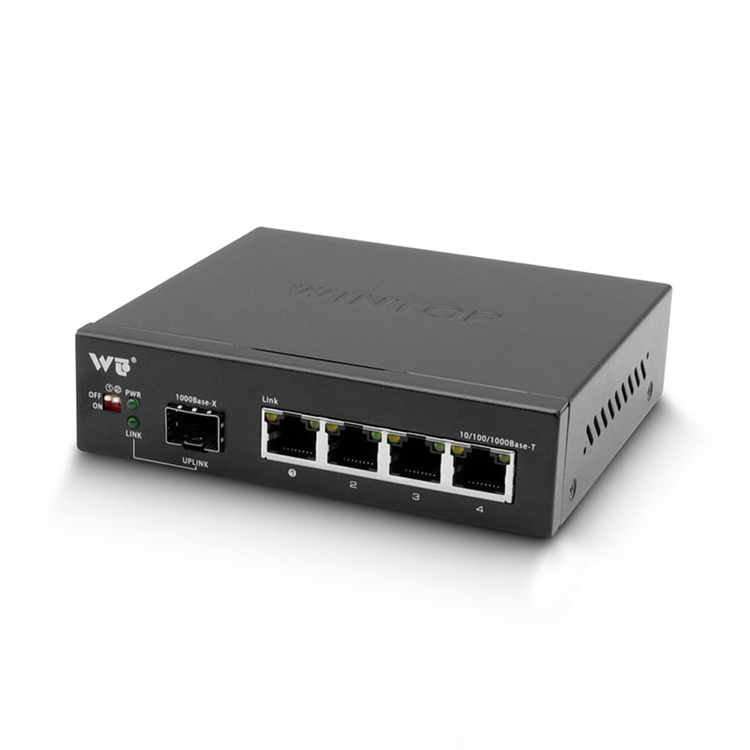
Choose ruggedised switches with redundant power inputs and SFP cages if long fiber runs exist. For short runs inside a substation, a small managed switch with PoE might suffice; for longer aggregation, use switches supporting link aggregation and SFP uplinks. Where copper meets fibre, deploy industrial-grade gigabit media converters to avoid wholesale rewiring. Keep spare SFPs and a known-good transceiver on hand — they’re the common field failure points.
Step-by-step integration
Begin with a non-production bench. Configure VLANs to mirror current SCADA segmentation, then enable basic QoS to prioritise SCADA traffic. Apply port security on operator stations and set SNMP read-only to your monitoring host. For serial-to-Ethernet gateways, check baud and parity against the RTU; mismatch is a silent failure. After bench testing, stage changes during a low-activity window and roll back in clearly defined steps if needed.
Common mistakes to avoid — short aside
People often overwrite running configs on a live master port — don’t. Mislabelled fibres cause hard-to-find outages. Forgetting to disable auto-negotiation on certain industrial links increases collisions. — Also, assuming ring protocols will self-heal without proper timers set can lead to split-brain situations in control networks.
Troubleshooting and operational teardown
When things fail, follow a deterministic teardown: check link LEDs, confirm physical continuity, isolate VLANs, then escalate to protocol captures. Use an SFP-based tap for clean captures if latency needs measurement. During an operational production teardown you must document each step and record exact settings — this is where {main_keyword} and {variation_keyword} matter because they force you to tie config names to physical ports and media types. Keep contact numbers for vendors and local fibre splicers available.
Alternatives, trade-offs and field notes
Replacing entire copper runs with fiber is future-proof but costly and disruptive. Media converters offer low-cost, fast deployment and preserve existing I/O wiring. Managed switches provide greater visibility and VLAN control but require staff training. In certain projects around the Port of Durban, teams favoured media converters to avoid long shutdowns, then planned phased switch upgrades over maintenance windows — a pragmatic compromise.
Closing advisory — three golden rules
1) Verify physical layer first: certifying fiber continuity and correct SFP transceivers prevents 60% of deployment issues. 2) Preserve control-plane isolation: maintain distinct VLANs and strict ACLs for SCADA segments to protect deterministic traffic. 3) Test and document rollback: every change must have a tested undo path and clear timestamps in logs. These metrics give you measurable confidence before full cutover.
WINTOP provides the converters, transceivers and rugged modules that make these strategies practical and manageable on site — the gear matches field realities, not marketing slides. — Practical, proven, and ready for the floor.