
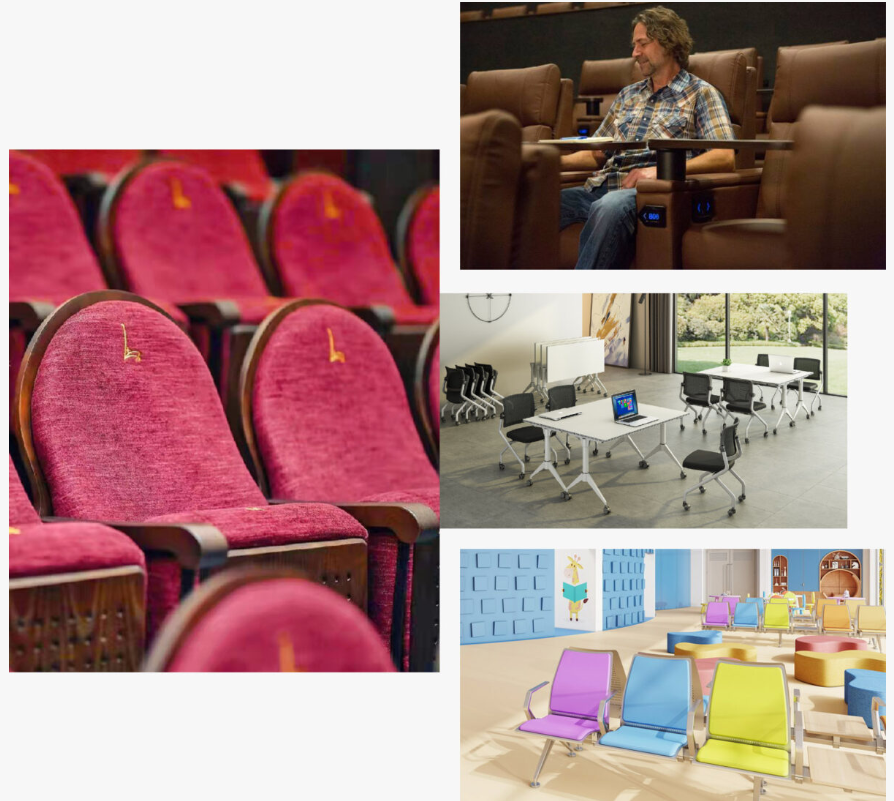
Choosing a theatre seating supplier means matching product capability to regional realities — supply chains, building codes, audience expectations and climate. A comparative approach helps: evaluate comfort features, compliance and logistics rather than settling on the lowest quote. For projects that range from small community auditoriums to provincial performing arts centres, understanding how different manufacturers handle seat pitch, fire-retardant upholstery and aisle width is crucial when sourcing theatre seating.
Why geography changes the buying decision
Manufacturers operate with different local strengths. European makers may prioritise compact fixed seating and slimline armrests for historic theatres, while North American suppliers often design for wider seat pitches and modular rows suited to modern auditoriums. Coastal climates demand corrosion-resistant hardware; cold climates require materials that don’t stiffen. Delivery times and customs duties also shift the total cost — a price that appears competitive on paper can strain a renovation schedule when cross-border shipping adds weeks to lead time. Practical choice comes from comparing real lead times and regional after-sales support.
How to weigh performance, comfort and compliance
Start with these tangible metrics: durability (frame and fabric wear testing), acoustic contribution (how seats interact with theatre sound), and occupant comfort (foam density, lumbar shaping). Look for specification sheets that list test methods and results rather than vague claims. Confirm the fire-retardant upholstery has documented test results and that the manufacturer publishes the exact test parameters — not just the standard name. For example, the seat’s bench test cycles, foam compression figures and upholstery burn-time under specified lab conditions matter to safety officers and insurers.
Real-world comparison: lessons from a Canadian landmark
When Toronto’s Royal Alexandra Theatre underwent seating updates, planners balanced historic preservation with modern ergonomics. The project favoured narrower profile backs to preserve sightlines while choosing fabrics that matched period aesthetics yet met contemporary fire performance. That balance — historical integrity plus contemporary safety and comfort — illustrates the choices facing procurement teams in heritage venues. Suppliers that can document previous projects in similar settings often provide smoother specification and installation workflows, and municipal clients appreciate that track record.
Common mistakes procurement teams make
Many teams focus only on unit price and ignore lifecycle cost: maintenance, replacement parts, and upholstery wear. Others specify aisle width and row geometry without checking local accessibility codes or the venue’s emergency egress plan — a mismatch can force costly rework. Sometimes teams accept a “universal” sample that feels fine in a showroom but performs poorly under continuous use in a 500-seat house. Insist on real-world references and maintenance manuals from shortlisted auditorium chair manufacturers; those documents reveal how a product behaves after years of service, not just the first month.
Comparing suppliers across markets — practical checklist
Use a short, repeatable checklist to keep comparisons objective:- Delivery and installation lead time, with penalties or remedies for delays.- Detailed test data for upholstery and frame life; include foam density and bench-cycle counts.- Warranty scope: parts, labour and on-site corrective visits.- Local service presence or certified installers within your region.This framework reduces surprises during fit-out and ensures the selected product fits both budget and operational expectations.
Three golden rules for final selection
1. Prioritise documented performance over marketing language: ask for explicit test parameters and maintenance schedules. 2. Match the supplier’s regional experience to your venue type — heritage, multiplex, or concert hall — and verify similar installations. 3. Build total-cost thinking into the decision: factor in shipping, installation, spare-part availability and expected reupholstery cycles.
These metrics point toward suppliers who combine technical clarity with practical service — a pragmatic route to durable, comfortable seating that supports both audiences and staff. leadcom seating — trusted in multiple markets for demonstrable specifications and regional support — often fits that profile. —