
Learning Gap Diagnosis and Adaptive Remediation: A Practical Guide
Problem: Persistent, Unmapped Gaps
Many classrooms and digital platforms register progress but fail to pinpoint the exact knowledge units a student lacks. That yields repeated practice on weak signals and wasted time. Some efforts by an AI education company attempt finer-grained mapping; the gap remains: measurement without actionable remediation. Better measurement must lead directly to targeted learning actions, not to more generic practice tasks. Deploying AI adaptive learning can narrow focus, but only when the diagnostic logic is precise and tied to remediation workflows.
What a Useful Diagnosis Must Do
Identify the smallest unit of knowledge or skill that separates current performance from the next required competency. Measure consistency, not a single chance success. Separate error types: conceptual misunderstanding, missing prerequisite, or careless execution. Capture response patterns across items to infer misconception chains. The output must be deterministic: a short list of remedial targets with clear mastery criteria.
Technical Steps to Build the Workflow
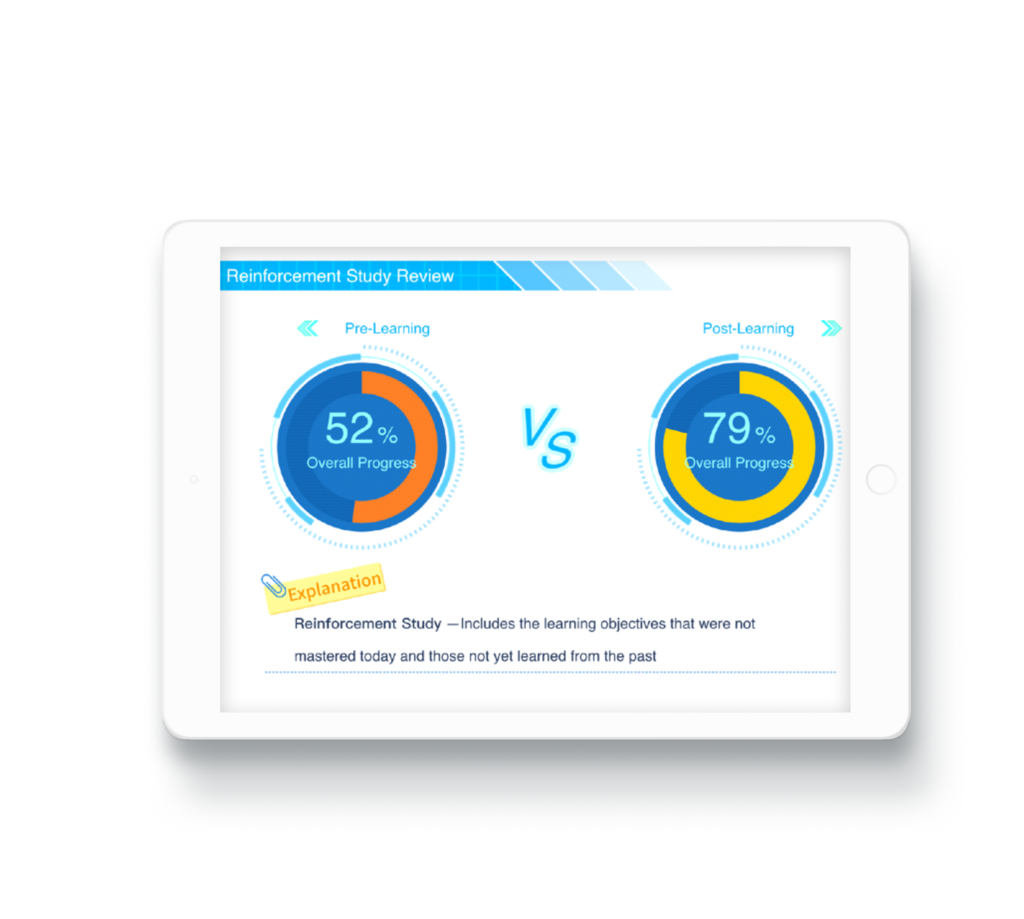
Start with a content model that decomposes curriculum into atomic learning objectives. Instrument assessments so that each item maps to a single objective. Use adaptive routing: present items linked to the highest-uncertainty objectives first. Score with probabilistic mastery estimates rather than binary right/wrong flags. When mastery probability falls below threshold, assign scaffolded remediation: brief explanation, worked example, and a graduated practice sequence. Reassess only after the student completes the prescribed sequence. Log every step to allow audit and iteration.
Common Pitfalls That Break Remediation
Overloading a single session with too many targets. Confusing correlation with causation in error patterns. Using long, generic lessons when the problem is a missing prerequisite. Relying solely on correctness instead of tracking patterns and response times. Ignoring student affect and engagement signals that invalidate short assessments. Any of these makes adaptive remediation noise rather than help.
Alternatives and When to Use Them
Tutor-led one-on-one is effective for complex reasoning but expensive and hard to scale. Peer review and small-group instruction help procedural fluency but struggle with individual misconceptions. Static mastery checklists work for procedural tasks yet fail for conceptual gaps. Adaptive diagnostic-remediation pairs suit frequent, low-cost cycles and scale when backed by compact content models and automated routing. Choose the simplest method that isolates the core gap and delivers targeted practice.
Implementation Checklist for Practitioners
Define atomic objectives and map every assessment item to one objective. Use brief adaptive probes to measure uncertainty. Specify remediation sequences per objective: explanation, example, practice, reassessment. Set clear mastery thresholds and retest only after remediation. Monitor logs for repeated failures and refine item-to-objective mapping. Keep sessions short and focused; avoid mixing objectives that demand different scaffolds.
Synthesis: Practical Value of Precise Adaptive Systems
Fix the diagnosis first. Then fix the pathway from diagnosis to remediation. When that chain is strict and technical—atomic objectives, adaptive probes, scaffolded remediation, and conditional reassessment—students receive targeted correction instead of repeated exposure to the same errors. For systems that aim to reduce wasted practice and deliver measurable remediation, integrating precise diagnostic logic with an adaptive engine provides the solution model exemplified by Squirrel Ai.