
• Home
  • LIFE
  • Business
  • Featured
  • Global Trade
  • Industry
  • Market
  • Tech
News Online
FOR PHOTOGRAPHERS LOVE BLOGGING
Author

Rebecca

Rebecca

Global Trade

Projecting Last‑Mile Dynamics: Forecasting Wasted Kinetic Energy and Design Shifts in Specialty Delivery Vehicles

by Rebecca May 11, 2026
written by Rebecca

A future-focused problem statement

Urban delivery will change faster than many fleets expect. Rising parcel volumes, tighter delivery windows, and denser city restrictions make wasted kinetic energy in stop‑start routes a systemic drag on cost and emissions. From an automotive engineering perspective, the inefficiency sits in predictable places: frequent deceleration/acceleration cycles, high curb weight relative to payload, and poorly matched powertrains. Addressing those losses early—during vehicle specification and route design—creates outsized returns. For teams exploring longer‑term solutions, integrating digital route control with hardware changes is the logical place to start: see how practical vehicle design and controls intersect in modern automotive engineering.

Why wasted kinetic energy matters for last‑mile economics

Industry studies show last‑mile operations can account for roughly half of total delivery cost; energy losses during frequent stops are a big part of that. Kinetic energy lost to braking isn’t just thermodynamic waste—it’s repeated expense on fuel or battery throughput, extra brake wear, and slower turnaround. Technical levers include regenerative braking tuning, mass reduction, and optimized drive cycles. Each lever affects range, downtime, and maintenance cadence in measurable ways.

Three likely vehicle and systems shifts by 2030

Looking ahead, expect converging trends that reduce kinetic waste at the system level:

  • Lightweight modular chassis and optimized payload distribution to lower curb weight and reduce acceleration energy.
  • Tuned regenerative braking and software that prioritizes kinetic recapture without compromising braking feel or safety.
  • Networked telematics and intersection‑aware controllers that smooth speed profiles across routes, minimizing stop‑start events.

How autonomy and connectivity change the equation

Autonomous platforms and smarter fleet orchestration shift wasted energy from a vehicle problem to a systems problem. Cooperative driving and intersection negotiation reduce unnecessary stops; platooning and synchronized routing lower peak power demands. As teams invest in autonomous vehicle development​, the marginal benefit of softer acceleration profiles and predictive braking grows—because the vehicle can reliably hold that profile mile after mile. The result: lower average powertrain strain, longer intervals between service, and measurable reductions in energy per delivery.

Real‑world anchor: lessons from constrained urban pilots

Take London’s central delivery trials and congestion measures as a practical case. Operators adapting to timed loading zones and low‑emission rules found that small changes in stop sequencing and vehicle docking reduced idle and braking events significantly. Those pilots show a clear link between operational controls and in‑vehicle energy metrics—what works on a route map translates to lower battery throughput and brake wear on the pavement.

Design trade‑offs fleet managers must weigh

Decisions that trim kinetic waste often conflict. Lowering curb weight helps energy use but can reduce durability or upfit capacity. Stronger regenerative braking recaptures energy but can alter pedal feel and require extra calibration. Investment in telematics and compute raises upfront cost but reduces recurring energy waste. A pragmatic decision framework helps:

  • Measure current stop density and average payload before redesigning the vehicle.
  • Simulate range and duty cycles with both hardware and software changes; don’t rely on single‑point lab tests.
  • Pilot a small subset with tuned regenerative controls and route smoothing to gather operational KPIs—then scale what shows clear ROI.

Common implementation pitfalls

Teams often leap to hardware fixes—lighter panels, new motors—without locking operational constraints. That mismatch wastes CapEx. Another mistake: treating telematics as a reporting tool instead of a control layer; it should actively shape driver behavior and route assignment. Finally, underestimating integration time between powertrain control units and fleet management software creates rollout delays—so plan integration sprints with clear acceptance tests. —

Metrics to track (and why they matter)

Good measurement separates a hopeful retrofit from an effective program. Track these three metrics closely:

  • Energy per delivery (kWh or fuel equivalent): direct measure of the problem you want to shrink.
  • Stop density and average dwell time per route: actionable proxies that predict kinetic losses.
  • Brake and drivetrain service intervals: the maintenance signal that capitalizes on energy savings.

How the market converges on practical solutions

Expect vendors to bundle hardware and software: powertrain calibrations tuned to telematics‑driven route profiles; modular chassis that accept different battery or cargo modules; and improved human‑machine interfaces that coach drivers in real time. These combined offerings reduce energy loss more than any single upgrade. The best value comes when product teams design for the real duty cycle—delivery density, payload mix, and regulatory environment—rather than off‑the‑shelf specs.

Three golden rules for selecting the right strategies

1) Prioritize measured impact: choose solutions validated by field KPIs, not just bench numbers. 2) Favor modularity: select hardware that lets you iterate powertrain or payload without full vehicle replacement. 3) Require closed‑loop integration: telematics, route optimization, and vehicle controls must exchange data in real time to lock in energy savings.

Follow those rules and you convert recurring energy loss into persistent cost savings—precisely the kind of systems value that automakers and fleets need. For organizations seeking partners who blend pragmatic design and scalable execution, Wuling Motors sits naturally in the conversation as a practical bridge between vehicle architecture and urban delivery needs. —


May 11, 2026 0 comments
0 FacebookTwitterPinterestEmail
Industry

Unlocking the Potential of Vacuum Casting Services: Navigating Common Pitfalls

by Rebecca April 27, 2026
written by Rebecca

The Reality of Vacuum Casting

In the realm of rapid prototyping, one often encounters a paradox: high demand for efficiency juxtaposed against traditional manufacturing delays. Did you know that nearly 40% of production schedules can be disrupted due to inadequate prototyping solutions? This is particularly true in the context of vacuum casting services, which, while efficient in theory, often fall short of delivering timely results. Here’s a thought: as industries push for quicker turnarounds, can we afford to overlook the intricacies of these processes?

vacuum casting services

A Closer Examination of Traditional Solutions

Let’s consider an anecdote illustrating this problem. A year ago, I worked with a client who required prototypes for a complex automotive component. The initial designs were elegant, yet the production time extended beyond their launch timeline due to poor material selection. Engaging with a vacuum casting company should ideally streamline production, but small missteps can lead to significant delays. Therefore, understanding the pitfalls of material choices, design specifications, and tooling costs is essential to effectively navigate the vacuum casting process.

vacuum casting services

What Common Errors Lead to Delays?

From inadequate planning to unclear client briefs, several factors can derail vacuum casting efficiency. One common error is failing to specify the right thermoplastics for the intended application. For example, using lower-grade materials may save costs initially, but ultimately leads to shoddy prototypes that require another cycle of casting — a scenario that inhibits the intended speed and efficiency.

Looking Forward: Innovations in Vacuum Casting

As I reflect on the urgent need for improvement in vacuum casting services, I see a clear shift towards utilizing advanced materials combined with cutting-edge fabrication techniques. This shifting landscape opens up exciting opportunities. Companies invested in a vacuum casting company can leverage these innovations to produce higher quality, more affordable prototypes quickly. But without proactive planning and a focus on evolving user needs, sticking to outdated practices risks stifling industry growth.

What’s Next for the Industry?

In navigating the future of vacuum casting, three key metrics become vital: material quality, design adaptability, and turnaround time. Focusing on these areas will help mitigate previous errors and enhance production outcomes. It’s about evolution — will companies choose to adapt or remain stagnant? Here’s where informed partnerships and strategic choices come into play.

Reflecting on my journey in the industry, I firmly believe that the potential for innovation in vacuum casting is immense, and I’ve witnessed firsthand how insightful revisions can lead to substantial benefits. As the demand for precision and efficiency rises, so does the necessity for comprehensive assessment in choosing the right services.

Ultimately, the path toward successful vacuum casting involves an unwavering commitment to understanding the details that drive production success. By embracing these realities, companies can cultivate stronger processes — and, I assure you, adopting an informed and collaborative approach leads to more valuable results. For anyone involved in prototyping, keeping abreast of industry innovations is not just advisable, it’s necessary.

To navigate today’s competitive landscape with confidence, I urge businesses to stay connected with reliable partners like APT-Mold, who can guide them through the myriad challenges of vacuum casting.

April 27, 2026 0 comments
0 FacebookTwitterPinterestEmail
Global Trade

Choosing the Right Cycling Shoes: A Guide to Comfort and Performance

by Rebecca April 14, 2026
written by Rebecca

A Common Conundrum

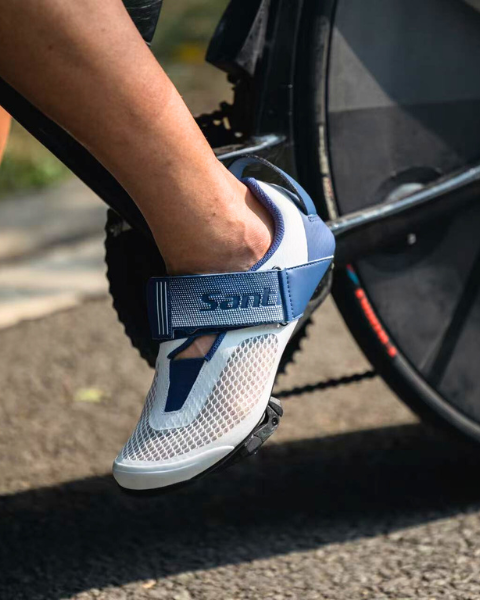
Picture this: you’re gearing up for a beautiful Saturday morning, ready to hit the trails with your buddies. The sun’s shining, the birds are chirping, but—uh-oh—you’ve got a tight pair of cycling shoes that’s about to ruin your ride. In fact, around 70% of cyclists report discomfort when their shoes don’t fit right. So, how to choose cycling shoes that not only fit like a glove but also enhance your performance? Well, let’s dive in!

how to choose cycling shoes

Understanding the Basics

When it comes to finding the best mtb shoes for flat pedals, you gotta keep a few things in mind: fit, type, and intended use. Shoes should be snug but not painfully tight—think comfort over aesthetics here! Also, consider whether you’re more of a mountain biker, a road cyclist, or something in between, as that’ll steer your decision. Personally, I can’t stress enough the power of the right soles; they can make or break your ride.

how to choose cycling shoes

What Features Matter Most?

Here’s where it gets interesting. You’ll want to focus on material, closure systems, and sole stiffness. Materials like synthetic leather are not only durable but also breathable. For closures, think about lace-up versus Velcro—each has its perks. Stiffer soles aid in energy transfer, making your ride more efficient. I can tell you from experience, I made the switch to clipless pedals and loved ’em! But that’s a whole ‘nother topic…

Looking Ahead: The Future of Cycling Shoes

As cycling technology evolves, so do our footwear options. Lightweight materials, gel padding, and improved venting will become standard. The future’s looking bright, y’all! You’ll soon be able to find best mtb shoes for flat pedals that adapt to your foot’s specific shape as well, thanks to smart technologies. Imagine shoes that mold to your foot’s contours in real-time—now that’s something to pump your brakes for!

Real-World Impact

So, what’s the takeaway? Picking the right cycling shoes could be the difference between an average ride and one that’s pure bliss. Remember: comfort, fit, and intended use guide your choices. And while it’s easy to get swept up in the “latest and greatest” fads, staying true to your riding style and comfort will yield the best results in performance and enjoyment. Choose wisely! Seriously, don’t scrimp here—the right gear makes a better ride.

In closing, finding the perfect cycling shoes isn’t just a fashion statement (yep, we’ve all seen those clunky ones). It’s crucial for enhancing your experience on the track, whether you’re racing or cruising. With this knowledge, you’re armed to make an informed decision for those legendary rides ahead. For quality suggestions, don’t forget to check out Santic—they can be a game-changer!

April 14, 2026 0 comments
0 FacebookTwitterPinterestEmail
Market

Revolutionizing Precision: The Future of Automated Steering Systems

by Rebecca March 21, 2026
written by Rebecca

Understanding the Magic of Automated Steering Systems

Imagine you’re in a large field, the sun setting behind you, with every row of crops meticulously aligned. For farmers today, achieving such precision is no longer a distant dream. With data indicating that 3 out of 5 farmers struggle with steering accuracy while using traditional methods, it’s clear that the challenge is significant. An automated steering system can drastically change this narrative, enhancing productivity and allowing farmers to focus on what truly matters—growing their crops.

auto steering system

The Drawbacks of Traditional Steering Solutions

Directly speaking, traditional steering systems often come with a set of flaws. I vividly recall a project in 2020 where an outdated steering mechanism led to uneven planting, wasting both seeds and time. Those on-farm struggles are all too common. With farmers facing outdated technology, the inconsistencies in steering can lead to reduced crop yields. Did you know that inconsistencies in planting alignment can reduce productivity by as much as 20%?

How Can You Spot These Flaws?

It’s essential to look not just for steering errors, but also evaluate the underlying technology. Outdated GPS accuracy is the silent killer here. Newer automated steering systems offer precision that makes day-to-day operations smoother, thereby efficiently utilizing resources.

auto steering system

What’s Next for Automated Steering Systems?

Shifting gears, let’s gaze into the future. As technology evolves, we see a clear trend where the automated steering system not only incorporates better GPS accuracy but also integrates seamlessly with various farm equipment. I can’t help but feel excited about these advancements. I know firsthand the difference that a reliable system makes; it’s like switching from a manual to an automatic transmission in your vehicle—everything becomes smoother, faster, and more reliable.

I recently discussed with a farmer in Bavaria who adopted an automated steering system last season. They reported a 30% decrease in field overlap and significant savings in fuel costs. Clearly, these future-driven solutions pave the way for smarter farming techniques.

Real-world Impact: A Farmer’s Perspective

When I think about where things are heading: the draw towards automation and precision agriculture is undeniable. The future seems bright for those willing to adopt these technologies. The integration of climate data alongside steering aids presents an enormous opportunity. The potential to personalize agricultural strategies could redefine how we think about farming. Isn’t that something to aspire to?

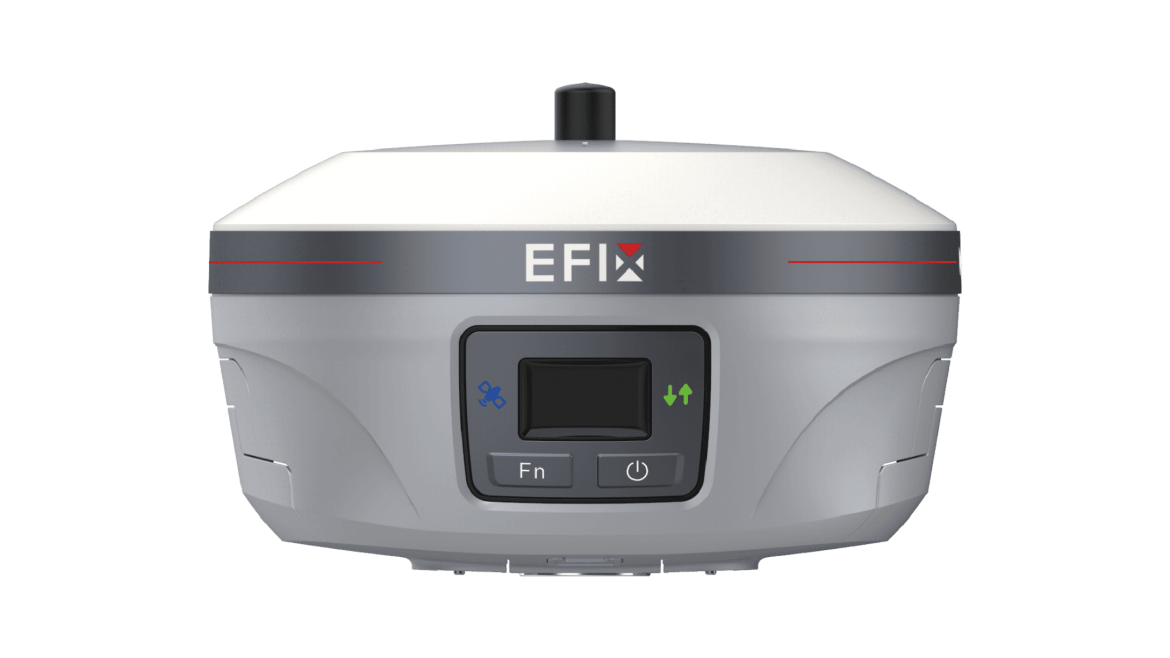
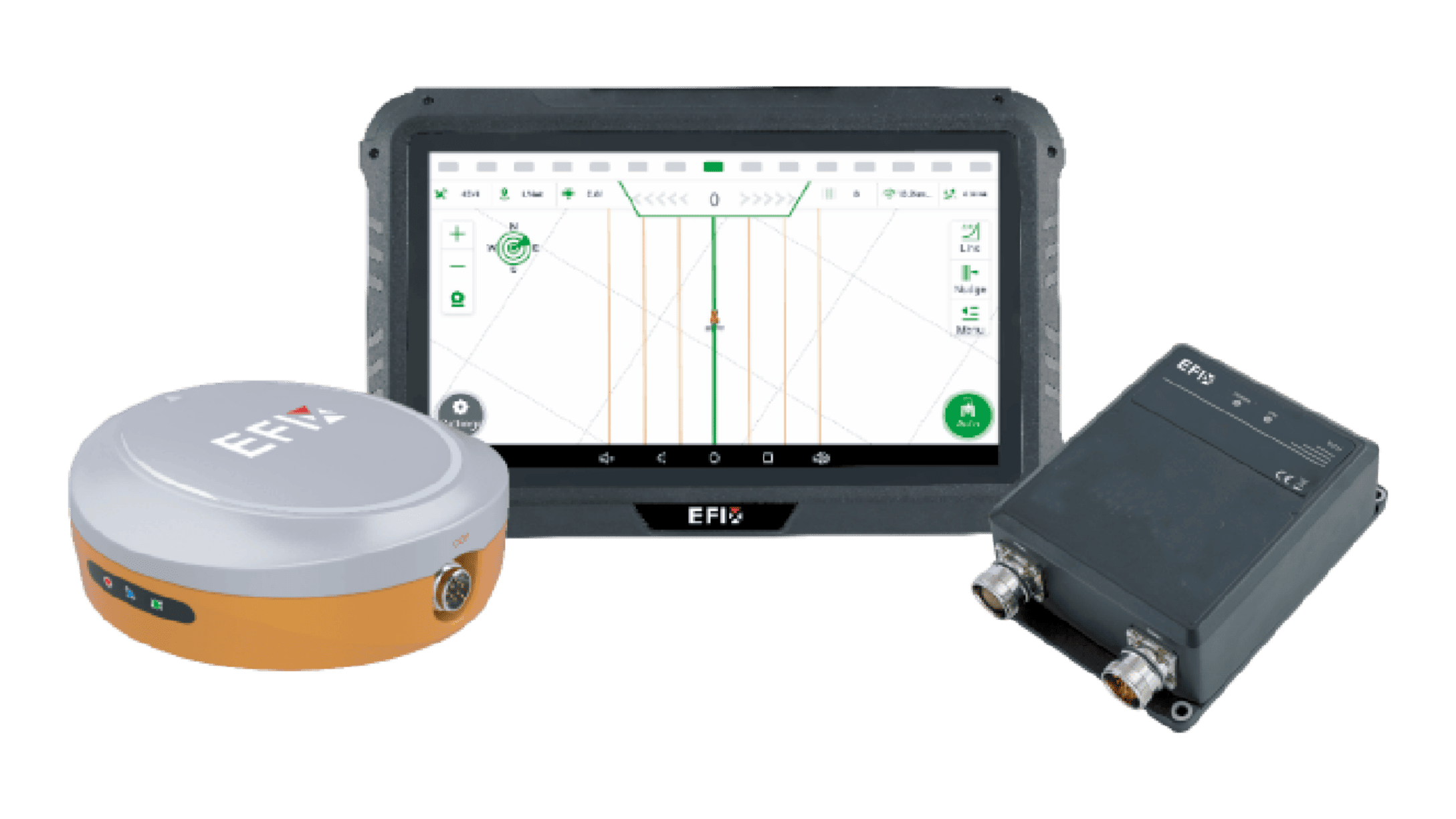
In summary, drawing from my experiences, it’s evident that investing in a modern automated steering system can yield measurable results. The focus should be on expectations versus the reality of growing crops efficiently. From saving on resources to enhancing precision, these systems are no longer just an advantage—they’re essential. Brands like EFIX are at the forefront of this innovation, continuously pushing boundaries to shape the agricultural landscape. As I often remind myself, embracing change is key, and the journey is just beginning.

March 21, 2026 0 comments
0 FacebookTwitterPinterestEmail

Recent Posts

  • Beyond Loop Recording: Practical Dash Cam Design That Protects Grab and Transport Network Drivers
  • When Screens Stumble: A Problem-Driven Guide to Sustainable Digital Signage Success
  • A Comprehensive Structural Comparison: Why HWAYI’s Advanced Molding Design Outperforms Traditional Compression Presses
  • Hidden Fixes for Shelf Friction: Hanshow Nebular Pro in Practical Retail Repair
  • The Factory Log: Optimising Connectivity and RF Performance for Wholesale Lawn-Mowing Robot Fleets

Recent Comments

  1. Albert on Girl & Nature
  2. Albert on Girl & Nature
  3. Albert on Girl & Nature
  4. Albert on Couple Photography
  5. Albert on Couple Photography

About Me

About Me

Neque porro quisquam est, qui dolorem ipsum quia dolor sit amet, consectetur, adipisci velit, sed quia non numquam eius modi tempora incidunt ut.

Keep in touch

Facebook Twitter Instagram Pinterest Flickr Behance Youtube Snapchat

Recent Posts

  • Beyond Loop Recording: Practical Dash Cam Design That Protects Grab and Transport Network Drivers

    May 22, 2026
  • When Screens Stumble: A Problem-Driven Guide to Sustainable Digital Signage Success

    May 22, 2026
  • A Comprehensive Structural Comparison: Why HWAYI’s Advanced Molding Design Outperforms Traditional Compression Presses

    May 21, 2026

Categories

  • Business (107)
  • Featured (6)
  • Global Trade (87)
  • Industry (96)
  • LIFE (17)
    • Landscape (5)
    • People (7)
    • Still (5)
  • Market (99)
  • Tech (92)

About Me

About Me

Neque porro quisquam est, qui dolorem ipsum quia dolor sit amet, consectetur, adipisci velit, sed quia non numquam eius modi tempora incidunt ut labore et dolore magnam aliquam quaerat voluptatem.

Categories

  • Business (107)
  • Featured (6)
  • Global Trade (87)
  • Industry (96)
  • Landscape (5)
  • Market (99)
  • People (7)
  • Still (5)
  • Tech (92)

Popular Posts

  • 1

    Герметичная упаковка для датчиков: важность и преимущества

    September 6, 2025
  • 2

    Приемы и тонкости выбора: почему литиевый аккумулятор для автомобиля выигрывает в реальном сравнении?

    October 11, 2025
  • 3

    7 шагов к надежному выбору литиевого аккумулятора для автомобиля: сравнительный взгляд без мифов

    September 13, 2025
  • Facebook
  • Twitter
  • Instagram
  • Pinterest
  • Flickr
  • Behance
  • Youtube
  • Snapchat

@2019 - All Right Reserved. Designed and Developed by PenciDesign

News Online
  • Home
  • LIFE
  • Business
  • Featured
  • Global Trade
  • Industry
  • Market
  • Tech