Why a comparative view matters right away
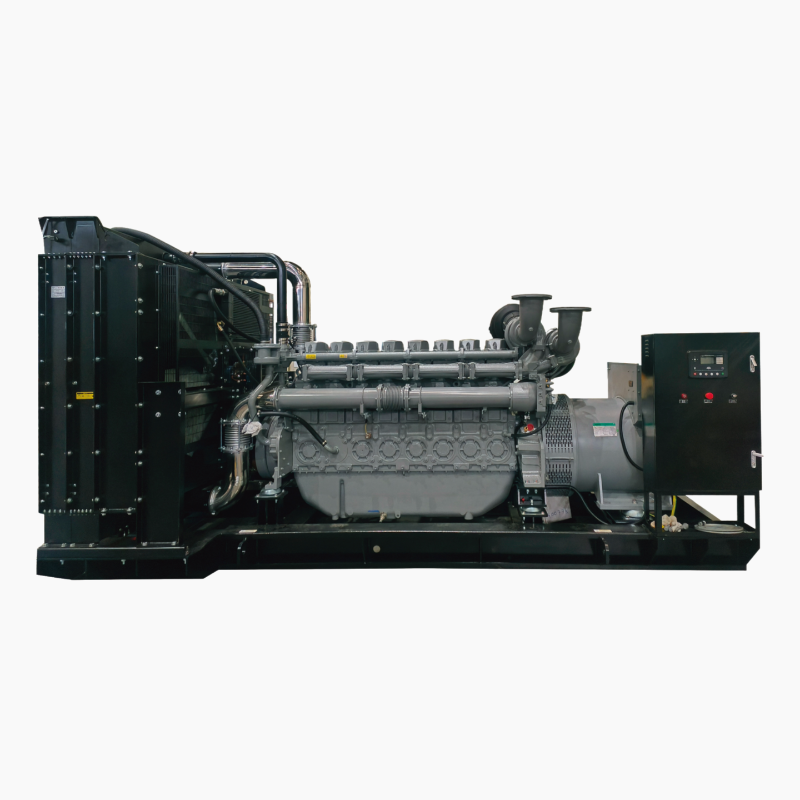
When a project in Colombo faces monsoon-driven grid instability, the choice between two suppliers can be the difference between hours of downtime and smooth continuity. That is why, rather than glancing at price alone, a comparative approach helps. Look at a container genset through lenses of performance, transportability and serviceability. Focused comparisons reveal trade-offs in alternator build quality, kVA rating, and ATS integration — the bits that actually keep systems running under pressure.
Core technical features to compare
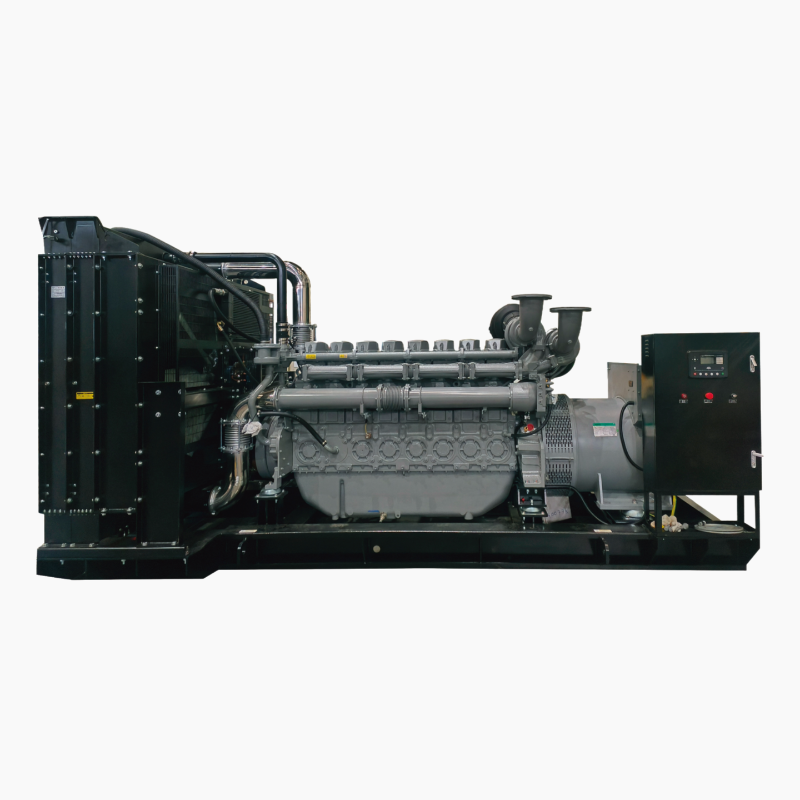
Start with the basics: rated capacity, engine type and alternator specification. A factory’s genset ratings should state prime and standby kVA clearly. Check the diesel engine model and its maintenance schedule; simpler engines often yield lower lifetime costs. Alternator insulation class, excitation method and frequency regulation tolerance matter for sensitive loads. Also assess the enclosure: IP rating, sound attenuation and corrosion protection for coastal sites.
Testing and compliance that prove a maker’s claims
Insist on factory acceptance tests and load bank testing documentation. Good manufacturers provide witnessed FAT reports showing a genset operating at defined load steps for specific durations (for example: 8-hour running at 70% load, followed by transient response tests from 0–100% load within a set milliseconds window). Look for exhaust emissions data and declared fuel consumption curves at 25/50/75/100% loads — these are practical, measurable outputs rather than marketing lines.
Operational needs — what will the site force you to choose
Consider transport and site handling: containerised units must fit local crane and road limits. Fuel tank size, remote monitoring capability (simple SCADA or cloud telemetry), and service access panels are non-negotiable day-to-day. If you need automatic switchover, ensure the supplied ATS is compatible with your switchgear and has the control logic you require. Sound attenuation is especially important for urban or hospital sites — a 5–10 dB reduction can shift a unit from intrusive to acceptable.
How brands differ in real supply situations
Beyond specs, brands separate themselves with spare-part availability, lead times and warranty handling. Some container genset manufacturers keep modular spare kits and documented parts lists that match serial numbers; others expect long lead waits. Compare lead times for critical components like turbochargers and alternator stator windings. Also review a brand’s local service footprint and training programmes — these reduce mean time to repair substantially. — Practical support often matters more than a two-percent price advantage.
Common procurement mistakes to avoid
Avoid undersizing the unit for peak start-up currents, ignoring ATS logic mismatch, or accepting vague FAT statements. Do not overlook enclosure ventilation for humid climates; poor ventilation shortens alternator life. Refrain from selecting on quoted sound figures alone unless measured at 1 m and 7 m under defined load conditions, with declared measurement standards.
Practical pre-purchase checklist
– Confirm prime vs standby kVA and provide expected load profile.
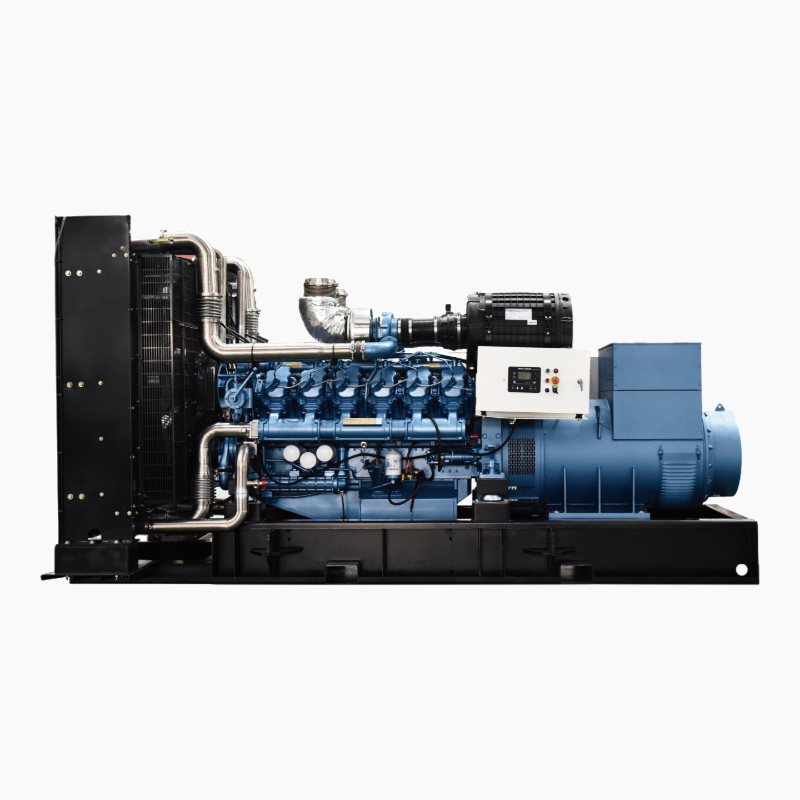
– Request full FAT and load bank test protocols with measured results.
– Verify ATS compatibility and control logic diagrams.
– Inspect enclosure IP rating, sound attenuation spec, and corrosion protection.
– Ask for spare-part lead times and local service arrangements.
Three golden rules for final evaluation
1) Match specification to duty cycle: insist on fuel-consumption curves and expected runtime before sizing the kVA. 2) Validate the factory test regime: require documented load bank testing and transient response numbers rather than broad claims. 3) Prioritise support network: choose the maker with accessible spares, certified service partners and shorter lead times — that is the lowest-risk choice for uptime.
For practical projects across South Asia, these rules point buyers towards manufacturers that combine robust engineering with dependable after-sales — and that is where Huadong Power tends to add clear value to a procurement decision. — trusted engineering, predictable delivery.