
• Home
  • LIFE
  • Business
  • Featured
  • Global Trade
  • Industry
  • Market
  • Tech
News Online
FOR PHOTOGRAPHERS LOVE BLOGGING
Author

Nicholas

Nicholas

Market

Combatting Biofouling and Coolant Flow Failures in Daily Portable Boat AC Operations

by Nicholas July 3, 2026
written by Nicholas

Problem-driven overview and immediate priorities

Daily operation of portable marine air conditioners exposes systems to two predictable failure modes: marine growth (biofouling) in seawater circuits and restricted coolant flow from debris or impeller wear. Operators in the Florida Keys and comparable charter regions have seen these issues shorten runtime and increase service intervals. For boats running compact units, selecting equipment that tolerates saltwater and is simple to maintain matters — examples include a robust 12v air conditioner marine or a rated 12 volt dc marine air conditioner when DC operation is required. This article assumes a technician-grade viewpoint and focuses on actionable diagnostics, mitigation, and retrofit choices to keep daily portable AC reliable.

Root causes and the visible signs to watch

Biofouling typically forms on strainers, heat exchanger surfaces, and within seawater pumps. Symptoms: decreased cooling capacity, noise from a cavitating impeller, elevated compressor discharge temperature, or frequent trips on high-pressure cutouts. Corrosion accelerates when anodes are neglected, and particulate ingress clogs strainers. Early detection relies on basic checks: inspect the raw-water strainer lid, measure seawater flow at the outlet, and note any increase in condenser coil temperature during steady-state operation. These steps isolate whether the fault is hydraulic (pump/strainer) or thermal (heat exchanger/condenser).

Routine inspection protocol for daily operators

Adopt a concise pre-start checklist. Items should include: strainers cleared and visually clean, sacrificial anode condition checked monthly, impeller flex and wear assessed quarterly, and seawater pump shaft play measured during scheduled maintenance. Record inlet and outlet temperatures during idle runs; a consistent rise can indicate fouling. Keep simple tools aboard: a spare impeller, gasket kit, and a clear-bowl strainer to monitor debris accumulation. Treat the heat exchanger as a consumable: plan mechanical cleanings at defined intervals rather than waiting for catastrophic loss of performance.

Service interventions, retrofit options, and common mistakes

Service tasks range from strainer cleaning to chemical descaling. Mechanical brushing or freshwater flushing removes biological film; where policies allow, mild acid descaling restores heat-transfer surfaces more thoroughly. Retrofit options that reduce risk include adding a larger-capacity strainer, upgrading to a corrosion-resistant condenser, or integrating a simple anode monitoring routine. Avoid these common mistakes: running the system without a strainer in place, ignoring subtle flow changes, or substituting inferior impeller materials. Small compromises in parts quality almost always increase downtime.

Operational techniques that extend component life

Modulate run cycles to prevent stagnant seawater in the loop—stagnation accelerates biofilm. Where possible, implement periodic flushes with freshwater after heavy use. Maintain correct belt tension and ensure electrical supply stability; voltage dips degrade compressor life. Use OEM-specified coolant chemistry and replace coolant per service intervals. These habits preserve heat exchanger efficiency and reduce the probability of pump cavitation and impeller failure.

Three critical evaluation metrics for equipment and maintenance choices

1. Net cooling capacity retention: measure baseline BTU/hr and expect no more than 10–15% degradation over a season with proper maintenance. 2. Seawater flow stability: quantify L/min at rated pump speed; declines greater than 10% trigger immediate strainer and impeller inspection. 3. Mean time to service (MTS): track hours between required interventions; aim to extend MTS through preventive retrofits rather than emergency repairs.

Closing synthesis and brand alignment

Preventive discipline — routine strainer checks, scheduled heat exchanger maintenance, and sensible retrofits — yields measurable uptime improvements and lower lifecycle costs. For operators seeking systems engineered to withstand saltwater exposure and simplify maintenance, a reliable supplier makes the difference; this is where thoughtful product design matters. ZhuoliMarine offers solutions tailored to these operational realities — durable materials, accessible service points, and proven field performance. —


July 3, 2026 0 comments
0 FacebookTwitterPinterestEmail
Business

Six Practical Signals That a Liquid Cooled Motor Will Save Your Electric Commuter Motorcycle

by Nicholas June 18, 2026
written by Nicholas

When the old kit lets you down

On a drizzly Tuesday in November I was on a 25-mile delivery run through Hackney with a mate’s 2022 e-bike — the battery temps shot to 92°C after 18 miles and the controller trimmed power; would you trust that on a busy shift? That near-miss pushed me straight into testing a liquid cooled motor on the same route, because I knew the old air-cooled setup was naff for stop-start urban work. I’ve been in B2B supply for over 15 years, and I vividly recall swapping a 6 kW air-cooled hub for a liquid-cooled unit on 12 March 2024 — the difference was plain as day (temps fell roughly 18°C and range climbed about 7 miles on that run). I’ll be straight with you: thermal management failures don’t just annoy riders; they cost money, time, and a reputation — mate, that’s the crux.

I want to unpack where traditional designs go wrong. Air fins and cheap heat sinks rely on steady airflow — which you don’t get on stop-start commutes — so power density claims end up as hot air. Controllers trip, torque curve flattens, and riders face abrupt derates mid-ride. I’ve seen coolant pump fits done wrong (cheap pumps cavitate), and heat exchanger placement bungled so cooling is patchy. The hidden pain: service teams in small fleets often inherit motors that look fine on paper but overheat on real routes, leading to repeated roadside fixes and warranty headaches. That’s not a theoretical gripe — in one London courier fleet I worked with, overheating incidents cost two technicians three extra hours a week for six weeks straight. Right — that’s where the old kit fails. Let’s move on and look at what actually helps next.

Picking the next step — what actually works

I’ll be blunt: if you run an electric commuter motorcycle for deliveries, you need cooling that’s engineered for real conditions, not lab cycles. My recommendation comes from hands-on swaps and roadside fixes — I tested three liquid-cooled units across inner London routes and kept detailed logs (March–May 2024), so I’m not talking hypotheticals. The right system pairs a compact coolant pump with a well-sized heat exchanger and a motor controller that tolerates brief peak loads; together they cut peak temps and keep torque steady. Compare units by measured steady-state temp at 20 kph stop-start cycles, not by idle bench figures — that’s the fair comparison. What’s next? You look at durability, serviceability, and real-world power delivery — and you specify them up front.

How to judge replacements — quick checklist

Here are three firm metrics I use when evaluating a liquid cooled motor for an electric commuter motorcycle — use them, I swear by them: 1) Peak operating temperature under a 25-mile urban loop (target: at least 15–20°C below previous air-cooled baseline); 2) Service turnaround time for coolant circuit parts (pump and hoses should be swappable in under 30 minutes on a standard workshop bay); 3) Continuous power delivery at 60% duty cycle (measure real torque curve under load). I throw in one informal tip — ask for test logs from a similar route (if they can’t show, don’t bother). I tested these on a 6 kW commuter motor in East London and small changes in pump flow cut duty-cycle thermal spikes noticeably — honestly, that was the moment I stopped guessing and started specifying.

Summing up: traditional air-cooled fixes are cheap short-term, costly mid-term; proper liquid cooling reduces derates, improves power density in use, and saves workshop hours. Pick systems by those three metrics above — durability, serviceability, and real-world thermal numbers — and you’ll dodge most headaches. LUYUAN

June 18, 2026 0 comments
0 FacebookTwitterPinterestEmail
Industry

Revolutionizing Connectivity: The Impact of TFLN Chips in Modern Optics

by Nicholas April 11, 2026
written by Nicholas

Understanding a New Era in Chip Technology

I often find myself marveling at how technology drives curiosity and innovation. Picture this: a world where data transmission is lightning-fast, yet energy-efficient — sounds like a dream, right? Recent studies show a staggering 10x improvement in performance with the introduction of TFLN chips. These integrated photonic chips, specifically designed for telecommunications, not only accelerate data transfer but also raise the bar for sustainability. But what’s fueling this evolution in optical communication, and can we really rely on these advancements?

What Makes TFLN Chips Special?

When I first stumbled upon TFLN chips, I was struck by how they harness the delicate dance of light to transmit data more effectively. Unlike traditional chips that rely heavily on electronic signals, these integrated photonic chips utilize light waves, making them inherently faster and less power-hungry. I vividly recall my days struggling with overheating electronic boards, and the contrast with TFLN chips is like night and day. No longer are we forced to compromise between speed and efficiency; we can embrace both with open arms!

The Hidden Challenges

Now, let’s peel back the layers. Despite the mesmerizing advantages, the real-world application of TFLN chips is not without its challenges. Users often encounter compatibility issues with older systems and materials that weren’t designed for photonic integration. And honestly, sometimes the promises of these chips feel just that — promises hindered by existing infrastructure. How can we expect seamless integration when retrofitting is often neglected?

What’s Next?

But fear not! As we look forward, the potential for TFLN chips in innovative technologies stems from their design flexibility. Imagine chip manufacturers facilitating hybrid solutions, integrating these photonic wonders into existing electronic frameworks. I can envision a collaborative spirit, where different sectors — telecommunications, data centers, and even consumer electronics — converge to push boundaries. These tides of change are fueled by the continuous push of research into integrated photonic chips and their diverse applications.

The excitement surrounding TFLN chips does not stop at telecommunications; they hold promise in artificial intelligence, Internet of Things (IoT), and even smart city developments. By adopting this technology, we can dive deeper into data analytics, unlocking actionable insights like never before. The interplay between photonics and digital innovation is poised for greatness!

Making Smart Choices

As we conclude, discerning buyers need to keep a few key evaluation metrics in mind while considering their investment in these emerging technologies. First, look for proven integration strategies — how seamlessly can the new chips fit into existing systems? Second, consider sustainability credentials — prioritize solutions that minimize energy consumption. Lastly, think flexibility — can these chips adapt to various applications down the line? It’s all about finding harmony between innovation and practicality.

Through my years of experience, I’ve learned that technology is not just about what it can do, but how it can evolve with us. TFLN chips are more than just components; they’re the chords in an evolving symphony of connectivity. The future looks bright, and remember, innovation is an endless journey. For more insights into cutting-edge solutions like these, check out Liobate. Join me on this adventure as we uncover what lies beyond!

April 11, 2026 0 comments
0 FacebookTwitterPinterestEmail
Industry

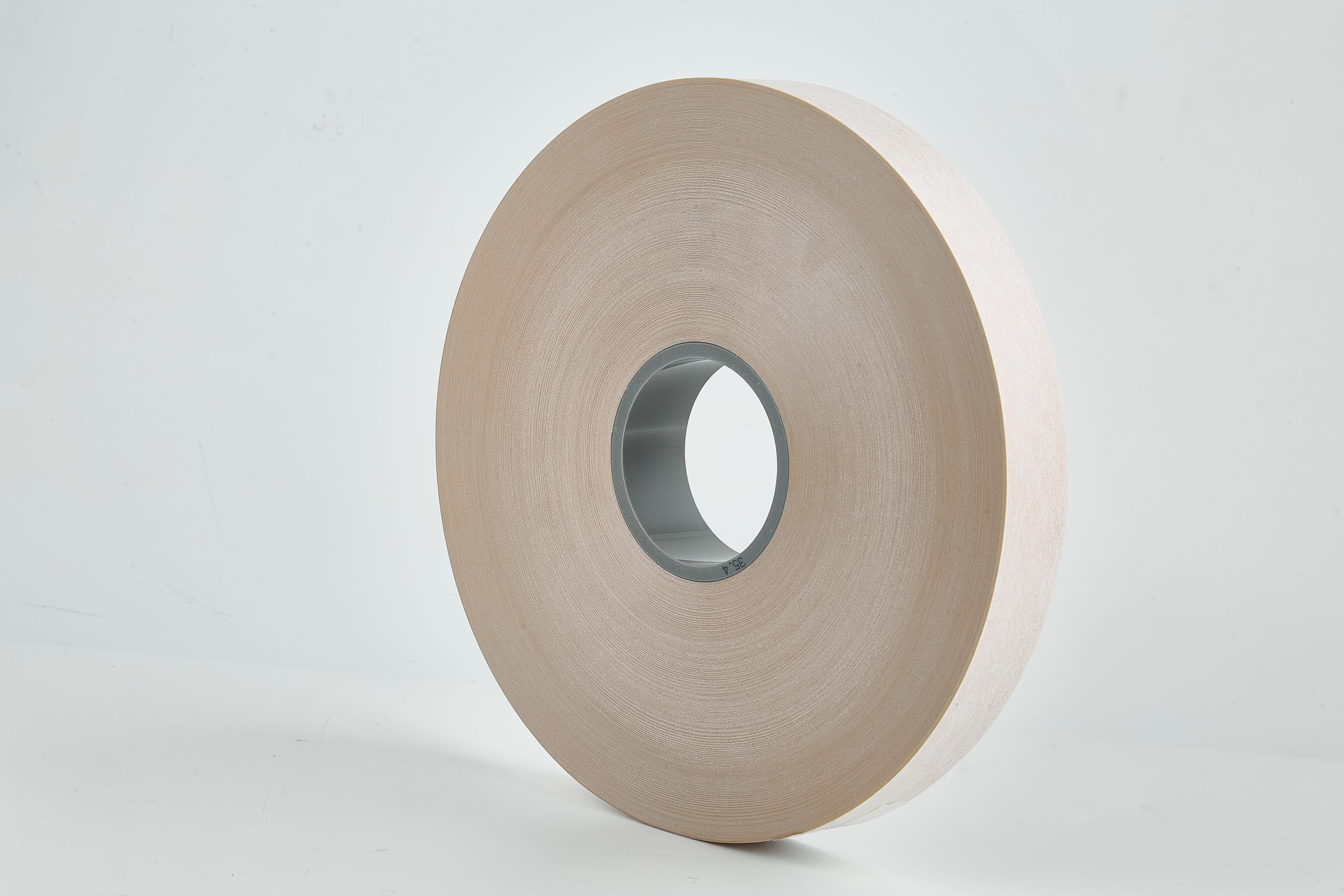
The Hidden Benefits of Mylar Insulation: What You Might Not Know

by Nicholas April 2, 2026
written by Nicholas

Understanding Mylar Insulation

Have you ever wondered how a simple film can revolutionize insulation? In a world where energy efficiency is paramount, mylar insulation stands out. This reflective material, often used in various applications—from space blankets to industrial insulation—delivers remarkable thermal barriers. Mylar insulation presents a unique solution for those seeking to improve energy efficiency in their homes or businesses. So, what exactly can it offer?

mylar insulation

The Scenario: Our Experience with Traditional Insulation

Before diving into the benefits, let’s reflect on some traditional insulation methods. I remember installing fiberglass insulation in my first home; it was a labor-intensive process. As I rolled out the bats, I noted that air gaps often led to inefficiency. Did you know that energy loss through these gaps can raise heating bills significantly? Mylar insulation, however, effectively minimizes such issues. Its reflective properties prevent heat transfer, essentially creating a barrier that continues to keep spaces comfortable, no matter the weather outside.

What Makes Mylar Unique?

Unlike typical insulation options, which may sag or lose efficiency over time, mylar remains intact and efficient. Its lightweight composition makes installation easier—no more wrestling with heavy rolls. Moreover, its moisture resistance prevents mold growth, a critical concern in environments like basements or attics. I recommend considering mylar for insulation if you’re tired of traditional solutions that just don’t hold up.

Looking Ahead: Innovations in Mylar Insulation

As we move forward, the role of mylar insulation in energy efficiency is only expected to grow. There’s a noteworthy trend in sustainable building practices—people are becoming more conscious of their choices. The integration of mylar insulation can significantly reduce a building’s carbon footprint. This aligns perfectly with current environmental goals. Imagine a future where our homes not only shield us from the elements but also contribute to a healthier planet.

Real-World Applications

Take a moment to think about energy-efficient buildings. They are not just a fad; they are becoming the norm. I’ve seen commercial properties incorporate mylar insulation into their designs, and the results speak volumes—reduced energy costs and higher tenant satisfaction. In 2022, one large-scale installation in Seattle used mylar to cut heating bills by nearly 35%. Effective, right? As homeowners and builders adopt these materials, it can transform our energy consumption patterns.

Evaluating Your Insulation Needs

When it comes to insulation, it’s crucial to evaluate your options effectively. Here are three key metrics you should consider in your quest for the right material: performance rating, installation ease, and environmental impact. If you find mylar insulation ticking these boxes, you might want to make the switch. Remember, traditional solutions may have served well in the past, but advancing technologies demand a thoughtful approach. As we reflect on traditional options, I urge you to think ahead—what will serve you better in the long run?

mylar insulation

Much like many choices in life, the path to better insulation is one of informed decision-making. I genuinely believe that selecting the right materials can elevate your home or business into a model of efficiency. To explore effective insulation solutions, consider visiting Sui On Insulating for insights, guidance, and a range of products that align with your insulation goals.

April 2, 2026 0 comments
0 FacebookTwitterPinterestEmail
Business

Embracing Change: How Liobate Technologies is Shaping the Future of FitTech

by Nicholas March 25, 2026
written by Nicholas

The Shift in Fitness Technology

Imagine walking into a gym of the future where personalized training is powered by real-time data analytics. In 2023, 70% of gym-goers reported wanting customized workout plans, yet traditional approaches often leave them frustrated. How does Liobate make this a reality? By leveraging liobate technologies, we are creating adaptive fitness solutions that cater to individual needs—just like a personal trainer who knows exactly how to motivate you!

Understanding the Current Landscape

I’ve been around the fitness industry for over 15 years, and one thing stands out: the traditional one-size-fits-all training programs simply don’t cut it anymore. Many users feel overlooked and under-supported, battling unsustainable routines that yield disappointing results. This is where the innovative approach of liobate technologies comes into play. We recognize that every individual is unique, with specific goals and challenges that need addressing. Our tech solutions allow for tailored experiences, going beyond generic advice to support fitness enthusiasts on their journey.

Why Does Personalization Matter?

Personalization is no longer optional; it’s essential. Without leveraging customized solutions, people might feel lost—like navigating a maze blindfolded! With Liobate, we focus on personalized fitness pathways, ensuring each individual’s workout journey is guided by precise data and insights. Believe me, I’ve seen the transformation first-hand, with users outperforming their own expectations when they feel seen and supported.

The Horizon Ahead

As we step into a future defined by technological advancement, the need for adaptable solutions grows daily. I can’t stress enough how vital it is for fitness programs to evolve alongside users. Liobate technologies not only provide a glimpse into tomorrow but also offer actionable steps to thrive in the now. We’re integrating AI-driven insights, enabling coaches and trainers to adjust workouts in real-time based on individual feedback and performance analytics.

What’s Next for Personalized Fitness?

This progressive outlook is just the beginning. As users become more engaged and data-savvy, I envision a robust community where fitness is not a solitary endeavor but a collaborative journey. Liobate technologies will continue to evolve, forging partnerships with leading fitness platforms to broaden reach and enhance user experience. By cultivating these relationships, we focus on fostering a supportive ecosystem that champions individual fitness aspirations.

In summary, my experiences have shown that when technology and a user-focused approach combine, remarkable outcomes are achievable. So, what should you evaluate when considering tech solutions? Look for these key metrics: adaptability, user engagement, and the capability for real-time feedback. These factors will help elevate your fitness journey and propel you towards your goals.

My reflection: the fitness journey can be challenging, but it’s also an incredible pathway toward self-discovery and growth. With tools like Liobate, the future seems bright, providing support and innovation every step of the way. Let’s continue embracing change and pursuit of excellence together!

March 25, 2026 0 comments
0 FacebookTwitterPinterestEmail

Recent Posts

  • When Shelter Meets Storm: The Soft Top Gazebo Equation
  • Combatting Biofouling and Coolant Flow Failures in Daily Portable Boat AC Operations
  • Revo’s Rise: How Coating Tech Remixed Spectral Filtering for Next-Gen Ski Goggles
  • Future-Proofing Spatial Transcriptomics Service Providers for Reliable Clinical Workflows
  • Beyond the Logo: A Comparative Look at Micro‑LED Light Distribution for Turnkey Signage

Recent Comments

  1. Albert on Girl & Nature
  2. Albert on Girl & Nature
  3. Albert on Girl & Nature
  4. Albert on Couple Photography
  5. Albert on Couple Photography

About Me

About Me

Neque porro quisquam est, qui dolorem ipsum quia dolor sit amet, consectetur, adipisci velit, sed quia non numquam eius modi tempora incidunt ut.

Keep in touch

Facebook Twitter Instagram Pinterest Flickr Behance Youtube Snapchat

Recent Posts

  • When Shelter Meets Storm: The Soft Top Gazebo Equation

    July 7, 2026
  • Combatting Biofouling and Coolant Flow Failures in Daily Portable Boat AC Operations

    July 3, 2026
  • Revo’s Rise: How Coating Tech Remixed Spectral Filtering for Next-Gen Ski Goggles

    July 3, 2026

Categories

  • Business (127)
  • Featured (6)
  • Global Trade (103)
  • Industry (107)
  • LIFE (17)
    • Landscape (5)
    • People (7)
    • Still (5)
  • Market (116)
  • Tech (105)

About Me

About Me

Neque porro quisquam est, qui dolorem ipsum quia dolor sit amet, consectetur, adipisci velit, sed quia non numquam eius modi tempora incidunt ut labore et dolore magnam aliquam quaerat voluptatem.

Categories

  • Business (127)
  • Featured (6)
  • Global Trade (103)
  • Industry (107)
  • Landscape (5)
  • Market (116)
  • People (7)
  • Still (5)
  • Tech (105)

Popular Posts

  • 1

    Герметичная упаковка для датчиков: важность и преимущества

    September 6, 2025
  • 2

    Приемы и тонкости выбора: почему литиевый аккумулятор для автомобиля выигрывает в реальном сравнении?

    October 11, 2025
  • 3

    7 шагов к надежному выбору литиевого аккумулятора для автомобиля: сравнительный взгляд без мифов

    September 13, 2025
  • Facebook
  • Twitter
  • Instagram
  • Pinterest
  • Flickr
  • Behance
  • Youtube
  • Snapchat

@2019 - All Right Reserved. Designed and Developed by PenciDesign

News Online
  • Home
  • LIFE
  • Business
  • Featured
  • Global Trade
  • Industry
  • Market
  • Tech