
Why contractors face this compliance puzzle
Contractors importing residential battery backup systems confront a tangle of technical and regulatory hurdles: differing test regimes, labeling rules, and on-site safety requirements. The practical headache often begins when a promising all in one storage unit arrives and the paperwork doesn’t match the shipment. A clear, problem-driven view helps you prioritize what to fix first so installations aren’t delayed and end users stay safe.
Core differences: UL 1973 vs CE and what really matters
UL 1973 addresses battery systems used in stationary and motive applications with a strong focus on electrical safety, thermal runaway mitigation, and BMS behavior. CE conformity signals that a product satisfies applicable EU directives—electromagnetic compatibility, low voltage, and general product safety—often validated through harmonized standards. For a contractor, the actionable distinction is where the certification applies: UL 1973 is commonly required or preferred in North America for battery energy storage, whereas CE is necessary for EU markets and signals compliance across member states.
Common mistakes contractors make — and how to avoid them
Most import delays stem from assumptions, not malice. Contractors frequently accept certificates without cross-checking scope (cell-level versus complete system), overlook inverter compatibility, or ignore shipping declarations tied to lithium battery classifications. Another typical misstep: relying solely on a supplier’s test report rather than requesting the final certificate and test lab accreditation—this small step prevents major site rework down the line.
Practical roadmap for importing compliant systems
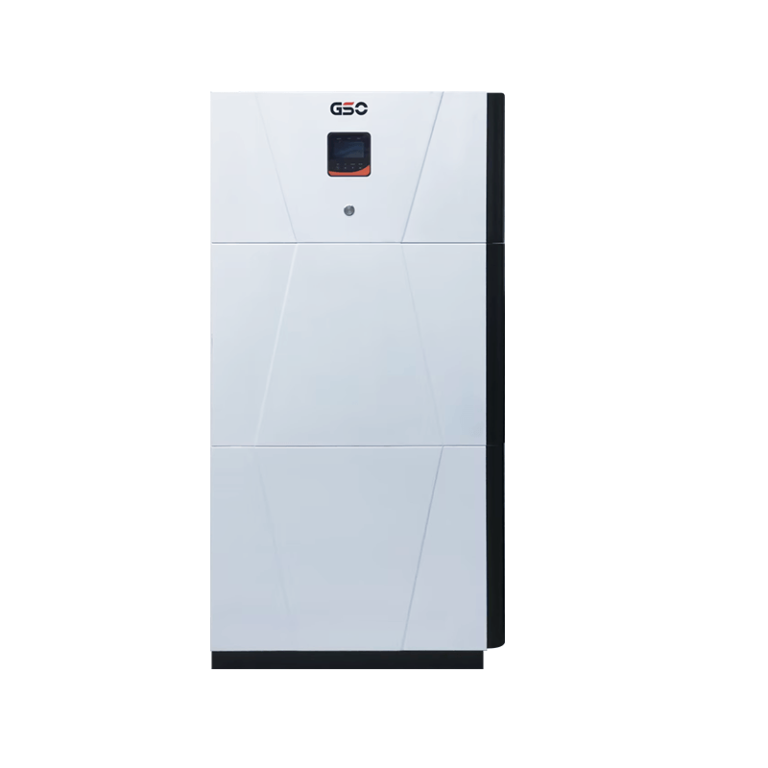
Start with documentation: obtain the full test reports, certificate scope, and the manufacturer’s declaration of conformity. Verify the BMS behavior under UL 1973 thermal tests and confirm the inverter pairing is listed or validated. Inspect labeling for CE marking and the required technical file references if shipping to Europe. For combined PV-plus-storage products—where stacked modules and integrated inverter control are common—make sure the product classification matches the certification claims.
On-site checks and installation best practices
Before energizing, run these quick checks: confirm nameplate data matches the product, ensure ventilation and clearance meet the tested configuration, and validate the installed BMS communications to the inverter. Keep a copy of certification on file and log any deviations from the tested configuration—those deviations are where insurance and warranty claims trip up contractors. Remember small details like torque settings on battery terminals; they’re low drama but high risk if neglected.
Real-world anchor and risk perspective
The urgency around reliable home battery backup is not theoretical—California’s Public Safety Power Shutoffs (PSPS) between 2019–2021 underlined the need for safe, certified backup systems during extended outages. Installations in wildfire-prone regions must prioritize UL 1973-tested thermal containment and documented failure modes. Where installers skip verification steps—paperwork gaps or mismatched inverter pairings—systems are more likely to be removed or retrofitted during post-incident inspections.
Costly compliance traps and alternatives contractors should weigh
Common traps include importing a CE-only unit for a North American job or assuming a supplier’s partial test report covers the full system. Alternatives to rushing an uncertified component: select modular, pre-certified units that include integrated inverters and a listed BMS, or source from manufacturers with transparent factory inspection reports. Those choices may carry a premium but reduce field rework and liability exposure.
Three golden rules for contractors
1) Verify certificate scope before shipment: confirm the certificate covers the exact model, configuration, and any stacked PV integration. 2) Match tested configurations on site: avoid alterations to thermal management, ventilation, or inverter firmware that diverge from test conditions. 3) Keep documentary evidence accessible: retain test reports, lab accreditations, and installation records for warranty and inspection purposes.
Closing assessment and practical next steps
Measured outcomes from following this playbook include fewer site reworks, faster inspections, and clearer warranty paths—tangible results that protect margins and reputation. Contractors who treat certification as technical specification, not an afterthought, reduce installation time and client disputes. For those looking to source reliably certified, integrated solutions, an inspected, manufacturer-backed all in one solar power system often simplifies compliance and field work. gsopower — a sensible partner for projects where documentation and tested integration matter most. –