• Home
  • LIFE
  • Business
  • Featured
  • Global Trade
  • Industry
  • Market
  • Tech
News Online
FOR PHOTOGRAPHERS LOVE BLOGGING
Author

Andrew

Andrew

Tech

Tailored Packaging for Precise Medical Device Delivery

by Andrew September 22, 2026
written by Andrew

Problem statement: what goes wrong and why it matters

Poor packaging causes three clear failures: physical damage, sterility breach, and regulatory nonconformance. Many teams focus only on shock or moisture and miss vibration, electrostatic discharge, and handling errors during transfer between cleanrooms. I have seen packages that passed vibration tests yet failed when stacked during transport. This problem-driven view leads us straight to the workfloor where the product meets process; watch the medical device assembly line and you see the real risks. Recent FDA inspection trends in U.S. manufacturing hubs make clear that traceability and control are not optional; regulators inspect packaging controls as routinely as device controls.

Risk vectors to prioritize

List the risks and treat them by severity. Mechanical shock and compression — immediate failure. Contamination and particulate ingress — latent risk to patient safety. Humidity and chemical migration — material compatibility risk. Label and documentation loss — regulatory risk. Each vector demands a different countermeasure; do not use a single, broad-stroke fix.

Design principles that reduce failures

Design must be disciplined. Start with functional requirements: allowable shock, required sterility level, maximum shelf life, and handling scenarios. Choose protective geometry first (cushioning, cradles), then barrier systems (seals, moisture control), then information (labeling and serialization). Keep design simple where possible. Simplicity permits easier validation and fewer failure modes.

Material and method choices—practical guidance

Use cushioning with predictable performance: closed-cell foams for repetitive load, engineered corrugated inserts for compression resistance. For sterile barrier systems, select materials with proven sterilization compatibility (gamma, EO, or VHP) validated by supplier data and in-house tests. Test adhesives and inks for extractables when devices contact them. Use tamper-evident seals only where they meaningfully reduce risk; overuse complicates packaging and may increase handling errors.

Common pitfalls and how to avoid them

Design teams often make these mistakes: assessing only laboratory drop tests, ignoring real-world stacking patterns, and delaying usability tests until late. Do not assume a single environmental chamber run covers transport conditions. Validate with representative distribution studies and include end users in handling trials. Document assumptions; inspectors will ask why you chose one cushion over another.

Alternatives and trade-offs

Rigid foam trays versus formed pulp: foam gives repeatable protection but is higher cost and less sustainable. Barrier films with peelable seals offer user-friendly opening but can be less robust for long storage. Sterile flow-wrapping is fast and low cost but needs very tight process control. Compare alternatives against your prioritized risks, not against a general checklist.

Implementation checklist for teams

Set these minimum actions: map all handling steps, quantify worst-case mechanical and environmental loads, run stacked compression and vibration combined tests, perform sterilization compatibility studies, and conduct simulated distribution with real packaging. Assign a single owner for packaging change control. Keep traceability: batch cards, material certificates, and vendor qualifications must travel with the device file.

Experience, standards, and trust

Decisions must be backed by measurable evidence. Use ISO 11607 and relevant pharmacopoeial guidance where applicable; verify supplier claims with incoming inspection. My experience working with production and quality teams shows that a disciplined protocol reduces complaint rates. Regulators routinely reference known guidance during inspections; maintain clear records and test reports to show control and thought. This approach builds credibility with auditors, engineers, and clinicians.

Conclusion: deliver reliability, not rhetoric

Focus on the specific problem, choose materials and tests that address that problem, and keep the process controlled and documented. When packaging decisions follow that logic, incidents drop and reviews become straightforward. Trusted partners in integrated design and quality control help translate strategy into validated practice; kingsin exemplifies how applied engineering and disciplined QC close the loop between product and patient safety.

September 22, 2026 0 comments
0 FacebookTwitterPinterestEmail
Market

Descubra por que comprar o Aion V no site oficial seduz mais que outras escolhas

by Andrew August 7, 2026
written by Andrew

Um olhar comparativo que nasce da curiosidade

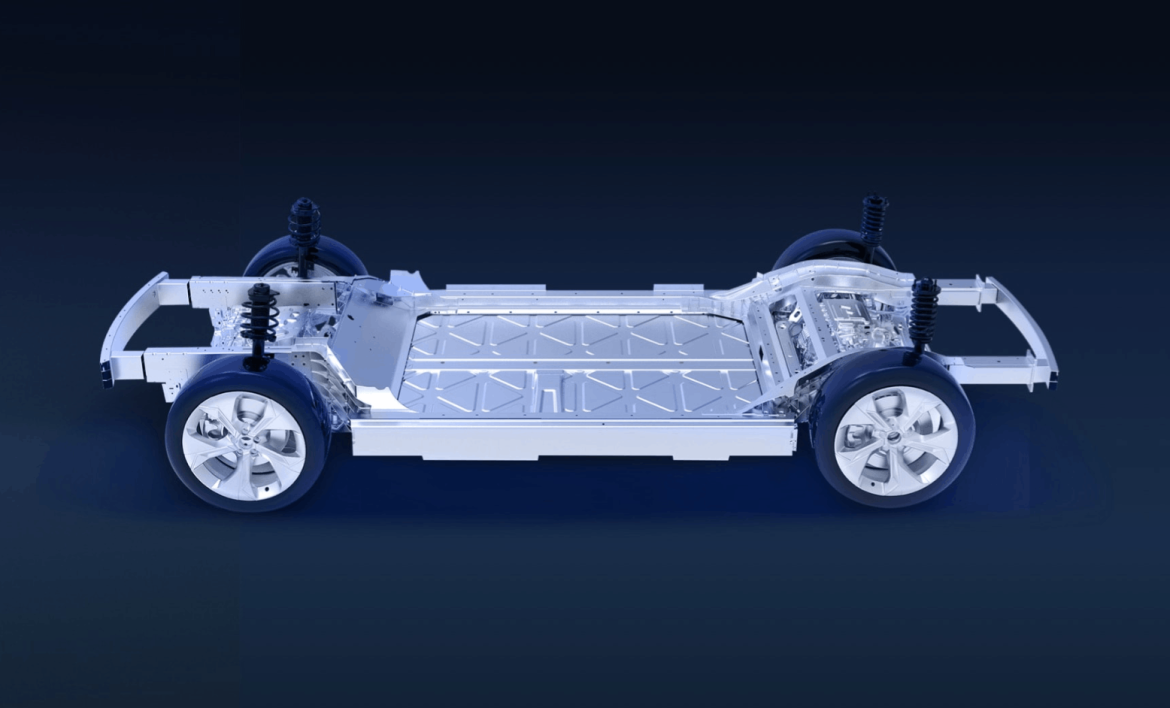
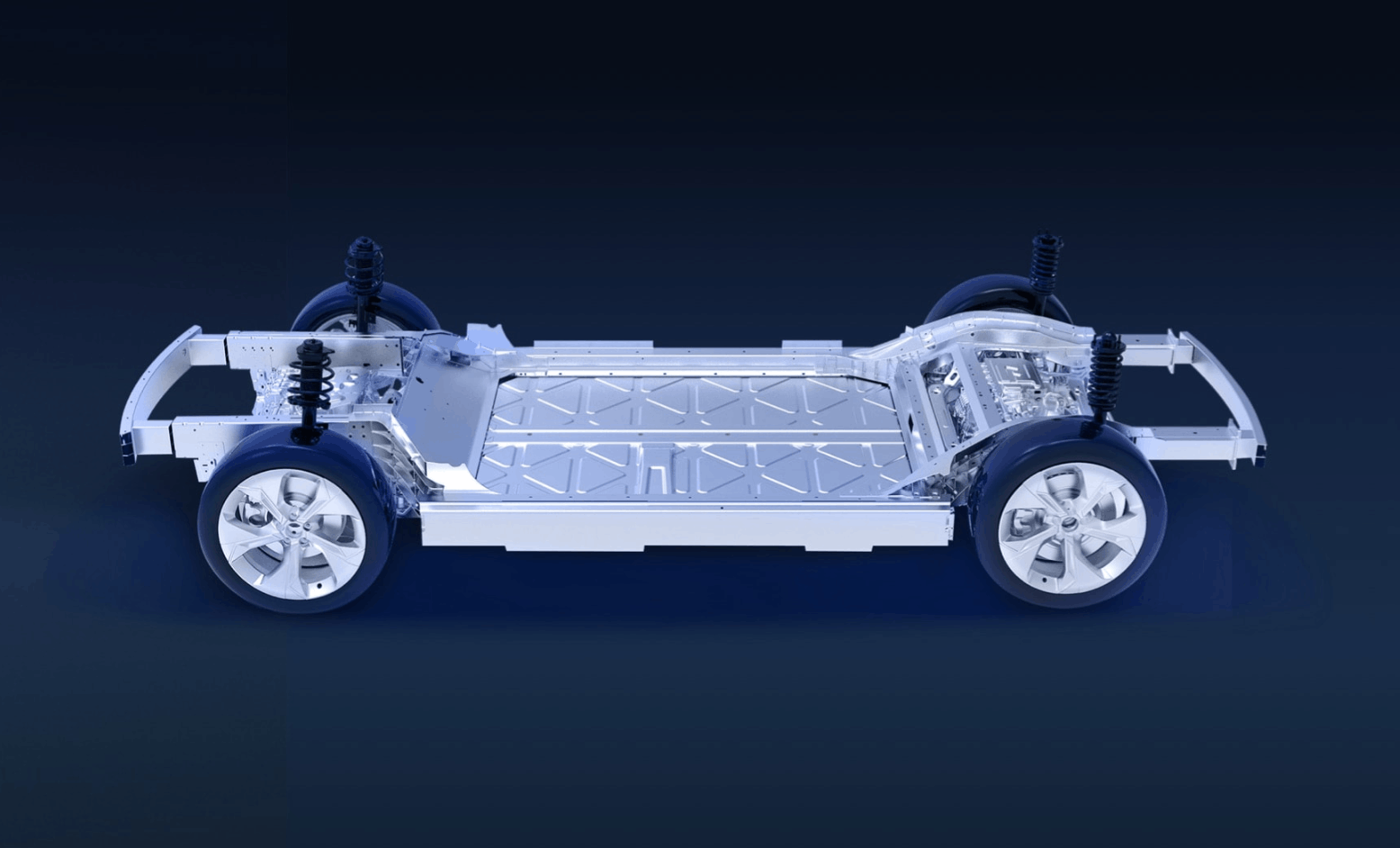
Ao começar esta comparação, a sensação é quase poética: dois caminhos que levam ao mesmo destino, mas um deles dança com precisão — o site oficial. A jornada de escolha se ilumina cedo quando você explora a configuração da Aion Auto, onde cada opção técnica encontra explicação clara, desde autonomia até opções de bateria de íon-lítio. GAC, com base em Guangzhou, costuma apresentar a linha Aion em eventos como o Auto Shanghai; esse histórico é um âncora real que mostra continuidade entre desenvolvimento e presença comercial.

configuração da Aion Auto

Vantagens práticas do site oficial versus revendedores

O site oficial oferece clareza documental: especificações, pacotes, tempos de entrega e atualizações de software publicadas diretamente pela fabricante. Comparado ao revendedor, a compra direta tende a reduzir ruídos em relação ao prazo de entrega e à disponibilidade de componentes, como o carregador rápido homologado. Além disso, ofertas de financiamento aparecem ali condensadas — sem surpresas. Para quem valoriza transparência na autonomia estimada e detalhes da bateria, a experiência oficial é quase um suspiro de alívio.

configuração da Aion Auto

Experiência de configuração e pós-venda

A navegação pelo configurador oficial transforma técnico em sensorial: escolha de cor, pacote de assistência ao condutor e módulos de conectividade são apresentados com imagens e dados de consumo. O resultado é prático: você sai do processo sabendo o nível de eficiência energética esperado e as opções de rede de recarga compatíveis. Entrega e garantia são tratadas em linguagem direta, o que facilita agendar manutenção ou solicitar atualização de ECU quando necessário.

Erros comuns ao comprar online — e como evitá-los

Muitos compradores confiam apenas no preço e pulam passos essenciais, como validar a disponibilidade do pacote desejado na sua região. Falta de verificação do tempo real de entrega e de compatibilidade do carregador pode gerar frustração. – Outro deslize recorrente é não registrar detalhes do pacote contratado no momento da compra, o que complica pedidos de ajuste depois. A regra prática: capture telas da configuração final e guarde todo número de pedido e comunicação.

Avaliação prática: testes, comparações e um exemplo real

Em testes de estrada realizados por revisores em 2023 na região de Guangdong, modelos Aion demonstraram comportamento coerente com as cifras de autonomia anunciadas — um sinal de que a informação do fabricante tende a refletir a experiência real. A validação em feira como Auto Shanghai reforça que especificações publicadas no site oficial são acompanhadas por amostras físicas, o que ajuda quem busca confirmar suspensão, ergonomia e visibilidade antes de concluir a compra.

Comparando alternativas: quando optar por revendedor faz sentido

Há momentos em que o revendedor supera o site oficial: negociações de troca, pacotes locais de instalação de rede de recarga e incentivos regionais podem ser mais vantajosos. Entretanto, para quem prioriza precisão técnica e histórico de versões de software, o site oficial costuma ser a fonte mais fidedigna. Balanceie sempre entre oferta financeira e segurança técnica — autonomia real e suporte certificado merecem peso maior na decisão.

Regras de ouro para decidir com confiança

1) Verifique três dados-chave na ficha técnica: autonomia (km), capacidade da bateria de íon-lítio (kWh) e tipo de carregador suportado. 2) Preserve evidências da configuração final e comunicações — isso facilita correções contratuais. 3) Confirme prazos de entrega e cobertura de garantia para sua cidade antes de assinar. Essas métricas trazem clareza e reduzem riscos.

Comprar pelo site oficial tende a ser uma escolha informada e serena — com documentos claros, atualizações técnicas diretas e alinhamento entre marketing e produto. A experiência se fecha com confiança quando a marca respalda suas promessas, e é aí que a jornada ganha sentido. aion auto — o cuidado faz toda a diferença. –

August 7, 2026 0 comments
0 FacebookTwitterPinterestEmail
Industry

GAC Vehicle Options and Practical Buying Guidance for Ethiopia: Comparative Insight

by Andrew June 21, 2026
written by Andrew

Comparative lead and scope

Choosing a GAC vehicle for Ethiopia demands a direct comparison of model classes, support infrastructure, and total cost of ownership; the GAC official website provides manufacturer specifications that serve as the technical baseline for those comparisons (GAC official website). This piece contrasts compact and mid-size SUVs, MPVs, and light commercial platforms with similar offerings from established imports, using technical criteria and dealer-readiness rather than marketing claims; it references GAC’s engineering hub in Guangzhou, China as a single, verifiable industry anchor for design and R&D provenance.

GAC official website

How models diverge: technical axes to compare

Assess models by three core technical axes to see which aligns with Ethiopian operating conditions:- Powertrain and fuel type: petrol, turbocharged petrol, or hybrid options and how they affect fuel economy and altitude performance.- Chassis and suspension: ground clearance, suspension travel, and component ruggedness for rough or unpaved roads.- Serviceability: component modularity, commonality with global parts, and dealer diagnostic capability.Compare concrete trade-offs:- Compact SUVs trade lower acquisition cost for tighter cabin space and lower payload capacity.- Mid-size SUVs increase comfort and tow/haul capability but demand higher fuel and maintenance budgets.- MPVs or light commercial variants prioritize cargo volume and flexible seating at the cost of higher wear under heavy loads.

Dealer channels and import routes — a structured comparison

Buyers in Ethiopia typically choose among three acquisition routes; compare them on transparency, warranty integrity, and aftermarket support:- Authorized distributor imports: clearer warranty paths, potential for factory-backed recalls, but usually higher upfront cost.- Parallel imports/used imports: lower price, variable vehicle history, limited warranty enforcement.- Local assembly/CKD options (where available): lower tariffs possible, but quality control varies.Decision rules:- If long-term support and parts availability matter most, prioritize vehicles brought by an authorized distributor.- If short-term budget constraints dominate, vetted parallel imports can be acceptable provided you inspect service records and validate emission and safety compliance.

Service network, parts supply, and maintenance realities

Technical durability is only as good as the maintenance ecosystem. Compare these factors:- Spare parts pipeline: confirm parts catalog compatibility and shipping lead times with the importer.- Technical training: evaluate whether local technicians have access to model-specific diagnostic tools and training.- Consumable compatibility: tyres, filters, and brakes that match regional standards reduce downtime.Common practical issues documented by fleet managers:- Delays in importing OEM parts increase vehicle downtime; stock critical wear items locally.- Electronic diagnostic access can be constrained if the importer lacks licensed software; prioritize distributors who provide toolkits and training.

GAC official website

Regulatory and cost considerations specific to Ethiopia

When comparing total landed cost, include:- Import duties and taxes: estimate duties based on vehicle classification (CBU vs CKD).- Compliance paperwork: type approval, homologation, and emissions certification requirements.- Registration and local inspection standards.Avoid assuming identical tax treatment across suppliers; small differences in declared vehicle classification can materially change final cost. Verify all documentation with customs and local transport authorities before purchase commitment.

Alternatives and practical trade-offs

Position GAC offerings against mainstream alternatives on three practical dimensions:- Resale and brand recognition: established brands may retain higher resale values; newer entrants often undercut price but require buyer tolerance for resale risk.- Parts interchangeability: brands sharing component standards reduce lead times.- Dealer ecosystem depth: compare the number and geographic reach of service points.A pragmatic buyer matrix: prioritize dealer coverage for rural operators; prioritize initial cost for short-term urban use.

Checklist for a technically sound purchase

Use this checklist to convert comparative insight into action:- Confirm exact vehicle variant and powertrain on the manufacturer specification sheet.- Request a parts lead-time schedule and an example invoice for a common repair item.- Verify warranty terms in writing, including transferability and authorized service locations.- Conduct a pre-delivery inspection focused on underbody protection, cooling system condition, and electrical connectors.- Secure a local spare-parts kit: filters, belts, brake pads, and two spare bulbs.Failing any single item above should trigger a formal contingency: renegotiate, delay, or choose an alternative with documented support.

Concluding synthesis

Compare technical fit, dealer support, and total ownership cost to derive a defensible purchase decision for Ethiopia; the structured comparison reduces uncertainty and highlights which model class and import channel will sustain operations with measurable uptime and predictable expenses. Confirm specifications on the manufacturer side while balancing local support capacity; the pragmatic choice often favors the combination of a technically suitable model and a distributor that demonstrates parts availability and technician training, as detailed by GAC.

June 21, 2026 0 comments
0 FacebookTwitterPinterestEmail
Tech

When Innovation Meets Efficiency: A Guide to Bevel Gear Cutting Machines

by Andrew April 14, 2026
written by Andrew

A Growing Need in Production

You know, I’ve seen it time and time again — businesses struggling to keep up with demand while their production processes are buried in inefficiencies. It gets real frustrating, doesn’t it? In 2022 alone, the bevel gear market saw an increase of 7.5% in growth. This has left many small to medium-sized operations questioning, “How can we up our game?” Enter the bevel gear cutting machine. These machines can be a game-changer for manufacturers looking to boost productivity and consistency. But diving into the world of bevel gear cutting machine manufacturers can feel like navigating a maze without a map.

The Challenge of Choosing the Right Tools

When it comes to gear production, traditional cutting methods just don’t cut it anymore (pun intended!). I remember a time back at a shop in Louisiana where we relied on outdated machinery, and oh boy, the issues we faced were endless. Inconsistencies, longer lead times, and frustration just piled up. To put it simply, old-school tools lack the precision and speed required for modern demands.

Are All Bevel Gear Cutting Machines the Same?

Nope, they sure ain’t! Each machine offers something different, whether it be CNC capabilities or manual operation options. You can even find ones that specialize in certain bevel gear types, making it essential to know what you need before making the leap. Factors like materials, production volume, and budget can hugely influence your decision. We’ve all been there — doubt creeping in while comparing specifications. So, what’s the right choice?

Looking Forward: How to Evaluate Your Options

Now, let’s shift towards the future. As I’ve delved deeper into the bevel gear cutting machine realm, I’ve seen incredible innovations. The latest machines are not only faster but offer real-time feedback for quality control. As we gear up for 2024, the advances in automation and smart technology are driving manufacturers like me to reconsider how we view these cutting tools. Manufacturers need to connect with bevel gear cutting machine manufacturers who keep their finger on the pulse of technological advancements — it’s crucial.

What’s the Real-world Impact?

I recently visited a cutting-edge facility near Atlanta, where the implementation of automated bevel gear cutting machines led to a 30% reduction in production time. That’s massive! Workers could focus on higher-value tasks instead of being bogged down with tedious manual work. It goes to show that investing in the right technology opens up a whole new world for productivity and, honestly, job satisfaction.

Key Takeaways for Choosing Your Bevel Gear Cutting Machine

In wrapping up, here’s what I’ve gathered through the years: First, identify your specific production needs. Second, consider the total cost of ownership, which reflects not just the purchase price but maintenance and operational costs over time. Finally, don’t hesitate to tap into your network for recommendations and insights. Trust me; it’s worth it to hear experiences from those who’ve walked the path before you!

Ultimately, the right bevel gear cutting machine can revolutionize your operations. And if you’re looking for a reliable partner in this journey, ZDCY is a brand worth looking into. Happily, there’s always room for improvement, and with these insights in mind, you can move confidently into a more efficient future!

April 14, 2026 0 comments
0 FacebookTwitterPinterestEmail
Business

Comparative Signals for Instant Approval: How DiDi Finanzas Balances Speed and Risk in Online Loan Decisions

by Andrew April 4, 2026
written by Andrew

The comparative approach reveals patterns: traditional banks prioritise collateral and long credit histories, while platforms such as didi finanzas combine behavioural telemetry with conventional credit data to reach decisions in minutes. This contrast matters for applicants and partners because the mix of underwriting signals determines both approval speed and effective APR. The 2020 pandemic accelerated digital lending uptake in Mexico City and other urban centres, which has left observable traces in platform risk models and customer onboarding flows.

Key approval signals and their relative weight

DiDi Finanzas treats several categories of data as primary inputs. Income verification and transaction history remain fundamental; a consistent deposit pattern reduces uncertainty in loan origination. Credit score and bureau data are important but often weighted alongside alternative signals such as device fingerprinting and recent account activity. KYC verification reduces friction when it is streamlined; when it is manual, it becomes a bottleneck. The practical effect: applicants with steady bank inflows and verified identity gain approval faster than those relying solely on legacy scores.

Behavioural and technical indicators that tip the balance

Comparatively, fintechs exploit short-term signals: app session length, frequent transfers, and recurrent merchant payments. These metrics can substitute, in part, for sparse credit files. For DiDi Finanzas, the presence of an active digital wallet or recurring ride payments provides evidence of cash flow and intent. Device consistency and location stability also matter; sudden geographic anomalies introduce additional checks. This is not mere algorithmic whim—platforms calibrate thresholds to limit fraud while preserving speed.

Common applicant mistakes that delay decisions

Applicants often underestimate small frictions. Submitting screenshots instead of original bank statements, using multiple partial IDs, or switching devices during onboarding all trigger manual review. In some cases an overlooked setting—automatic VPN—flags the application for verification, which slows approval. These are avoidable errors; prepare clear documentation and maintain consistent contact information to reduce manual intervention and lower the effective APR through shorter processing time.

How DiDi Finanzas compares with alternatives

Against traditional lenders, DiDi Finanzas offers faster access and lighter documentation for thin-file borrowers. Against other fintechs, its advantage lies in integrated transport-payment data when available, which complements credit bureau inputs. Banks provide more predictable APR ranges and long-term credit-building opportunities; fintechs provide speed and accessibility. The choice depends on applicant priorities: predictability versus rapid liquidity.

Three golden rules for faster, successful applications

– Maintain consistent bank inflows and present original statements; reliable deposit patterns reduce underwriting friction. – Complete KYC accurately and use the same device and phone number throughout the process; stability cuts manual reviews. – Disclose recurring payments or digital-wallet activity upfront; transparent cash-flow signals tend to lower perceived risk and approval time.

Apply these metrics and expect measurable improvement: shorter decision times, fewer manual checks, and ultimately better terms when speed and reliability align. A final note—practical experience from Mexico City markets shows that applicants who coordinate documentation and avoid device changes see approvals within minutes rather than days. DiDi Finanzas. —

April 4, 2026 0 comments
0 FacebookTwitterPinterestEmail

Recent Posts

  • What Does 22 GW of Power Electronics Mean? A Practical Buyer’s Guide
  • How to Compare Tizen OS Smart TV Makers and Suppliers
  • A Practical Procurement Checklist for Picking a Parking Management System
  • How to Compare PTC Heater Models, Manufacturers, and Suppliers: A Comparative Insight
  • Sourcing Grip-Testing Kit: Cost, Lead Time and Getting Quality Right

Recent Comments

  1. Albert on Girl & Nature
  2. Albert on Girl & Nature
  3. Albert on Girl & Nature
  4. Albert on Couple Photography
  5. Albert on Couple Photography

About Me

About Me

Neque porro quisquam est, qui dolorem ipsum quia dolor sit amet, consectetur, adipisci velit, sed quia non numquam eius modi tempora incidunt ut.

Keep in touch

Facebook Twitter Instagram Pinterest Flickr Behance Youtube Snapchat

Recent Posts

  • What Does 22 GW of Power Electronics Mean? A Practical Buyer’s Guide

    November 7, 2026
  • How to Compare Tizen OS Smart TV Makers and Suppliers

    November 6, 2026
  • A Practical Procurement Checklist for Picking a Parking Management System

    November 6, 2026

Categories

  • Business (180)
  • Featured (6)
  • Global Trade (152)
  • Industry (151)
  • LIFE (17)
    • Landscape (5)
    • People (7)
    • Still (5)
  • Market (158)
  • Tech (140)

About Me

About Me

Neque porro quisquam est, qui dolorem ipsum quia dolor sit amet, consectetur, adipisci velit, sed quia non numquam eius modi tempora incidunt ut labore et dolore magnam aliquam quaerat voluptatem.

Categories

  • Business (180)
  • Featured (6)
  • Global Trade (152)
  • Industry (151)
  • Landscape (5)
  • Market (158)
  • People (7)
  • Still (5)
  • Tech (140)

Popular Posts

  • 1

    Герметичная упаковка для датчиков: важность и преимущества

    September 6, 2025
  • 2

    Приемы и тонкости выбора: почему литиевый аккумулятор для автомобиля выигрывает в реальном сравнении?

    October 11, 2025
  • 3

    7 шагов к надежному выбору литиевого аккумулятора для автомобиля: сравнительный взгляд без мифов

    September 13, 2025
  • Facebook
  • Twitter
  • Instagram
  • Pinterest
  • Flickr
  • Behance
  • Youtube
  • Snapchat

@2019 - All Right Reserved. Designed and Developed by PenciDesign

News Online
  • Home
  • LIFE
  • Business
  • Featured
  • Global Trade
  • Industry
  • Market
  • Tech