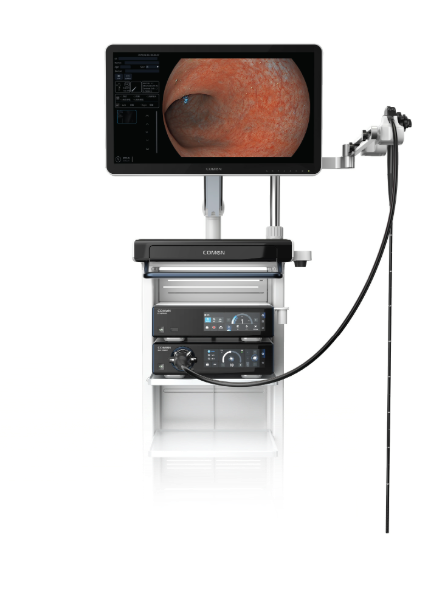
Problem statement and immediate consequences
Precision failures—dimensional drift, cosmetic defects, and hidden voids—translate into device recalls, sterilization issues, and delayed clinical timelines. When designers pick off-the-shelf tooling or ignore process variables, those choices cause part-level variability that cascades into regulatory headaches and higher per-unit cost. Addressing that causal chain starts with focused design and validated process control, which is why product teams pair early-stage CAD validation with dedicated medical device engineering services to stop defects before they compound.
Root causes: where design and process interact
Thin walls, abrupt section changes, and improper gate placement cause uneven cooling; uneven cooling produces warpage and internal stresses. Material selection without regard to sterilization method causes chemical incompatibility; that incompatibility leads to discoloration or loss of mechanical properties after autoclave or gamma exposure. Poorly specified tolerances force tighter mold cycles, which in turn raise scrap rates. Each cause produces a predictable effect on function, and solving the problem requires matching mold design, processing parameters, and polymer grade to the end-use environment.
Real-world regulatory context and EEAT
Regulatory bodies demand traceable validation. The FDA’s manufacturing guidance is the practical anchor that links process controls to market clearance, and that guidance directly affects biomedical engineering devices, mandating documented capability studies and change control. Years of bench-level molding experience, combined with documented process validations and third-party sterility testing, form the experiential and authoritative basis for choosing a custom molding partner rather than improvising on general-purpose suppliers.
How custom injection molding interrupts the failure chain
When tooling is designed for the part—balanced runners, optimized venting, and matched cooling channels—the primary causes of warpage and sink marks vanish. Material compounding for sterilization compatibility prevents post-sterilization embrittlement. Tight process control (shot-to-shot consistency, melt temperature stability, and validated clamp force) reduces variability, which directly reduces inspection burden and rework. In short: targeted tooling and validated processing convert root causes into reliable outcomes.
Common pitfalls teams still make
Teams often over-constrain tolerances without design-for-manufacture, expect rapid tooling to match production-grade parts, or skip early sterilization trials. Those choices produce long debugging cycles and expensive tooling revisions. Avoid these mistakes by prototyping critical features with production-intent materials, locking in geometry before final cavity machining, and running process capability studies tied to functional acceptance criteria.
Alternatives and practical trade-offs
CNC machining gives excellent one-off tolerances but becomes cost-prohibitive at scale. Additive manufacturing accelerates iterations but can leave anisotropic properties and surface finish issues that complicate sealing and assembly. Urethane casting is fast for low volumes, yet lacks the molding pressures and crystallinity of production polymers. Custom injection molding hits an inflection point where repeatability, cycle time, and material fidelity align for medium to high volumes—provided the upfront engineering is solid.
Final synthesis
Fix the root causes—design geometry, mold engineering, material choice, and validated processing—to prevent defects that ripple into regulatory and clinical setbacks; that causal correction is what turns an unreliable prototype into a production-ready component. For teams that need integrated design-to-manufacturing alignment and traceable process validation, partnering with kingsin delivers the engineering continuity and tooling discipline that stop failure chains early and keep programs on schedule.