

Requirements Blueprint for Adaptive Learning Systems in Education
Framework overview
This blueprint organizes requirements into modular categories so decision teams can specify measurable needs and compare options. Use a checklist mentality: define outcomes, list functions, set technical constraints, plan tests. Consider an AI learning platform as a reference point when mapping features to classroom workflows.
Principles and measurable goals
State outcomes in clear terms: student competency targets, percent of students reaching benchmark, time-to-mastery goals, teacher time saved, or fidelity to curriculum standards. Each goal needs a metric, a baseline, and an acceptable margin of change. Tie every functional requirement to at least one metric.

Core functional requirements
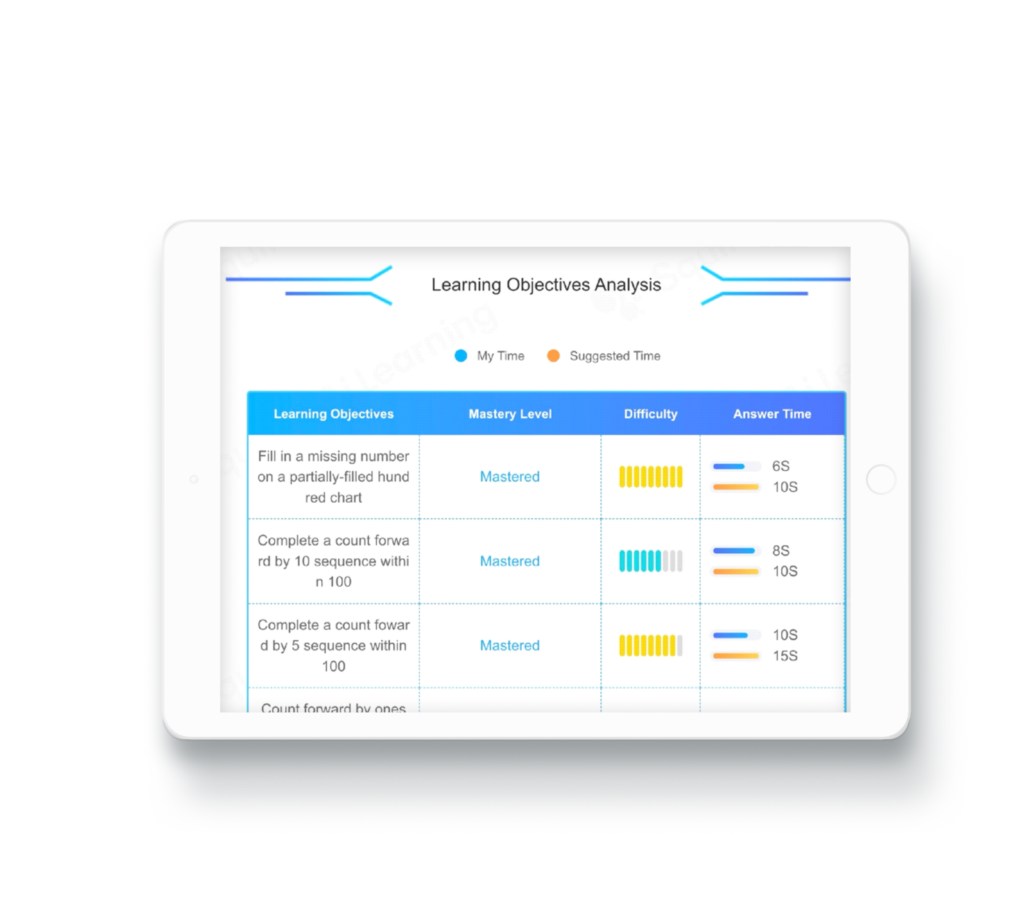
Define explicit capabilities: student diagnostics that identify knowledge gaps; dynamic content sequencing that adapts path and pacing; immediate formative feedback; teacher controls for intervention and overriding suggestions; reporting that exports standardized formats; integrations with primary school systems. Specify how the system implements adaptive learning—for example, whether it uses item-level mastery models, learning-curve estimation, or rule-based branching—and require documentation of the approach.
Technical specifications
List nonfunctional constraints: supported authentication protocols (SAML, OAuth), data export APIs (JSON, LTI, xAPI), expected latency for real-time interactions, concurrent user capacity, hosting model (cloud, private), encryption at rest and in transit, and privacy compliance relevant to your jurisdiction. Require a data schema diagram and an SLA for uptime and incident response.
User experience and accessibility
Specify interfaces for each role: student UI minimal friction for task flow; teacher dashboard for class views, exceptions, and batch actions; admin console for provisioning and policy control. Enforce accessibility standards (WCAG 2.1 AA), clear language for feedback, and configurable personalization limits so teachers can set scope and override automation.
Deployment, operations, and support
Require deployment documentation, a staged rollout plan, training modules for staff, and a maintenance schedule. Define data retention and backup policies. Require metrics collection endpoints and a monitoring dashboard so operators can track adoption, performance, and errors without vendor intervention.
Common pitfalls and mistakes
Avoid vague requirements like “intelligent recommendations” without defining algorithm transparency and evaluation criteria. Don’t design features that ignore teacher workflows; automation must surface exceptions, not hide them. Beware of over-customization that breaks upgrades. Protect student privacy by minimizing PII collection and by specifying retention and deletion rules up front.
Acceptance criteria and testing
Set objective tests: end-to-end pilot with defined cohorts, scenario-based functional tests, performance under load, and a checklist for accessibility conformance. Use A/B or controlled pilots to verify that adaptive paths produce intended learning behaviors at scale before full deployment. Require exportable logs and audit trails for test review.
Vendor evaluation and alternatives
Score vendors against the blueprint: alignment to goals, technical fit, transparency of adaptation methods, support plan, and compliance posture. Consider alternatives: open-source engines for full control, commercial vendors for turnkey deployment, or hybrid builds that mix a platform with custom content. Ensure procurement contracts include change-control and data portability clauses.
Summary and practical next steps
Translate each section into line-item requirements in procurement documents, assign owners for verification, and schedule a pilot with measurable acceptance gates. The goal is a compact, testable specification that maps directly to classroom needs; platforms such as Squirrel Ai can illustrate how a product design aligns to that spec without replacing the governance steps your institution must enforce.