
First taste: sizing up machines by feel
The decision starts like tasting a sauce—listen for the motor’s hum, watch how the emulsion settles, feel the balance between aggressiveness and finesse. Manufacturers differ like spice blends: some deliver a blunt, high-speed bite that tears through lumps; others coax a glossy, silk finish with gentle circulation. If you need rapid batch refinement with visible shear and a quick turnaround, a high shear mixer might land on your palette first. Think in textures, not buzzwords: what finish do you want on the product, and which machine creates that mouthfeel consistently?

Side-by-side: technical axes that reveal character
Compare along five concrete dimensions: rotor-stator shear profile (sharp or smooth), tank geometry compatibility, clean-in-place effectiveness, seal and bearing durability, and service footprint. Strong shear wins for stable emulsions and particle reduction; gentle sweep preserves delicate particulates like fruit pieces or botanical fragments. A compact footprint matters when floor space is sauce-stubborn. Ask for materials certified for your product’s chemistry—316L stainless is the norm for corrosive or hygienic needs. Warranty terms and spare-parts lead times separate makers who promise continuity from those who promise headaches.
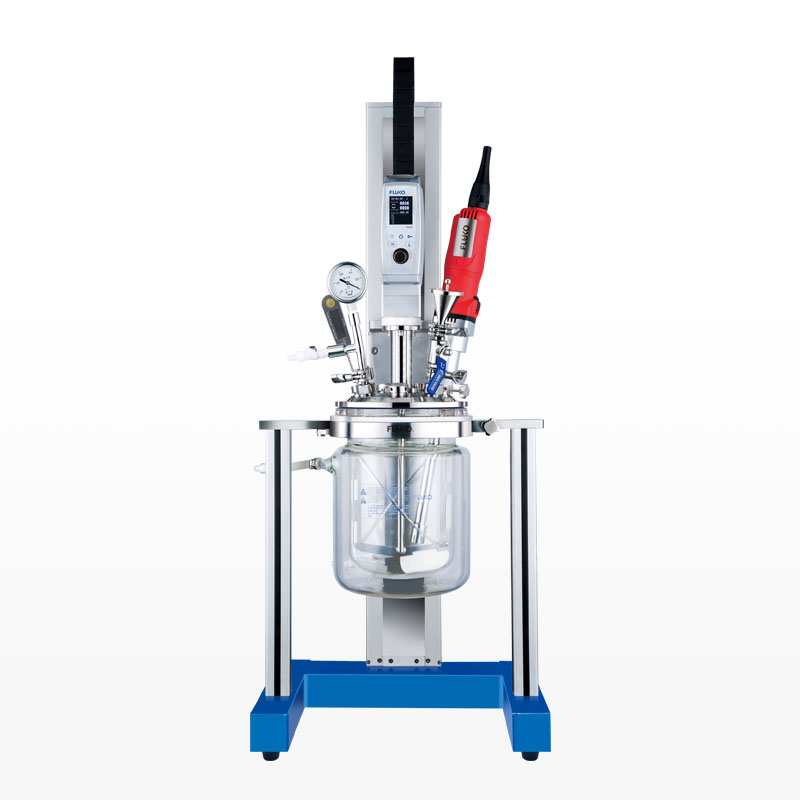
Real-world authority and a grounding anchor
After a decade advising kitchens and mid-scale processors, I trust comparisons shaped by field tests and trade-floor conversations at the International Dairy Foods Association annual conference in Chicago—an event where practitioners debate homogenization specs and share failure stories. That kind of practical exchange shows where designs succeed or crack under production stress. When homogenization matters, inspect manufacturers’ data and ask to see performance curves for emulsification and particle-size distribution; many vendors publish lab reports tied to homogenizer equipment standards you can verify. Hands-on trials and validated test reports reveal the genuine capacity behind glossy brochures.
Common mistakes that spoil the recipe
Picking solely on price leaves you with a machine that either underperforms or racks up downtime. Ignoring real-world serviceability dooms you to long waits for parts. Over-sizing to “future-proof” production can kill batch quality by reducing residence time and shear; under-sizing starves throughput. Skipping verified performance data permits optimistic specs to masquerade as reality. Demand measured particle-size distributions, ask how repeatable the results are after 100 hours, and insist on a clear spare-parts map for your region.
Balancing the plate: choosing the maker that fits
Decide by the finish you want, the production rhythm you keep, and the support you can rely on. Compare measured results, maintenance reality, and how each machine shapes texture over long runs. The right partner blends technical clarity with proven field experience so your process yields the same glossy, stable product every shift—often the quiet advantage customers recognize when they taste consistency from batch to batch, just as I’ve seen with manufacturers who align engineering with kitchen sensibility. For many processors that balance is exactly what FLUKO delivers.