

Opening comparative frame
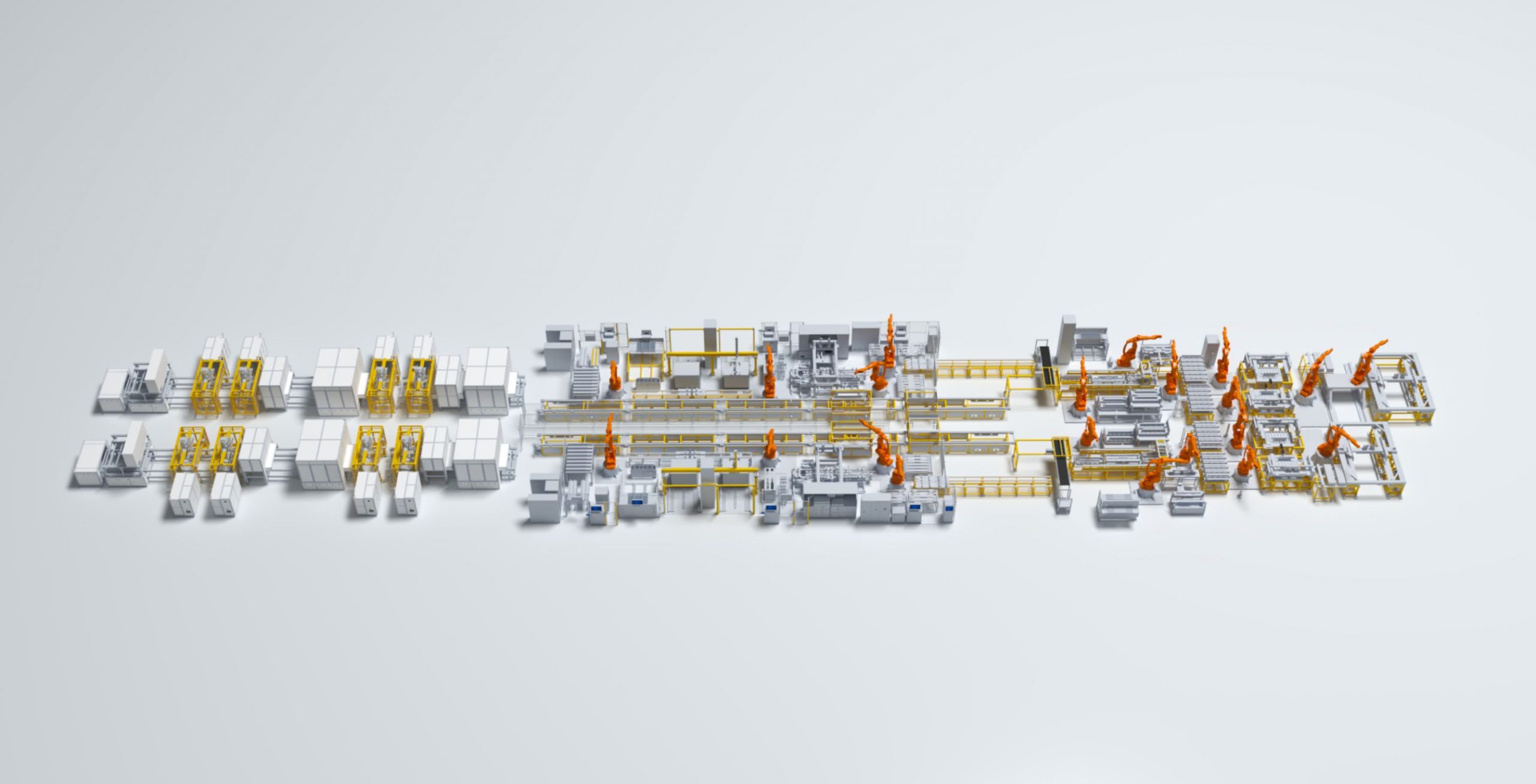
Buyers face a clear trade-off: higher throughput or lower upfront cost. A direct comparison helps. When you evaluate a blade battery assembly line, look at throughput (cells per hour), yield after end-of-line testing, and the degree of inline automation. These three metrics define operating rhythm and long-term cost per kWh more than glossy brochures do.

What truly matters — a short checklist
Compare these concrete items before you sign anything:• Throughput (cells/hour) and how it scales with shifts.• Inline testing coverage: electrical, visual, pressure/leak tests.• Automation level: pick-and-place, laser welding, conveyor control.• Cell compatibility: sizes, chemistries, and tolerances supported.• Floor footprint and service access points.• Spare parts availability and average repair times.• Software openness: data access, recipe control, and traceability.• Lead time, warranty scope, and training offerings.
Supplier types and clear trade-offs
Three supplier archetypes appear in comparisons. First, legacy OEM equipment houses: proven reliability, higher capital cost, long lead times. Second, specialist line manufacturers: modular lines, faster delivery, easier upgrades. Third, regional rapid suppliers: aggressive pricing and quick build-outs. If your priority is quick commissioning, factories clustered in the Shenzhen manufacturing hub often shorten delivery and spare-parts logistics, but weigh quality assurance protocols carefully. For a hands-on buyer, the specialist route usually gives the best balance of cost and upgrade path. This is where detailed side-by-side measurement beats marketing claims.
How to test supplier claims
Ask for reproducible demonstrations and sample reports. Request:• A live run with your cell type and a six-hour yield report.• Traceability log formats and a sample failure analysis.• MTTR (mean time to repair) data for key modules.• A training plan and an on-site acceptance test script.Bring specific pass/fail criteria. If a supplier avoids live runs, treat claims as unverified.
Common buyer mistakes and how to avoid them
Buyers often assume “standard” means compatible. It rarely does. Mistakes:• Buying on price alone — you’ll pay in downtime.• Skipping integration checks with your BMS and MES.• Ignoring spare-part logistics — lead time matters more than cost.• Neglecting operator training — poorly trained staff degrade yields.Avoid these by negotiating acceptance tests, spares contracts, and a three-month on-site support window.
Alternatives and fallback options
Consider three practical alternatives if a full new line is outside budget:• Upgrade existing stations with modular automation elements.• Lease a preconfigured line for pilot runs.• Use contract manufacturers with certified cells and reporting.Each option changes control levels and margins. If you move to contract manufacturing, insist on full traceability and retained rights to process data; otherwise you lose learning that improves your product.
Final synthesis
Clear comparisons win decisions. Match throughput, testing scope, and real spare-parts logistics to your production plan. Practical proofs — live runs, MTTR figures, and integration scripts — reveal which supplier will deliver consistent yield. That concrete evidence leads to reliable operations, the kind of practical assurance available through partners such as FHS.