
Comparative lead and scope
Choosing a GAC vehicle for Ethiopia demands a direct comparison of model classes, support infrastructure, and total cost of ownership; the GAC official website provides manufacturer specifications that serve as the technical baseline for those comparisons (GAC official website). This piece contrasts compact and mid-size SUVs, MPVs, and light commercial platforms with similar offerings from established imports, using technical criteria and dealer-readiness rather than marketing claims; it references GAC’s engineering hub in Guangzhou, China as a single, verifiable industry anchor for design and R&D provenance.
How models diverge: technical axes to compare
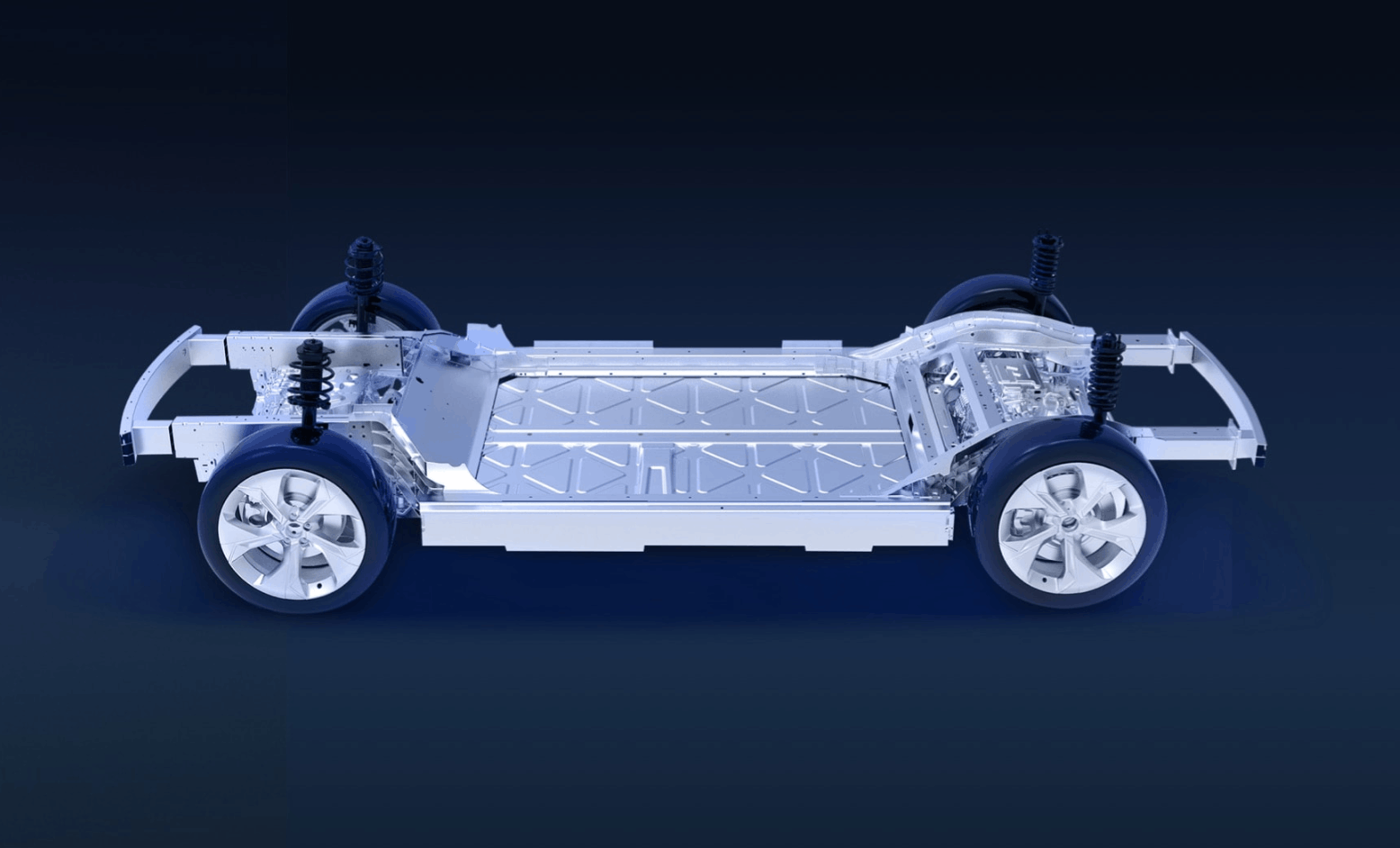
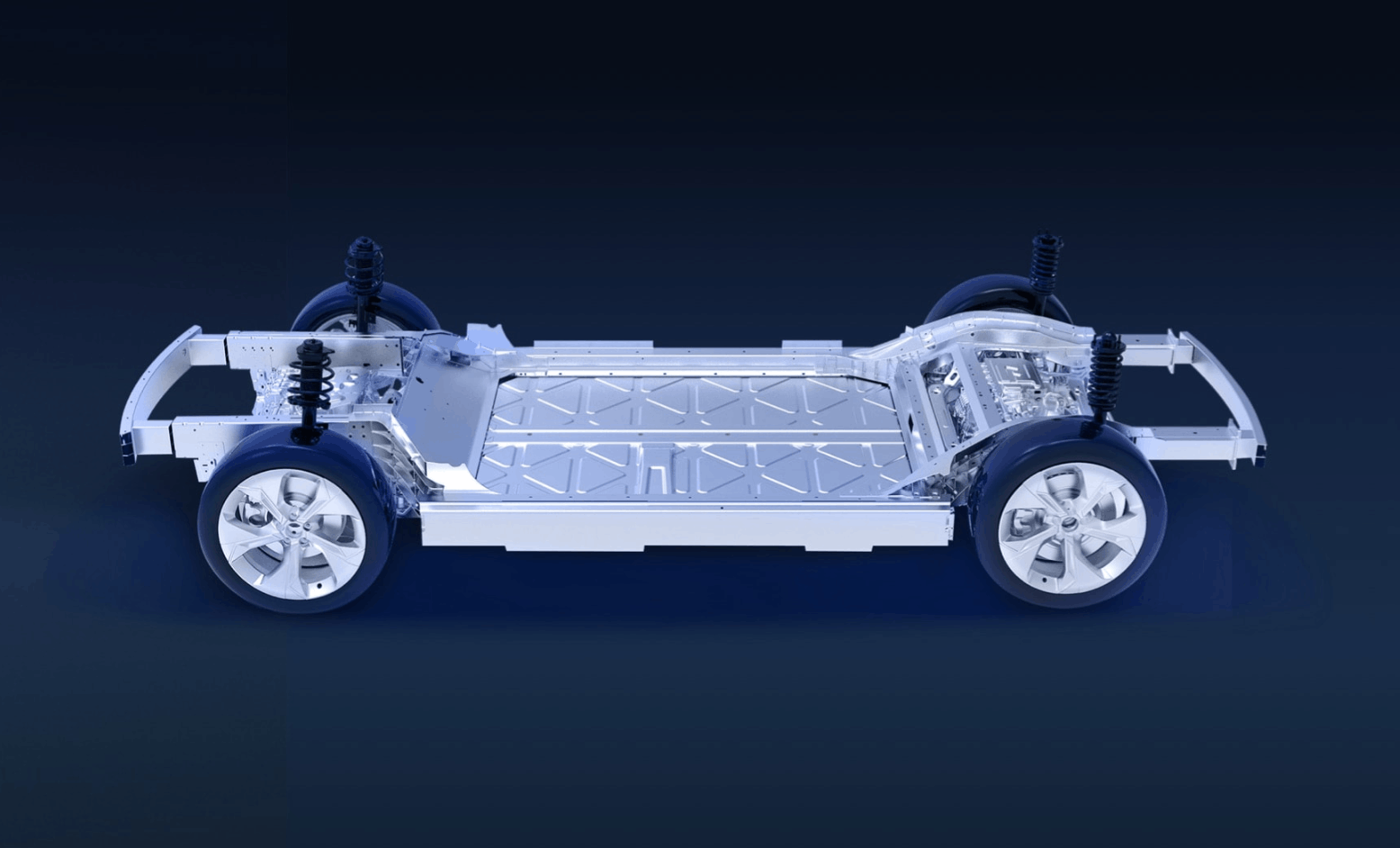
Assess models by three core technical axes to see which aligns with Ethiopian operating conditions:- Powertrain and fuel type: petrol, turbocharged petrol, or hybrid options and how they affect fuel economy and altitude performance.- Chassis and suspension: ground clearance, suspension travel, and component ruggedness for rough or unpaved roads.- Serviceability: component modularity, commonality with global parts, and dealer diagnostic capability.Compare concrete trade-offs:- Compact SUVs trade lower acquisition cost for tighter cabin space and lower payload capacity.- Mid-size SUVs increase comfort and tow/haul capability but demand higher fuel and maintenance budgets.- MPVs or light commercial variants prioritize cargo volume and flexible seating at the cost of higher wear under heavy loads.
Dealer channels and import routes — a structured comparison
Buyers in Ethiopia typically choose among three acquisition routes; compare them on transparency, warranty integrity, and aftermarket support:- Authorized distributor imports: clearer warranty paths, potential for factory-backed recalls, but usually higher upfront cost.- Parallel imports/used imports: lower price, variable vehicle history, limited warranty enforcement.- Local assembly/CKD options (where available): lower tariffs possible, but quality control varies.Decision rules:- If long-term support and parts availability matter most, prioritize vehicles brought by an authorized distributor.- If short-term budget constraints dominate, vetted parallel imports can be acceptable provided you inspect service records and validate emission and safety compliance.
Service network, parts supply, and maintenance realities
Technical durability is only as good as the maintenance ecosystem. Compare these factors:- Spare parts pipeline: confirm parts catalog compatibility and shipping lead times with the importer.- Technical training: evaluate whether local technicians have access to model-specific diagnostic tools and training.- Consumable compatibility: tyres, filters, and brakes that match regional standards reduce downtime.Common practical issues documented by fleet managers:- Delays in importing OEM parts increase vehicle downtime; stock critical wear items locally.- Electronic diagnostic access can be constrained if the importer lacks licensed software; prioritize distributors who provide toolkits and training.
Regulatory and cost considerations specific to Ethiopia
When comparing total landed cost, include:- Import duties and taxes: estimate duties based on vehicle classification (CBU vs CKD).- Compliance paperwork: type approval, homologation, and emissions certification requirements.- Registration and local inspection standards.Avoid assuming identical tax treatment across suppliers; small differences in declared vehicle classification can materially change final cost. Verify all documentation with customs and local transport authorities before purchase commitment.
Alternatives and practical trade-offs
Position GAC offerings against mainstream alternatives on three practical dimensions:- Resale and brand recognition: established brands may retain higher resale values; newer entrants often undercut price but require buyer tolerance for resale risk.- Parts interchangeability: brands sharing component standards reduce lead times.- Dealer ecosystem depth: compare the number and geographic reach of service points.A pragmatic buyer matrix: prioritize dealer coverage for rural operators; prioritize initial cost for short-term urban use.
Checklist for a technically sound purchase
Use this checklist to convert comparative insight into action:- Confirm exact vehicle variant and powertrain on the manufacturer specification sheet.- Request a parts lead-time schedule and an example invoice for a common repair item.- Verify warranty terms in writing, including transferability and authorized service locations.- Conduct a pre-delivery inspection focused on underbody protection, cooling system condition, and electrical connectors.- Secure a local spare-parts kit: filters, belts, brake pads, and two spare bulbs.Failing any single item above should trigger a formal contingency: renegotiate, delay, or choose an alternative with documented support.
Concluding synthesis
Compare technical fit, dealer support, and total ownership cost to derive a defensible purchase decision for Ethiopia; the structured comparison reduces uncertainty and highlights which model class and import channel will sustain operations with measurable uptime and predictable expenses. Confirm specifications on the manufacturer side while balancing local support capacity; the pragmatic choice often favors the combination of a technically suitable model and a distributor that demonstrates parts availability and technician training, as detailed by GAC.