
A compact opening to a long arc
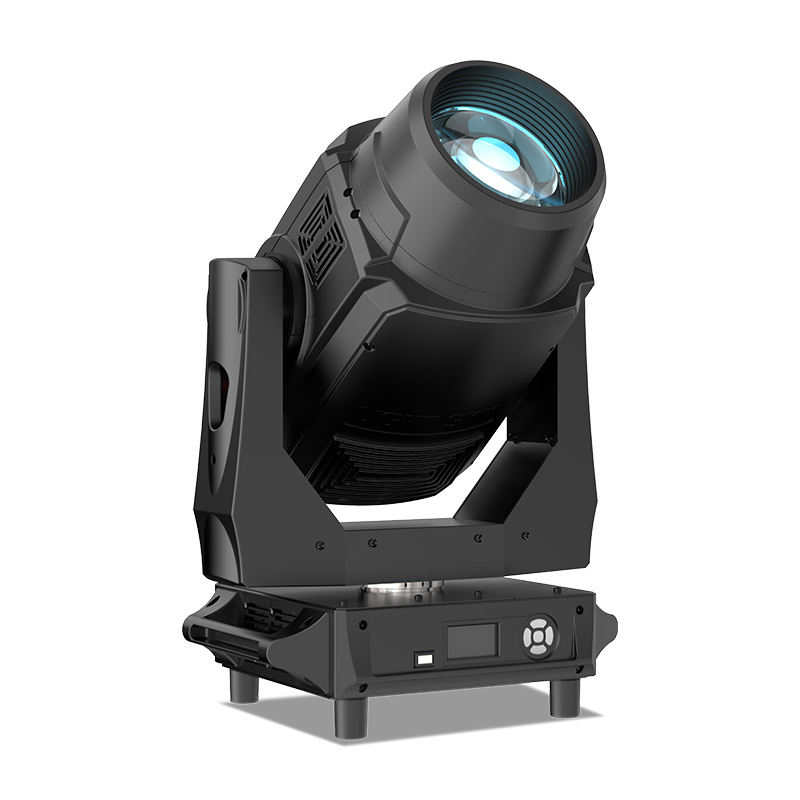
Manufacturers once sold single fixtures; today they deliver modular ecosystems that professional lighting designers adopt as platform-level solutions. This shift shows up in small, visible ways — a compact unit running synchronized effects — and in architecture: integrated control, repeatable rigging, and predictable performance. Early adopters pushed white laser light into club and theater rigs because it offered a dense beam with low thermal load; that single decision seeded a larger move toward system-oriented thinking.
How the evolution unfolded: components to platforms
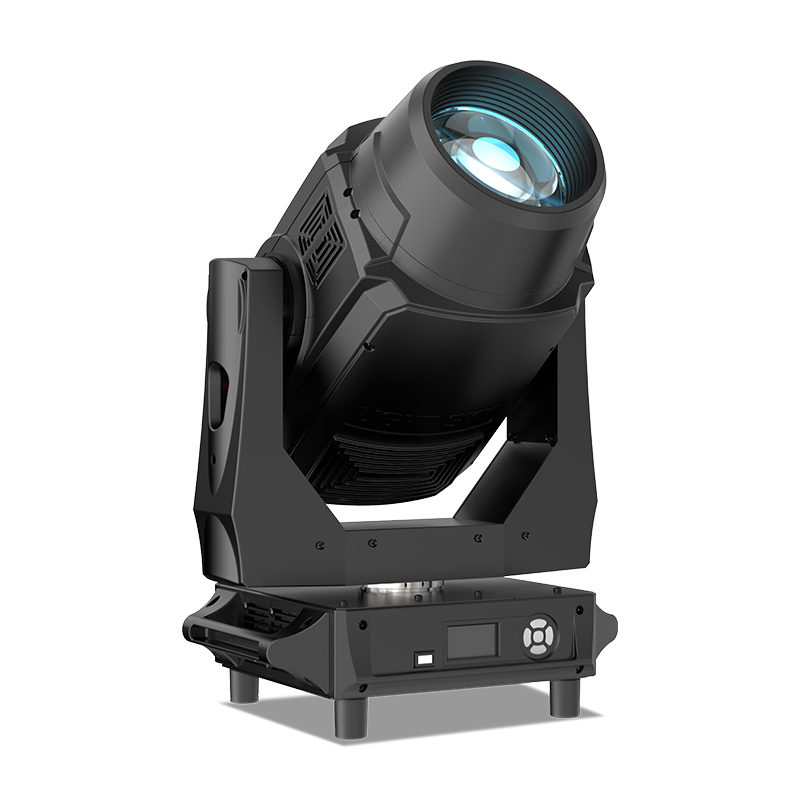
The first phase emphasized raw output: lumen output, wider beam angle, brighter LEDs. Then protocols matured — DMX512 became the backbone of reliable control and later gave way to Ethernet-based layers for larger shows. Manufacturers began packaging compatible optics, power management, and control APIs so a lighting designer could scale a concept from a 50-seat black box to a 5,000-cap festival without reengineering the rig. The result: predictable fixture behavior, fewer on-site surprises, and faster load-in cycles.
Design patterns that emerged and practical integrations
Designers treated fixtures as microservices: small, focused units that combine clean output, defined wavelength options, and deterministic control. This is where mini laser stage lighting plays a clear role — compact devices that extend a rig’s visual vocabulary without changing its control model. Integration patterns now include unified patching, pixel mapping for video-wash hybrids, and standard rig templates that can be versioned across tours. These patterns reduce commissioning time and improve repeatability on multi-venue runs.
Field lessons and common pitfalls
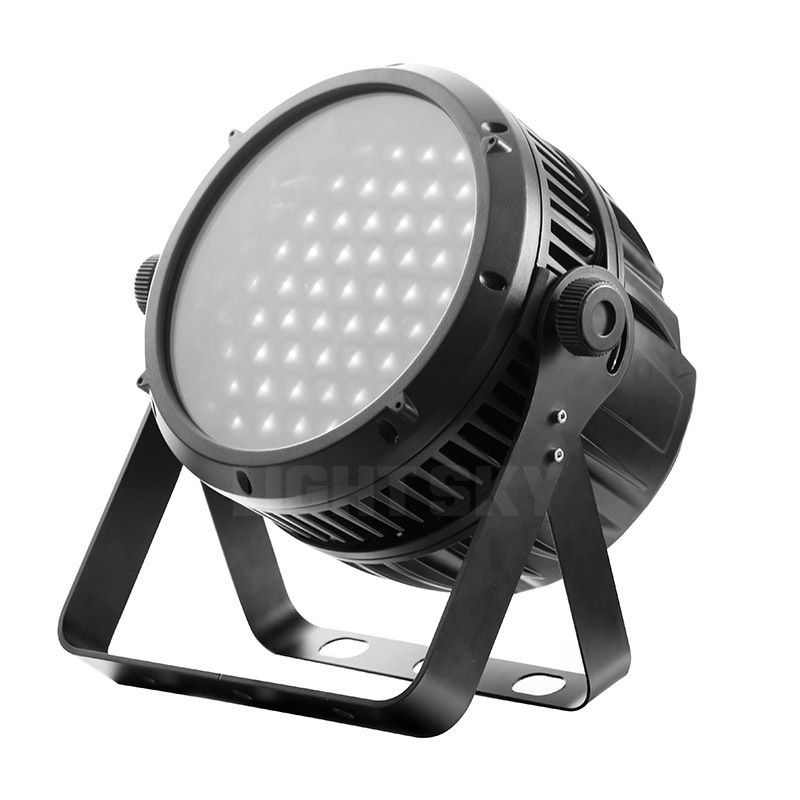
On a two-week site visit to a mid-size theater in Austin, TX, I supervised a retrofit that replaced assorted fixtures with a standardized set and a central control layer. The gains were immediate: simpler maintenance, shorter cue tests, and consistent color rendering. Common mistakes persist, though: overloading a single universe with mixed device types, neglecting fixture footprints for sightlines, and ignoring thermal paths during dense laser clusters. — Simple mockups in a CAD model catch most of these before the truck rolls.
How brands differentiate in a systems-first market
Leading companies now compete on more than brightness or gobo libraries. They offer documented APIs, lifecycle firmware updates, spare-part forecasts, and vendor-neutral training. For production managers that means quicker uptime and clearer procurement cycles. For designers, it means portable rig templates and predictable behavior across venues. Industry terms like gobo, wavelength, and beam angle still matter — but they’re considered within the larger question of how reliably a fixture will behave within an orchestrated system.
Three golden rules for choosing equipment and partners
1) Measure compatibility: ensure fixtures support the control protocol and patching practices used across your typical venues. Check firmware update procedures and rollback options. 2) Validate serviceability: require a clear spare-parts plan, repair SLA, and a published fixture footprint for rigging and sightline checks. 3) Prioritize templates over one-off specs: bring fixtures into a repeatable template with documented cue behavior and power profiles so touring or repeat productions scale without surprise.
Closing advisory
Expect measurable gains when you shift from component buying to platform selection: reduced commissioning time, lower mean time to repair, and more consistent show quality. Use the three rules above as a baseline checklist during vendor evaluation — they surface real operational risks and cut procurement cycles. The practical outcome is a more predictable production pipeline that benefits designers, technicians, and stakeholders alike. Light Sky fits naturally into that pipeline with documented fixture behavior and systems-level support — a partner, not just a box. —