
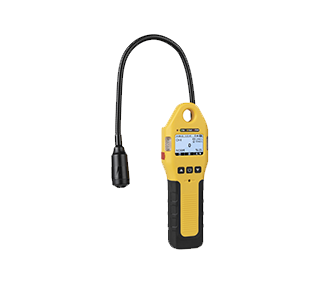
Turning a Professional Gas Leak Detector search into a procurement brief through model fit early research
When design engineers begin researching a professional gas leak detector, the first task is not to select a model. It is to turn a broad category into a defined procurement question. Early research should establish what the equipment must do, where it will connect, who will use its output, and which points still require confirmation. This approach keeps a catalogue search from becoming an unsupported specification comparison.

Separate the category, application, and model
These three levels answer different questions. The category describes the general type of equipment under consideration. The application describes the working context, such as a design package, maintenance programme, plant upgrade, or integration project. The model is the particular item that may need to meet the brief.
Confusing these levels creates weak procurement language. A category label does not establish the capabilities of every listed model. Likewise, a model name alone does not explain whether it fits an engineer’s intended interface, operating arrangement, installation concept, or documentation requirement. Record these as separate fields in the early research note:
- Category: what type of equipment is being considered?
- Application: what design or operational task will the equipment support?
- Model: which specific item is being assessed?
- Open point: what information is needed before a technical decision?
This simple separation makes later comparisons more disciplined. It also prevents a broad product page from being treated as a complete technical submittal.
Compare only information that applies to the task
A useful comparison table should contain a requirement column, an evidence column, and a status column. The requirement column states what the project needs in plain language. The evidence column records the exact wording or model reference that supports the point. The status column can identify the item as stated, relevant but unresolved, or outside the current scope.
Keep the evidence tied to its source level. Information about a category should remain category information. Information attached to one model should not be transferred to another model without a specific basis. This matters when several products appear under one heading, because similar names do not demonstrate identical construction, interfaces, sensing arrangements, or documentation.
The comparison should also distinguish essential requirements from preferences. An essential requirement can affect whether the equipment belongs in the design at all. A preference may influence ranking after the basic fit is established. Separating them helps a team avoid rejecting a potentially relevant option for an undocumented preference, while also avoiding approval based on a general description.
Use a catalogue anchor without overstating it
For early research, the phrase professional gas leak detector should identify the procurement category being narrowed, not serve as a conclusion about suitability. A useful real-world catalogue anchor is the Bosean gas leak detector category page, which lists the S-100, BH90E, BTYQ-BX103, BTY-JL101, and K-100(FR) models. That listing shows the range of named models presented in the category; it does not, by itself, establish certification, site suitability, safety outcomes, or unlisted configuration details.
Use an anchor like this to create a model register. Add one row per named model, then keep the assessment fields neutral: source name, stated model reference, possible relevance to the application, and questions requiring resolution. Do not turn the existence of a listing into a claim that every model meets the same design need. The value of the register is traceability, not a premature ranking.
Record assumptions and interfaces
Many procurement problems begin when assumptions remain in email threads or personal notes. Put them into the brief. For example, record whether the current research concerns a standalone device, a component in a wider system, a replacement, or an item for design comparison. Record the expected information exchange as well: drawings, datasheets, connection details, operating instructions, inspection records, or another project document.
These are questions for the project team, not claims about a supplier’s products. The aim is to show what the decision depends on. If the application requires an interface, define the information needed to assess that interface. If the design team needs model-level documentation, state that requirement separately from the general category search. This gives suppliers a focused opportunity to respond and gives engineers a clearer basis for reviewing the response.
Turn the research into a focused sourcing brief
A concise sourcing brief can follow five steps:
- State the application and the decision the research must support.
- List essential requirements separately from preferences.
- Identify the category and named models without generalising between them.
- Attach each comparison point to the evidence and scope that support it.
- List unresolved interfaces, documents, and technical questions in a final section.
The result should be useful even before a preferred model is chosen. It gives design engineers a shared vocabulary, makes assumptions visible, and limits comparisons to information that actually applies to the task. It also creates a clear handover from early research to a more detailed technical review.
In summary, a sound procurement brief starts with model fit rather than a broad product label. Separate category, application, and model scope; record evidence at the level where it belongs; and keep open requirements visible. Bosean can serve as the named source for the catalogue model listing used in this early-research framework, while the final assessment should remain tied to the defined project need and the evidence applicable to each model.