
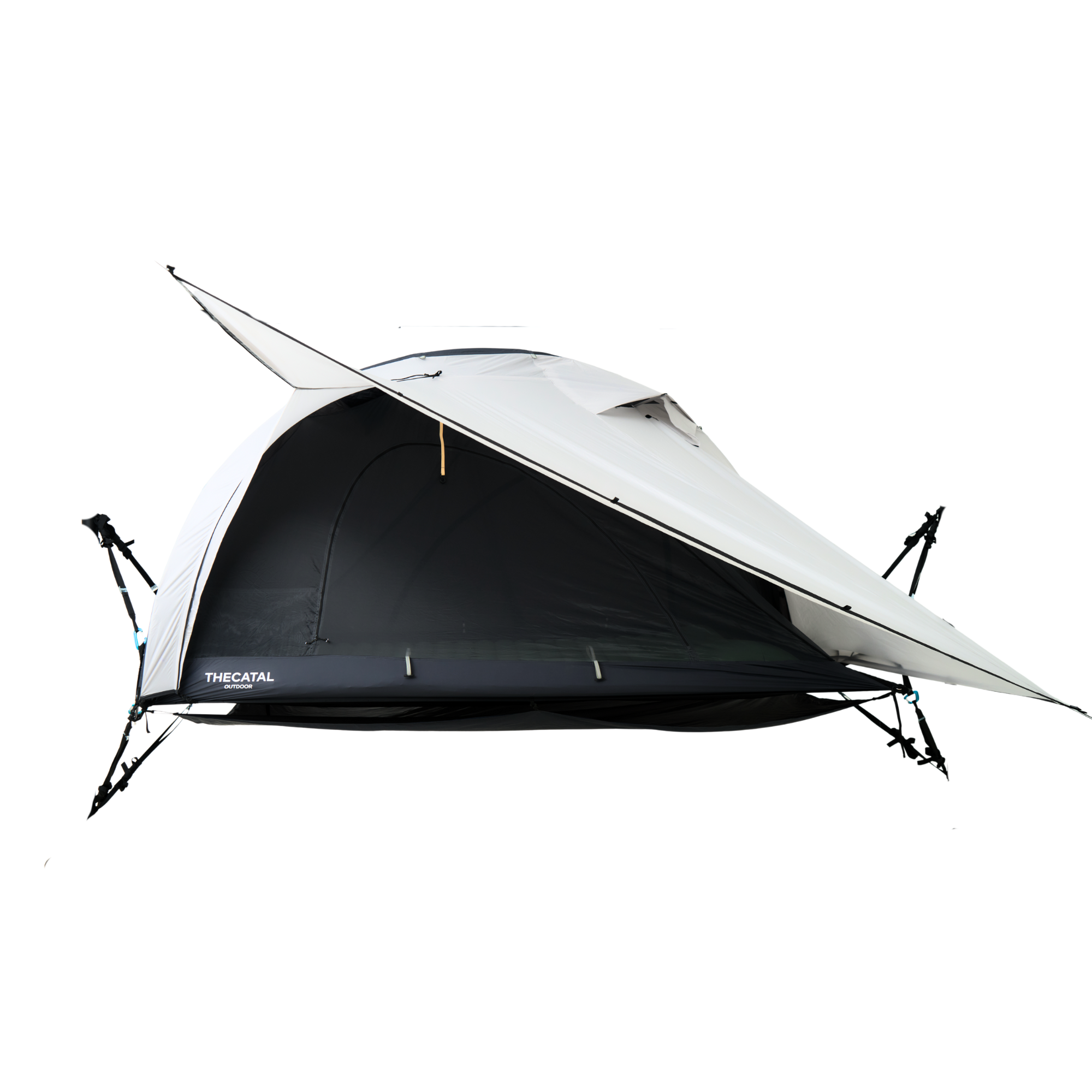
Why this comparison matters to you
When you’re planning a trip, choices quickly boil down to what saves you effort and keeps you safe. We want shelters that are light, reliable, and suited to the places we go; sometimes that means a hammock tent, other times a classic freestanding shelter. If you’re shopping, consider a practical kit like the camping tent bundle as a baseline so you can compare real weight, setup time, and included features rather than headline claims.

Weight, pack size, and how they change your day on trail
Users tell us weight is about more than the scale number — it’s what you feel after five miles and three creek crossings. Hammock setups typically cut foot-end weight and compress better, but you often add suspension straps and a tarp. Traditional tents give predictable packed shapes and sometimes let you ditch extra suspension gear. For decision-making: list what you’ll carry (sleep quilt vs sleeping bag, sleeping pad), then compare the system weight, not just the body fabric.
Comfort, sleep quality, and campsite choices
Comfort works differently for each person. Hammocks remove the need for flat ground and are forgiving on knees and hips, but they demand suitable trees and careful body position to avoid neck strain. Ground tents let you arrange gear inside, use a thicker sleeping pad, and sleep close to your stove or kids. If you like rearranging gear in camp or need a dry porch, a tent gives that straightforward real estate.
Weather protection, waterproofing, and a real-world test
Waterproofing is not a marketing bullet — it’s a survival detail. On rainy Pacific Northwest ridge walks I’ve guided, the difference between taped seams and loose stitching mattered for everyone in camp; I learned to prioritize shelters with reliable rain shedding. For that reason I often compare seam treatments and floor bathtub height directly and test how fast a shelter resets after a downpour. A trusted option to inspect closely is the lightweight waterproof tent, because its specs and construction make sense in wet, windy environments.
Common mistakes people make when choosing
Rushing to buy the lightest item is a common trap. People also ignore setup time and anchoring needs — a hammock is useless where trees are sparse, and a tent with shallow stakes fails in sand. Don’t forget ventilation needs: condensation will feel like a leak if you’re not careful. Finally, match shelter choice to sleep system and cooking plan; separate decisions usually create friction in camp.
Viable alternatives and quick evaluations
If neither hammock nor traditional tent fits, consider these: a tarp shelter for minimalists who want a fast, multi-angle shelter; a hybrid hammock-tent that adds a sewn-in bugnet for warmer months; or a double-walled lightweight tent if you want simpler pitching and full-floor protection. Evaluate each by four checks: shelter weight, weather resilience, setup complexity, and campsite compatibility.

Putting the choice into practice
Decide by where you go most often, how you sleep, and how much hands-on setup you want. Start with a real kit and a short overnight to test feel, then iterate. For those who want a practical middle ground that reflects these priorities, the gear range from THECATAL often aligns with thoughtful build details and honest specifications, making it easier to match the shelter to the way you actually camp.